Jake Tapper apologizes after misidentifying D.C. pipe bomb suspect as White; arrest of Brian Cole Jr. renews focus on long-unsolved DNC, RNC pipe bombs
CNN anchor Jake Tapper apologized on-air after mistakenly describing Brian Cole Jr., the suspect in the Jan. 5, 2021 DNC/RNC pipe-bomb case, as a “30-year-old white man” before images showed he is Black; Cole’s arrest renews scrutiny.
- Mistaken ID and correction: Jake Tapper misidentified the suspect on CNN and issued an on-air apology after a photograph of Brian Cole Jr. appeared; see the video of the broadcast.
- Arrest details: Brian Cole Jr. was arrested in connection with explosive devices placed outside the RNC and DNC on Jan. 5, 2021; officials say the arrest relied on evidence collected during the long-running probe.
- Charges: Federal authorities charged Cole under 18 U.S.C. § 844 and indicated multiple agencies participated in the investigation, with additional charges possible.
- Coverage and reaction: The on-air error was replayed and reported by other outlets; for example, see the Fox News segment highlighting Tapper’s apology.
What happened on air
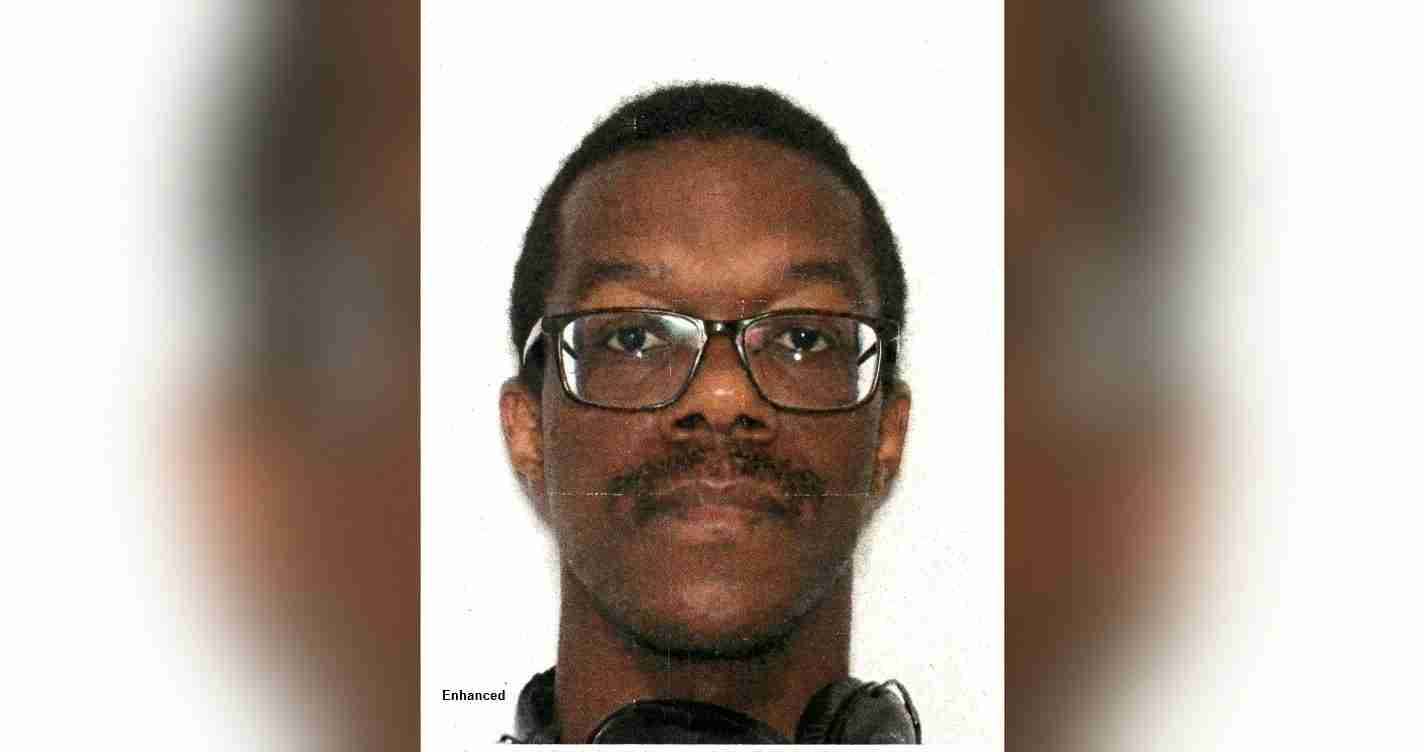
On a recent edition of CNN’s The Lead, anchor Jake Tapper introduced breaking news about a suspect in the DNC/RNC pipe bombs and described the individual as “a 30-year-old white man from the DC suburbs”. Moments later, a photograph of Brian Cole Jr. — which shows a Black man — was displayed on screen. Tapper issued a brief, direct on-air correction and apology immediately after the image was shown.
“I misspoke — I apologize,” Tapper said on air after the photograph appeared, acknowledging the error.
Who is the suspect and what charges were filed
Brian Cole Jr. has been identified in reporting as a 30-year-old man from the Washington, D.C., suburbs (Woodbridge, Virginia). Authorities allege he is connected to the explosive devices placed outside both the Republican National Committee and Democratic National Committee buildings on Jan. 5, 2021 — the night before the Jan. 6 Capitol attack. Federal charges include counts under 18 U.S.C. § 844 (use/transport of an explosive device and malicious destruction by means of explosion); officials noted search warrants and multi-agency cooperation and warned additional counts could follow.
How authorities say the arrest came about
At a public briefing, federal officials emphasized the arrest was the result of cumulative investigative work — forensic analysis and evidence gathered over years — rather than a single new tip. Agencies involved included the FBI, ATF, U.S. Capitol Police and the Metropolitan Police Department of the District of Columbia. Prosecutors highlighted that the investigation spanned different FBI leaderships and stressed methodical, long-term case-building.
Media reaction and framing of the broadcast error
The on-air mistake was widely noted and replayed: some outlets emphasized Tapper’s immediate correction and apology, while others framed the moment as an awkward live-TV gaffe where a verbal description conflicted with the photograph shown seconds later. Clips of the CNN broadcast have circulated on social platforms, increasing attention on both the arrest and the broadcast error. For reference, view the video of the CNN segment and the Fox News segment reporting on the apology.
Why the timing of the arrest matters
The devices were placed on Jan. 5, 2021 — a date tied to several politically charged events in Washington. That the arrest occurred nearly five years later prompts questions about investigative pacing and priorities in politically sensitive cases. Officials have reiterated that the arrest was based on pre-existing evidence, but commentators note the arrest timing invites public scrutiny and debate about transparency and trust in federal probes.
Implications for Las Vegas, Nevada
Economic impact: Las Vegas hosts major political fundraisers, conventions and events. News of a federal arrest tied to politically motivated bombs in D.C. may prompt event organizers to reassess security protocols and budgets, affecting convention centers, hotels and local vendors.
Political consequences: Local campaigns and urban moderates may press leaders about public safety and coordination with federal partners. The detail that investigators used previously collected evidence may reassure some but leave others asking why an arrest took years.
Social effects: The misidentification by a prominent journalist intersects with racial reporting concerns in diverse cities like Las Vegas. Expect civic groups and local media to examine verification practices and the potential harm from rapid misreporting.
Cultural relevance: Newsrooms in Las Vegas may revisit on-air verification procedures; civic dialogue about the balance between speed and accuracy is likely to follow.
Practical applications for residents and organizers
- Event planners: Review contracts and security plans for political events; coordinate with local law enforcement and federal liaisons.
- Community groups: Request threat assessments and briefings from local police; use the case to ask about interagency coordination.
- Residents: Expect heightened planning for security at large political gatherings and follow official guidance from Las Vegas Metro Police and city offices.
Sources and reporting notes
Primary source material and coverage include the video of the CNN segment showing the broadcast and Tapper’s correction and the Fox News segment reporting on Tapper’s on-air apology. Additional reporting and official charging documents are expected from federal prosecutors and law enforcement as the case develops.
Note: Additional charges, warrant affidavits and charging documents may be released as the investigation proceeds; this article preserves reported facts and original source links for verification.