Hamas hands over partial remains that are not hostages, Israel says; remains tied to October 7 soldiers
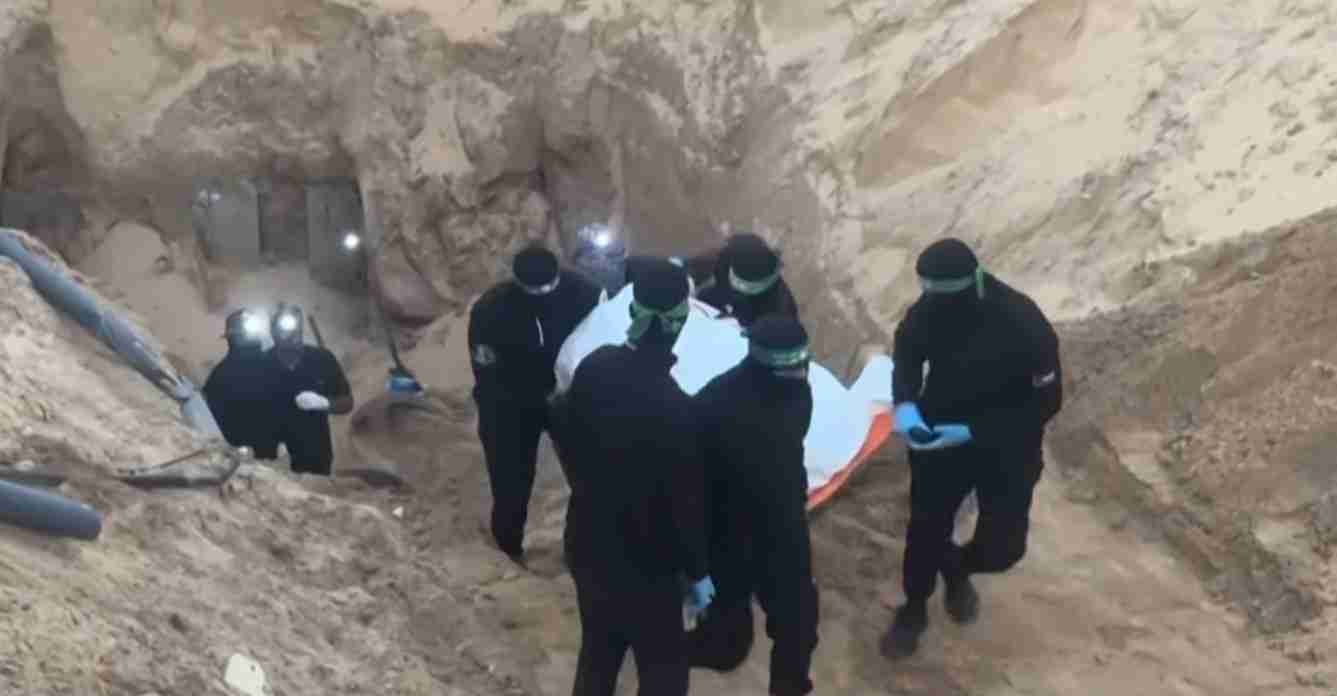
Hamas handed over partial human remains to Israeli authorities on Friday, but Israeli officials said Saturday the remains were not among the eight hostages still believed in Gaza and were identified as three soldiers from October 7.
- Partial remains returned: Hamas turned over three sets of partial human remains Friday night; Israeli officials said none matched the eight hostages still unaccounted for (ABC7 Chicago).
- Identified as October 7 soldiers: Israeli authorities said the remains were identified as soldiers killed during the October 7 attack (ABC7 Chicago).
- Exchange and accounting: Since the ceasefire militants have returned the remains of about 20 hostages while eight Israeli hostages remain missing (ABC7 Chicago; Wikipedia).
- Forensic limits: Forensic work in Gaza is hampered by shortages of DNA kits and lab tools, slowing identification and adding to families’ anguish (ABC7 Chicago).
What was handed over and how officials identified it
On Friday night, Hamas delivered three sets of partial human remains to Israeli authorities as part of ongoing post-ceasefire returns. Israeli officials announced Saturday that the remains did not match any of the eight hostages still believed to be in Gaza and were instead identified as soldiers who died in the October 7 assault (ABC7 Chicago).
How identification was described: Israeli authorities said routine military and medical checks were used to compare the remains with records from October 7. No detailed public forensic report was immediately released, and officials framed the matches as part of standard verification procedures.
“Families seeking answers were met with renewed grief,” officials noted, as the handover clarified the remains’ identity but not the fate of the remaining hostages.
Why this matters: hostages, remains and the October 7 attack victims
The October 7 attack remains a national trauma for Israel: militants killed soldiers and civilians and abducted many people who were later held in Gaza. The identification of the returned remains as October 7 soldiers means families waiting for news of living hostages received sorrow rather than closure (ABC7 Chicago; Wikipedia).
How the exchange process works
Since the ceasefire, a negotiated pattern has emerged: militants in Gaza hand over bodies or remains in staged returns while Israel releases bodies of Palestinian militants from its custody. ABC7 Chicago reports Israel has released roughly 270 Palestinian bodies since the ceasefire as part of these swaps, a process that many families call a painful compromise (ABC7 Chicago).
Forensic hurdles and the search for clarity
Forensic teams in Gaza face severe limits: shortages of DNA testing kits, limited lab capacity, and equipment gaps slow identification. These limitations increase the risk of mistakes or delays and deepen the emotional toll on relatives awaiting confirmation (ABC7 Chicago).
Political fallout and public pressure inside Israel
The pace and selectivity of returns have sparked public anger and intense political debate. Families of hostages have staged protests and encampments outside government buildings, pressing for faster, clearer action. Opposition figures and lawmakers have criticized government negotiations and the terms of prisoner swaps, and the returned remains being soldiers rather than hostages will likely intensify calls for answers (ABC7 Chicago).
Human cost and the families waiting for answers
Beyond politics, the central story is the human cost: families still hoping for living loved ones face renewed grief. The slow, painstaking process of identifying remains and confirming identities is emotionally wrenching, and humanitarian groups continue to press for transparency and speed in returns.
What international mediators say and their role
International mediators, notably the United States and Egypt, remain involved in ceasefire and hostage-return negotiations. The partial returns are seen as elements of broader diplomatic efforts, though their pace and selectivity draw criticism from Israel and hostage families alike (ABC7 Chicago; Wikipedia).
Implications for Las Vegas, Nevada
Economic impact
- Travel and tourism: Global headlines about the conflict can affect travel sentiment and tourism to Las Vegas; changes in oil prices or geopolitical risk could alter fares and visitor patterns.
- Business ties and donations: Local charities and companies may increase fundraising or adjust supply-chain monitoring as the crisis evolves.
Political consequences
- Local politics: Elected officials may face pressure to take positions on humanitarian aid, refugee support, or city-level responses.
- Community relations: News can heighten tensions in interfaith and immigrant communities; leaders may convene dialogues to maintain calm.
Social effects
- Mental health: Families with relatives abroad may experience anxiety, increasing demand for counseling and support.
- Public safety: Protests, vigils, or public gatherings may require coordination between community groups and authorities.
Cultural relevance
Coverage focusing on human stories — the victims of October 7, hostage families, and identification challenges — resonates with local values of empathy. Religious leaders may guide congregations on mourning practices and offer community support.
Practical applications for residents
- Donate carefully: Residents should check vetted charities before giving to humanitarian relief or refugee support.
- Engage locally: Attend forums, vigils, or community meetings to stay informed and support calm, fact-based discussion.
Sources for reporting and further reading
ABC7 Chicago reporting on the recent handover and identification