Colorado jury awards $205 million to family of 6-year-old who fell from Haunted Mine Drop ride
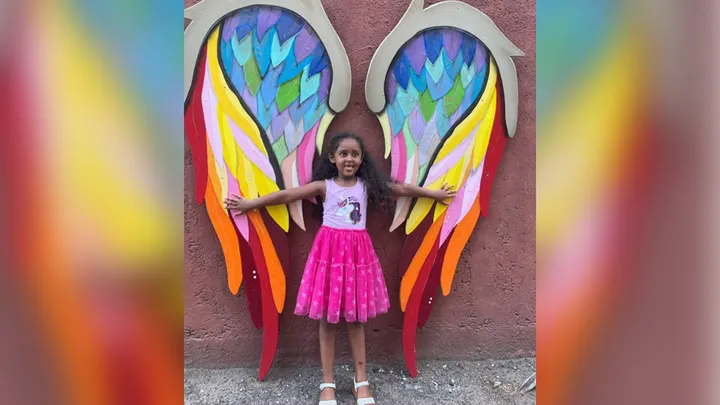
A Garfield County jury awarded $205 million to the family of 6-year-old Wongel Estifanos, who died Sept. 5, 2021, after falling from the Haunted Mine Drop at Glenwood Caverns Adventure Park when she was not properly restrained and a seatbelt error was overridden.
Key takeaways
- Verdict: A jury awarded $205 million, finding Glenwood Caverns Holdings, LLC and ride maker Soaring Eagle, Inc. liable.
- Cause: Investigators found Wongel was not properly secured; operators overrode a seatbelt error and the child fell over 100 feet.
- Manufacturer claims: Jurors heard evidence alleging a defective restraint design and prior seat-ejection incidents tied to the same system.
- Broader impact: The ruling raises safety, regulatory and economic questions for parks, manufacturers and insurers.
What happened on the Haunted Mine Drop
On Sept. 5, 2021, 6-year-old Wongel Estifanos boarded the Haunted Mine Drop at Glenwood Caverns Adventure Park. Court evidence showed she sat on top of a seatbelt that remained buckled from the prior ride cycle instead of having the belt threaded through and latched around her. Two ride operators did not identify the incorrect restraint configuration before dispatch. The ride’s software registered a seatbelt error; operators overrode that warning and started the cycle anyway. Wongel fell more than 100 feet and died at the scene. (Sources: Denver7; CBS News.)
The trial and the $205 million verdict
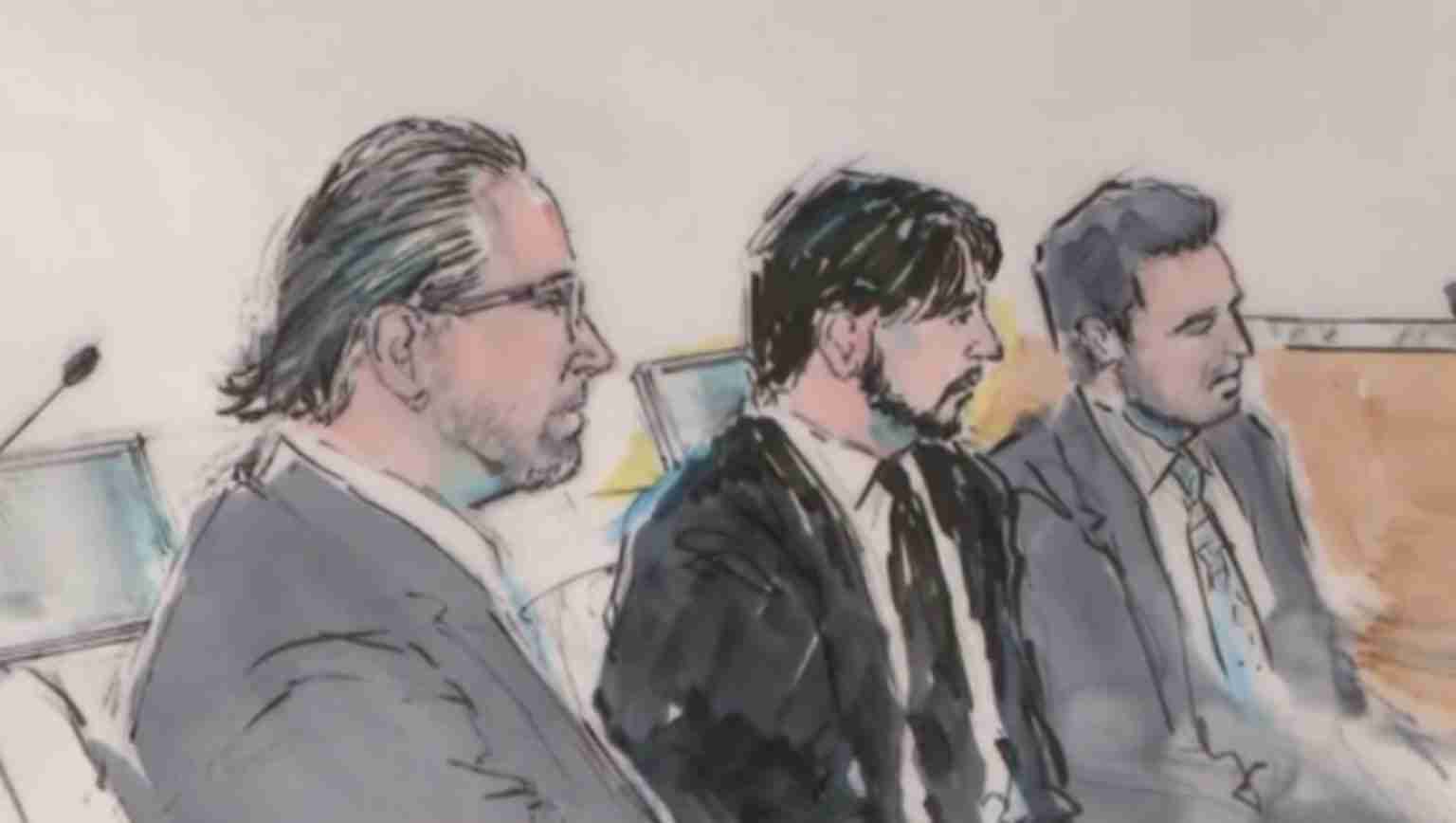
The Estifanos family filed a wrongful-death suit in October 2021. The civil trial ran through September 2025 and ended with a Garfield County jury awarding $205 million. Jurors found both Glenwood Caverns Holdings, LLC—for operator training failures—and Soaring Eagle, Inc.—the ride manufacturer—responsible. The award ranks among the largest recent wrongful-death verdicts linked to an amusement ride. (Sources: Denver7; CBS News.)
Manufacturing claims: what jurors heard about Soaring Eagle
Attorneys for the Estifanos family presented evidence that Soaring Eagle designed a restraint system that allowed dangerous errors. The trial included claims that the manufacturer failed to perform adequate engineering and risk analysis and knew of at least two prior seat ejections tied to the same restraint design yet did not disclose the risk. That testimony contributed to the jury assigning significant blame to the manufacturer. (Source: Denver7.)
Theme park response and economic concerns
Glenwood Caverns expressed devastation and said it cooperated with investigators. The park says it offered all available insurance limits to the family before trial; that offer was declined. Park officials warned the verdict’s size could threaten the park’s financial viability and put hundreds of local jobs at risk. The park also stated it worked with independent engineers after the accident to redesign the restraint system. (Source: Denver7.)
Family reaction and safety message
The Estifanos family and their legal team framed the verdict as a call for change. Family attorney Dan Caplis said the decision would “save a lot of lives” by holding parties accountable and highlighting safety lapses across the amusement-ride industry. The family has sought reforms to prevent similar tragedies elsewhere. (Source: CBS News.)
No criminal charges reported
Reporter accounts and court records show the case proceeded as a civil wrongful-death suit. There have been no public reports that criminal charges were filed in connection with Wongel’s death; the verdict and damages were rendered in civil court. (Sources: Denver7; CBS News.)
Safety oversight and industry questions
The case intensifies scrutiny of ride safety regulation and enforcement. Amusement-ride standards often depend on state rules, manufacturer warnings, and operator training. Plaintiffs argued those layers failed here: a restraint design that allowed misuse, ride software that flagged a problem, and operators not trained to identify the specific error. Industry groups and manufacturers now face renewed pressure to review designs, disclosure practices, and training standards. (Sources: Denver7; CBS News.)
Video evidence and reporting
Video shown during trial and released by media documented the timeline and emergency response. Footage and testimony illustrated how a seatbelt that appeared latched from a prior cycle left a child unsecured, and why jurors found both operator error and a flawed design culpable. Public video coverage helped the jury and the public understand the mechanics of the failure. (Sources and example video coverage: Denver7; CBS News; YouTube; YouTube.)
Legal and regulatory ripple effects
The award’s size could shape future civil suits against parks and manufacturers. Plaintiffs’ lawyers may cite the verdict when seeking damages in similar incidents. Regulators might face calls to tighten inspections, require fail-safe restraints, or mandate disclosure of prior safety incidents. Manufacturers could be pressured to disclose known failures and redesign systems that allow operator overrides when sensor alerts are active. (Sources: Denver7; CBS News.)
Implications for Las Vegas, Nevada
Economic and tourism concerns: Las Vegas venues and operators that source rides and attractions may see heightened scrutiny from buyers and insurers after a verdict this large. That could translate into higher insurance costs, stricter contract requirements, or more rigorous maintenance plans—potentially affecting ticket prices and operations. (Source: Denver7.)
Public safety expectations and labor: Local policymakers, property owners and guests may demand better training, clearer safety checks and fail-safe restraints. Liability-cost increases could lead some operators to scale back attractions or staffing, while creating demand for trained safety inspectors and certified ride technicians. Legal strategies and settlements in Nevada may also be influenced by this verdict. (Sources: Denver7; CBS News.)
Quote
“This verdict will save a lot of lives,” said family attorney Dan Caplis, underscoring the family’s message that the case is about safety reforms, not only damages.
Reporting and sources
This article draws on local and national reporting and publicly available video: Denver7; CBS News; and public video coverage on YouTube and YouTube.
What’s next
Further developments are expected as parties respond to the verdict and as regulators, manufacturers and parks consider steps to prevent similar tragedies at rides like the Haunted Mine Drop. Families, industry groups and policymakers will likely watch closely for regulatory proposals, design changes and shifts in insurance and contracting practices.