Dozens killed as Hamas clashes with armed clans in Gaza; Netanyahu calls imminent prisoner exchange “beginning of a new path”
Internal fighting between Hamas and armed clans in Gaza has killed dozens and wounded many, intensifying fragmentation amid ongoing hostage negotiations and Israeli strikes — a volatile shift that complicates humanitarian access and regional diplomacy.
Key takeaways
- Dozens killed and dozens wounded in heavy clashes between Hamas forces and organized local clans across Gaza.
- Friction stems from disputes over control, arrests and punishments, reflecting tensions between Hamas’s central authority and powerful family-based militias.
- Israeli Prime Minister Benjamin Netanyahu called an expected hostage release “the beginning of a new path,” tying negotiations to broader political shifts.
- The violence compounds fragmentation caused by renewed Israeli strikes and raises humanitarian and diplomatic complications.
What happened inside Gaza
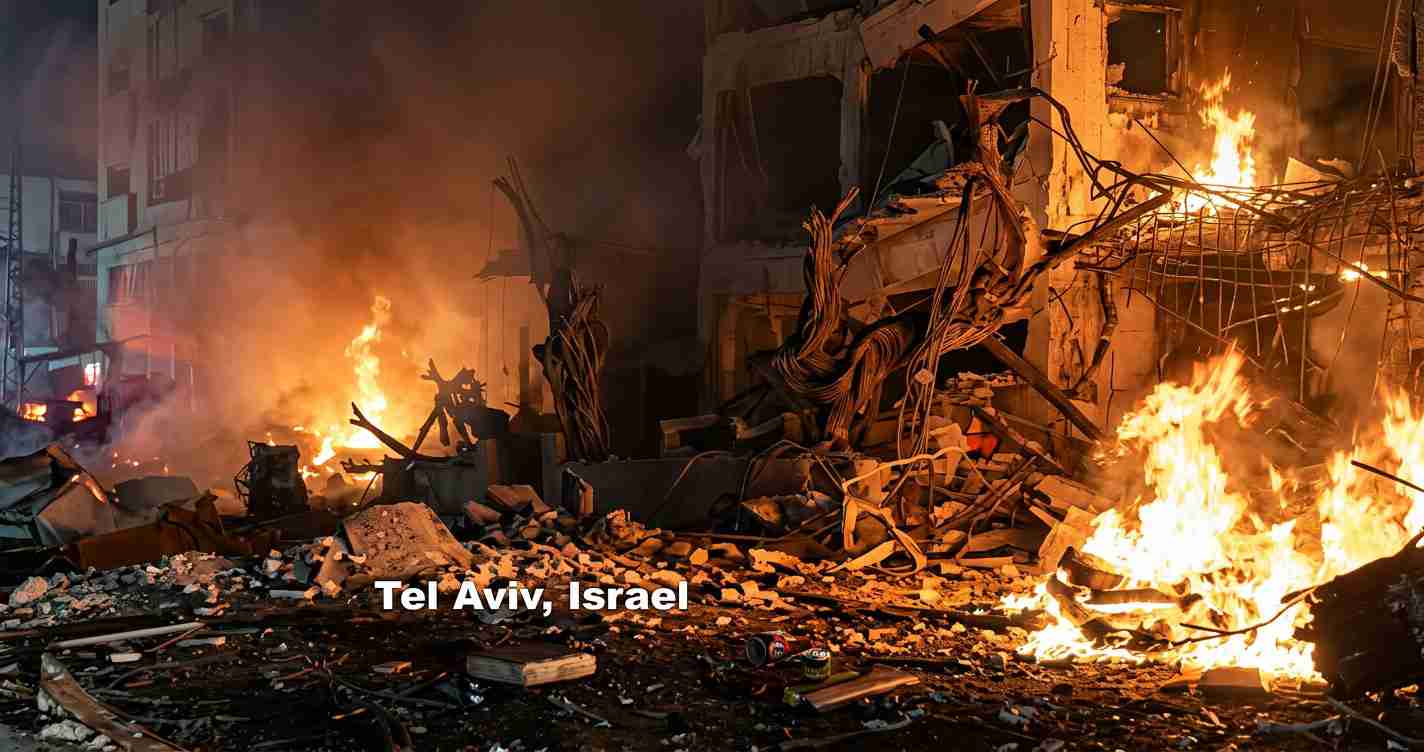
Reports indicate heavy fighting erupted between Hamas forces and local armed clans across parts of Gaza, leaving dozens dead and dozens more wounded, according to regional media and local sources. Eyewitnesses described neighborhoods with burning buildings, armed checkpoints and widespread fear.
These clans are often organized around extended families and maintain their own fighters and weapons. The clashes are reported to be linked to efforts by Hamas to assert control — including arrests and suspected executions — which have inflamed tensions with clan leaders.
Who are the armed clans and why are they clashing with Hamas?
Armed clans in Gaza derive influence from family networks and local power structures. They run neighborhood security, control local resources and sometimes operate parallel command arrangements. Their economic interests and social standing can rival formal governance.
Analysts and reporting from The Jerusalem Post note that Hamas has historically alternated between tolerance and suppression of clan power. The immediate causes cited include Hamas attempts to centralize authority, disputes over punishment of suspected collaborators, and local rivalries — all of which have fed recent confrontations.
Netanyahu’s comments and the hostage talks
In Israel, Prime Minister Benjamin Netanyahu described an expected prisoner exchange as “the beginning of a new path,” framing the move as a potential turning point for political and security dynamics. That comment was reported alongside coverage of the Gaza violence and hostage negotiations by outlets including AOL.
The hostage issue dates to the October 7, 2023 attack, when Hamas seized hundreds of people. Past exchanges and truces have produced releases in both directions but left many questions about long-term stability. Some analysts warn a prisoner swap could bolster Hamas’s political standing even as it faces internal challengers.
How this fits into the wider pattern of violence
The clan-versus-Hamas clashes occurred amid renewed large-scale Israeli strikes that resumed in March 2025, fragmenting security across Gaza. Surprise strikes on March 18, 2025 ended a ceasefire and resulted in significant casualties, further destabilizing civil order (Gaza war coverage).
Defense officials noted Hamas has reasserted organized military capabilities after periods of quiet, and that dynamic may have forced it into confrontation with local groups that grew stronger during lulls in centralized governance. The result is a multi-source violence environment — Israeli operations, Hamas actions and intra-Palestinian clashes — which increases civilian risk and complicates humanitarian access.
Human cost and civilian impact
Civilians have borne the immediate cost: dozens reported killed, many injured or displaced, and hospitals stretched thin. Medical staff face shortages due to repeated waves of violence and constrained supplies. Displacement inside densely populated areas increases shortages of shelter, water and medical care.
“Neighborhoods with burning buildings and armed checkpoints make it harder for families to flee safely,” according to eyewitness descriptions compiled by local media.
Political and security implications within Gaza
The clashes test Hamas’s claim to monopolize force. Responses could range from coercive crackdowns to negotiated arrangements with clan leaders — each carrying risks. Heavy-handed action could alienate key local networks; negotiated deals could be perceived as weakness and invite further challenges.
Either outcome could reshape governance in Gaza and affect how external mediators approach future ceasefires or negotiations.
Regional and diplomatic ripple effects
The violence complicates diplomatic efforts tied to hostage negotiations. A prisoner swap might be presented as a diplomatic win but could also politically empower Hamas, while clans may press for concessions. International mediators will need to account for a more complex web of actors inside Gaza when designing future deals.
For Israel, hostage releases may ease domestic pressure, but any perception that a deal strengthens Hamas could raise long-term security concerns in Jerusalem.
Sources and verification
This article draws on reporting compiled by Times Media Service and regional outlets. Coverage of intra-Gaza clan dynamics is reported by The Jerusalem Post. Reports on casualty figures and Netanyahu’s comment were referenced in wider news coverage including AOL. Background on the recent shifts in fighting and the March 18, 2025 strikes is summarized in public reference material on the Gaza war.
Where possible, claims were checked against multiple accounts. The situation remains fluid and casualty or control figures may change rapidly.
Implications for Las Vegas, Nevada
Economic impact: Las Vegas’s tourism-linked economy can be sensitive to global travel sentiment. Extended instability may affect bookings, travel insurance and investor confidence — indirectly influencing revenue for hotels and entertainment venues.
Political consequences: Local leaders and Nevada’s congressional delegation may face increased pressure for statements, vigils, and policy positions. Social effects: Las Vegas’s Middle Eastern and Muslim communities may seek humanitarian action, safety assurances and public forums for dialogue.
Practical applications: Residents should monitor travel advisories and airline updates. Community organizations and faith groups may expand donation drives; schools and counselors could provide support for families affected by anxiety over the conflict.
For policymakers: The clash between Hamas and armed clans — layered atop hostage negotiations — highlights the need for measured public messaging, coordination with federal representatives, and clear channels for community support.
Sources for further reading and verification
- The Jerusalem Post on Gaza clan fighting and Hamas’s approach
- Reporting on the violence and Netanyahu’s hostage exchange comment (AOL)
- Background and timeline of recent Gaza fighting, including March 18, 2025 strikes
Times Media Service reporting.