Feds Arrest Two in Foiled ISIS-Inspired Halloween Terror Plot Codenamed “Pumpkin” Targeting Ferndale LGBTQ+ Nightclubs
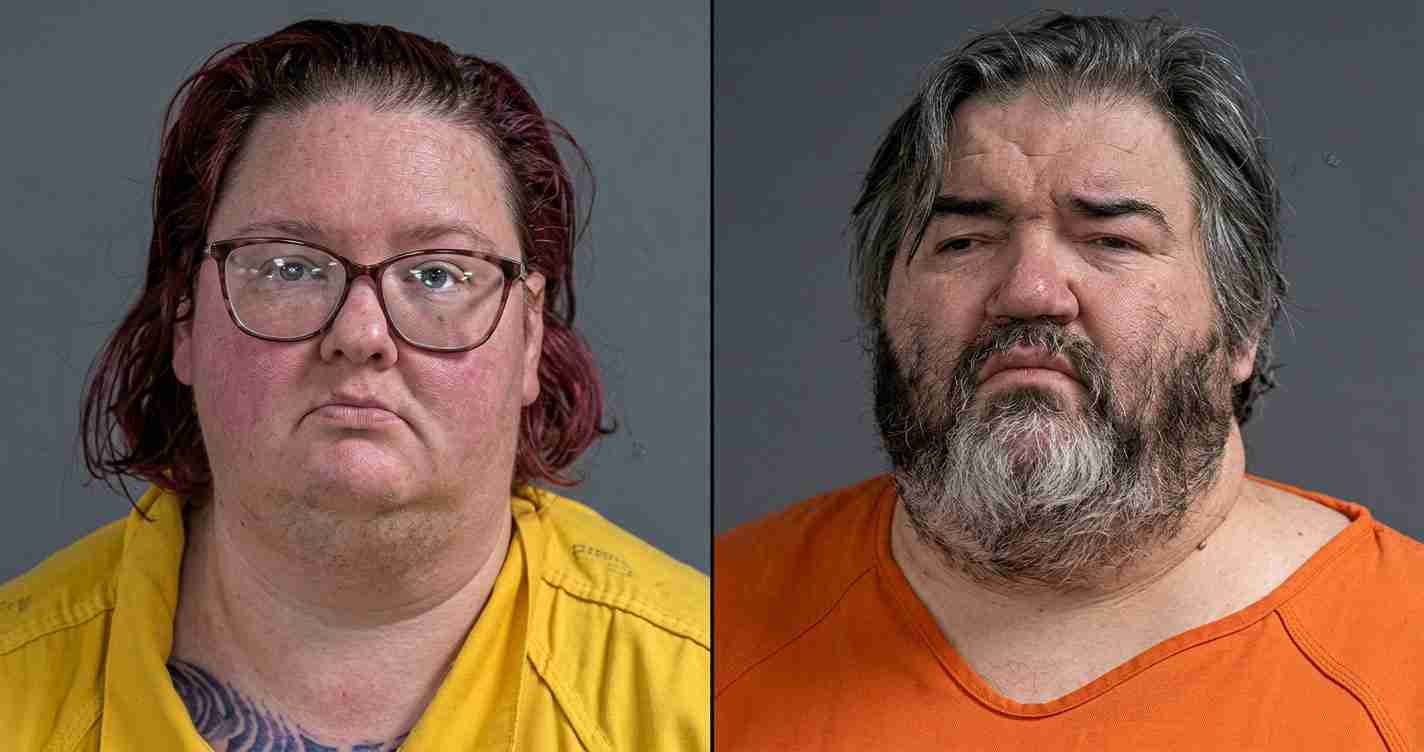
Federal authorities arrested Mohmed Ali and Majed Mahmoud after foiling an ISIS-inspired plot codenamed “pumpkin” that targeted Ferndale LGBTQ+ nightclubs for a mass shooting on Halloween weekend 2025, preventing a potential mass-casualty attack after a months-long investigation.
- Arrests and investigation: Mohmed Ali and Majed Mahmoud were arrested Oct. 31, 2025, after a months-long FBI Joint Terrorism Task Force investigation involving additional co-conspirators and a juvenile.
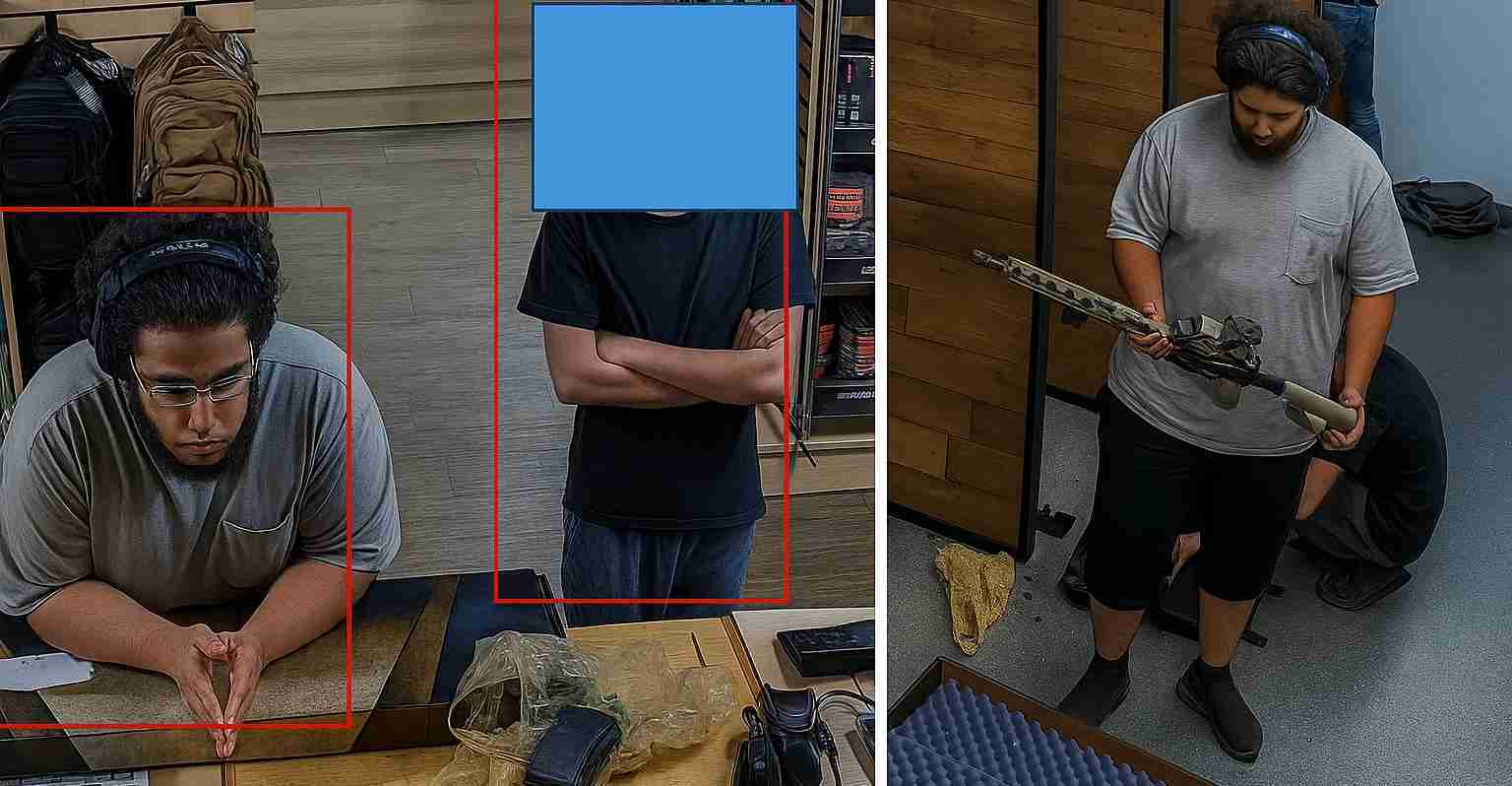
- Weapons and planning: Purchases included AR-15–style rifles, shotguns, handguns, tactical vests, a forced reset trigger device and over 1,600 rounds of AR-compatible ammunition.
- Charges and potential penalties: Federal charges allege transfer/receipt of firearms and ammunition knowing they would be used to commit a terrorism-related federal crime; penalties include up to 15 years and fines.
- Community and law enforcement response: Ferndale police report no active threat post-arrests; multiagency coordination disrupted the planned Halloween attack.
Investigation and arrests
The FBI’s Joint Terrorism Task Force (JTTF) led a months-long investigation that culminated in the arrests of Mohmed Ali and Majed Mahmoud on Oct. 31, 2025. Court filings and reporting identify two additional adults and a juvenile involved in planning.
Timeline and how the plot unfolded
According to prosecutors, investigators detected online and in-person activity indicating an attack was being planned. Conspirators exchanged ISIS propaganda, used encrypted messaging, and referred to the planned Halloween attack as “pumpkin” or “pumpkin day.”
The group conducted surveillance of nightlife locations — including three bars on Woodward Avenue in Ferndale — trained at Michigan gun ranges and acquired weapons and gear intended to increase firepower and sustain a prolonged attack.
Weapons purchases and tactical gear
Court documents detail purchases of multiple firearms (including AR-15–style rifles), shotguns, handguns, tactical vests, and more than 1,600 rounds of ammunition compatible with AR-15s. Notably, investigators say the suspects obtained a forced reset trigger device — described in filings as a component that can increase the effective firing rate of a semiautomatic rifle.
“Purchases, surveillance, and weapons training provided probable cause to charge the suspects with transferring firearms and ammunition with the intent they would be used in a terrorism-related crime,” prosecutors wrote in the complaint.
Charges, court appearances and potential penalties
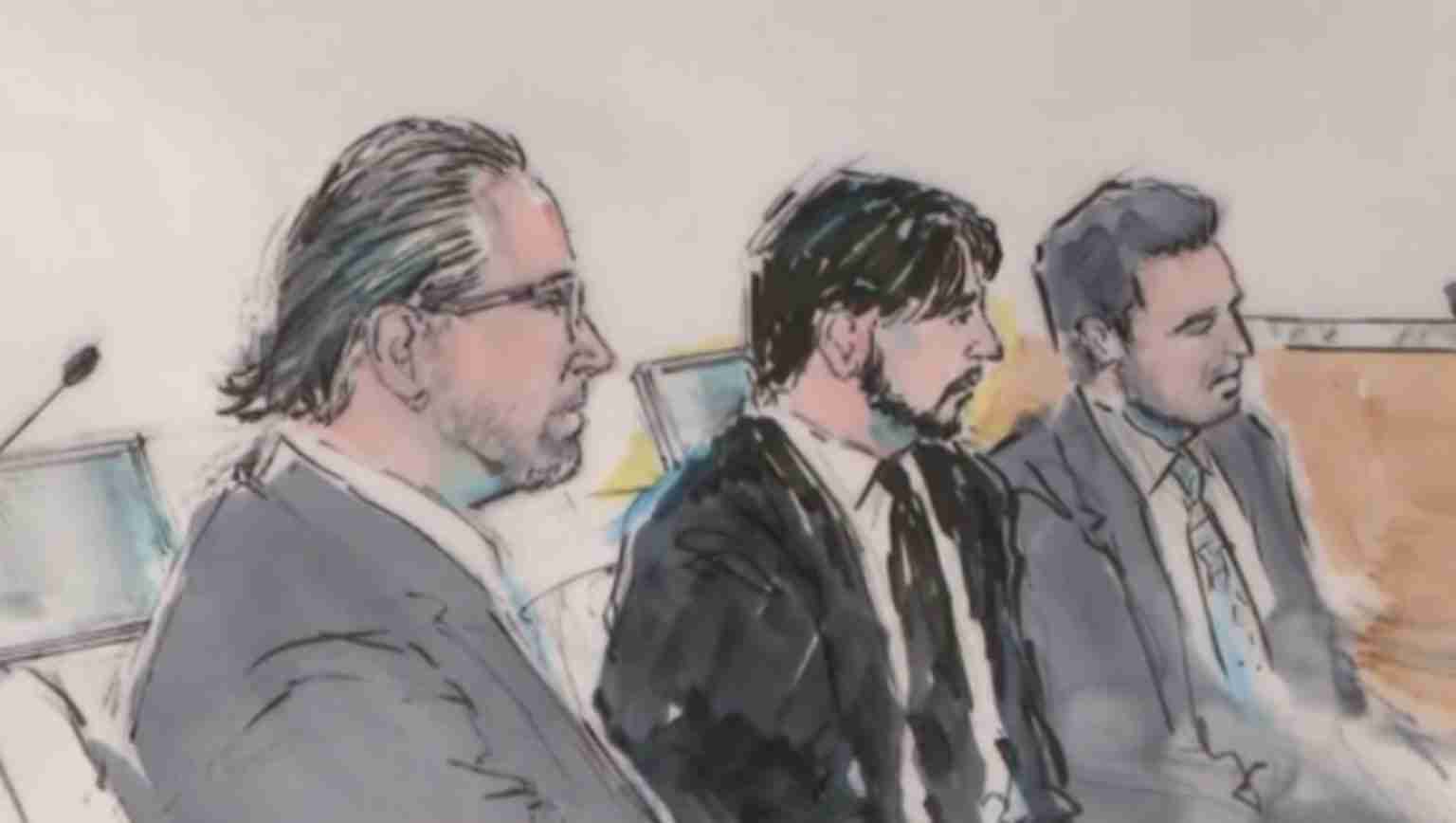
Ali and Mahmoud were arraigned in federal court and are being held pending a detention hearing set for Nov. 10, 2025. They face federal charges related to receiving and transferring firearms and ammunition while knowing those items would be used to commit a federal crime of terrorism.
Penalties: If convicted, the defendants face up to 15 years in prison and fines under the statutes cited by prosecutors. The U.S. Attorney’s Office for the Eastern District of Michigan filed the criminal complaint outlining intercepted communications, purchase records and surveillance footage used as evidence.
Law enforcement coordination and the role of the JTTF
The JTTF led the probe in coordination with the Ferndale Police Department and other federal and local partners. Ferndale officials said they were kept informed throughout the investigation and were reassured that no active threat remained following the arrests.
Officials emphasized the multiagency effort — including analysis of digital communications and monitoring of suspicious purchases — as essential to disrupting the plot before it could be carried out.
Community reaction and local outreach
Ferndale, known for its visible LGBTQ+ community and nightlife, reacted with relief and grief. City leaders praised law enforcement for swift action and urged vigilance without panic. Bar owners and local support organizations increased visible security and offered resources for patrons affected by the news.
Community groups called for continued protection of LGBTQ+ spaces and attention to how online radicalization can translate into real-world violence.
Who else is involved
Court filings name two additional adults and a juvenile who participated in planning and preparation. Authorities have not publicly released detailed identities or charges for those individuals pending further investigation and juvenile proceedings.
Prosecutors link weapons acquisitions, range training and surveillance directly to the broader group and to ISIS-inspired materials and rhetoric shared among the suspects.
The ISIS-inspired angle
Federal officials describe the plot as ISIS-inspired, noting that suspects exchanged ISIS propaganda and used extremist rhetoric. Investigators said they found no evidence of formal overseas operational ties, but the ideological inspiration and intent met the threshold for terrorism-related federal charges.
Sources and documents
The criminal complaint and related court records filed by the U.S. Attorney’s Office for the Eastern District of Michigan form the backbone of the federal case. Local and national outlets also reported on the investigation. Official sources include:
- Ferndale Police Department press releases
- U.S. Attorney’s Office for the Eastern District of Michigan
- ABC News coverage
- CBS Detroit reporting
- WXYZ Detroit
- Detroit Free Press
- KFOX-TV (national/local coverage pages)
Implications for Las Vegas, Nevada
Although the plot was centered in Michigan, the case has implications for nightlife hubs such as Las Vegas. Officials and industry stakeholders may reassess security, preparedness and outreach in response to threats aimed at LGBTQ+ venues and other public nightlife locations.
Economic impact
Nightlife and tourism rely on public confidence. News of plots targeting nightlife can temporarily depress patronage and increase security costs for casinos and clubs if similar threats emerge locally.
Political consequences
Nevada leaders and federal delegation members may press for strengthened federal-local counterterrorism coordination and reviews of preparedness for mass-casualty events focused on vulnerable communities.
Social effects
Las Vegas’ large LGBTQ+ community and nightlife scene may experience heightened anxiety. Community organizations will likely call for support services, security measures, and outreach to counter online radicalization.
Practical applications for residents
- Security measures: Venue operators should review access control, lighting, staffing and emergency protocols; conduct visible security and staff training for active-shooter response.
- Public awareness: Residents should report suspicious purchases or behavior to local law enforcement and follow official channels like the Las Vegas Metropolitan Police Department and federal advisories.
- Community support: Nonprofits and city offices can prepare counseling and rapid-response teams for trauma support.
Reporting and accountability
Investigative reporting and public-records requests in Nevada may focus on local agencies’ readiness to detect and disrupt similar threats. Transparency about coordination with federal partners and community outreach will be important to maintain public trust.
Note: All facts, dates, names and source URLs in this article reflect court filings and reporting as stated above.