Fairfax police warned prosecutors three times about suspect before Hybla Valley bus stop killing, emails show
Emails show Fairfax County Police warned prosecutors three times about Abdul Jalloh’s violent past before he was arrested and charged with second-degree murder in the February 23, 2026 stabbing death of Stephanie Minter at a Hybla Valley bus stop.
Key takeaways
- Repeated warnings: Fairfax County Police officers emailed the Commonwealth’s Attorney’s Office at least three times urging detention of Abdul Jalloh, citing a lengthy and violent criminal history and escalating threats.
- Victim and arrest: Stephanie Minter, 41, was found fatally stabbed at a Richmond Highway bus shelter; surveillance and witnesses pointed to Jalloh, who was arrested Feb. 24 and charged Feb. 25.
- Extensive record: Department of Homeland Security and local records cite more than 30 arrests and roughly 178 police contacts spanning 2012–2026, with allegations ranging from assault to rape and stabbing.
- Policy implications: The case highlights tensions among local charging decisions, public-safety concerns, and cooperation with federal immigration authorities in light of state policy changes.
What happened at the Hybla Valley bus stop
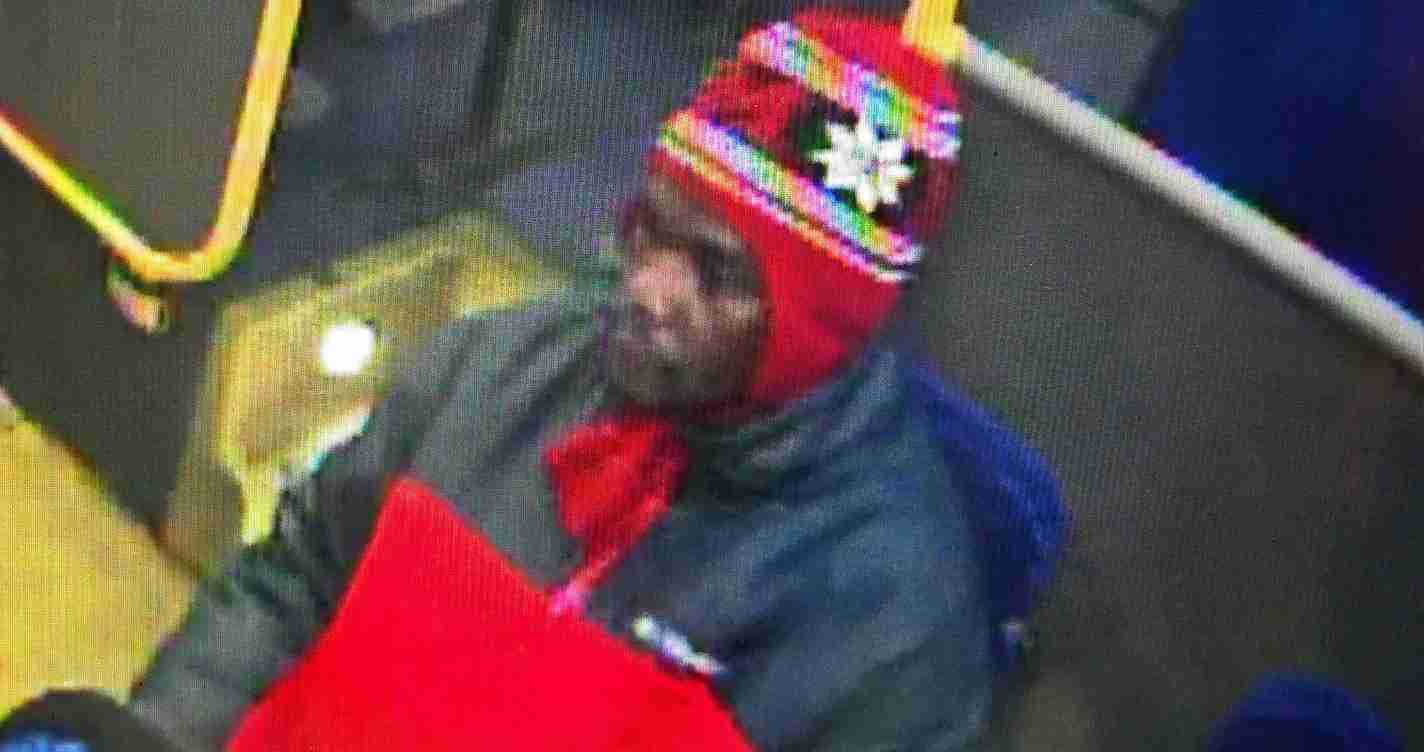
Timeline: Fairfax County police responded at 7:16 p.m. on Feb. 23 to Richmond Highway and Arlington Drive after a 911 call and found Stephanie Minter with multiple upper-body stab wounds inside a bus shelter; she was pronounced dead at the scene. Surveillance footage and witness interviews identified Abdul Jalloh as the last person seen with Minter after they got off a bus together. Jalloh was arrested the next day at a nearby liquor store after an employee reported him for shoplifting; he was held without bond and charged with second-degree murder on Feb. 25 (see the Fairfax County Police Department release).
Abdul Jalloh criminal history, according to DHS and police records
Department of Homeland Security and local filings outline a long string of arrests and police contacts dating back to 2012. Agencies say Jalloh has more than 30 arrests and roughly 178 prior involvements in northern Virginia for offenses including intoxication, narcotics, shoplifting and numerous violent allegations. DHS records list serious allegations — including rape, malicious wounding, assault, firing a weapon and identity theft — though reporting notes many charges were declined or dropped in local cases (summary reporting: WHMI, Fox News, and local reporting by WJLA).
Police emails show repeated warnings to prosecutors
Newly obtained emails reviewed by news outlets show FCPD officers repeatedly flagged Jalloh as a repeat violent offender and urged prosecutors to seek detention or more aggressive charges. In one message, a police major wrote to Chief Deputy Commonwealth’s Attorney Jenna Sands that Jalloh was “one of the repeat (and violent) offenders” they had discussed and asked why he was released so quickly, warning: “it is not a question of if, but rather when he will maliciously wound (or worse) again.” Other messages from May 2025 urged prosecutors to hold Jalloh at the Adult Detention Center, labeled him “DANGER,” and noted a pattern of stabbings and that he was on probation. Reporting on the emails and related records is detailed at WHMI and Fox News.
Specific prior violent incidents cited by police
- October 2018: Allegations he choked, stomped on, burned a woman’s chest and raped her (WHMI).
- January 2023: A stabbing inside a McDonald’s (WHMI).
- February 2023: Stabbed an elderly man; convicted of malicious wounding and given a five-year suspended sentence and probation (WHMI).
- April 14, 2024: Stabbed a homeless man at a bus stop and later stabbed a woman during an assault and robbery (WHMI).
- May 4, 2025: Stabbed a man in the leg while the man slept with his girlfriend; the victim identified Jalloh, who was on probation at the time (WHMI).
Prosecutor’s office response and the limits of local charging decisions
Fairfax County Commonwealth’s Attorney Steve Descano and his office said they were aware of Jalloh’s history and shared police concerns; Chief Deputy Jenna Sands personally handled several related cases. Prosecutors noted charging and detention choices are constrained by evidence, witness cooperation and legal standards. The office said it explored prosecution options when possible but in some cases was limited by available testimony and other factors (statements summarized in reporting: WHMI, Fox News).
Immigration involvement and state policy context
DHS records note Jalloh entered the U.S. in 2012 and has a lengthy arrest history in northern Virginia. After the killing, DHS urged state leaders to ensure local cooperation with federal immigration holds where permitted. The case comes amid a February 2026 state measure that limited certain forms of local law enforcement cooperation with ICE, complicating some federal handover requests (WJLA).
Ongoing investigation
Fairfax County police say the investigation remains active. Officers continue to review surveillance footage and interview witnesses and others known to have had contact with Minter and Jalloh. The department has released limited details while the probe continues (see the Fairfax County Police Department release).
Implications for Las Vegas, Nevada
Public safety at transit stops: The Hybla Valley killing underscores needs for improved lighting, regular patrols and emergency call systems at bus shelters to protect riders.
Prosecutorial choices and community trust: Emails showing police requests for detention may intensify local debate about charging discretion; transparency and communication between police and prosecutors help build trust.
Coordination with federal immigration authorities: Local leaders must balance public safety, civil rights and legal constraints when considering cooperation with ICE — the Fairfax case highlights how state policy changes can complicate that balance.
Services for people with repeated police contacts: Jalloh’s long list of contacts raises questions about outreach, mental health crisis teams, addiction services and targeted programs to prevent repeat violent encounters.
Impact on riders: High-profile incidents can make transit users feel unsafe; transit agencies and city leaders may review safety plans, outreach and support for vulnerable riders.