Gaza deadliest day since ceasefire: Israeli airstrikes kill at least 143 as IDF accuses Hamas of staging casualties
On May 15, 2025, Israeli airstrikes killed at least 143 people across Gaza, the deadliest day since the March truce, while the IDF released drone footage accusing Hamas of staging casualties and international bodies demanded investigations.
- May 15, 2025 escalation: Israeli strikes killed at least 143 people, marking the deadliest day since the March ceasefire (Gaza war overview).
- Key targets: Strikes hit the Gaza European Hospital compound in Khan Yunis and a crowded market/restaurant in Gaza City (more than 30 killed in one attack).
- IDF allegation: Drone footage released by the IDF accused Hamas operatives of staging a discovery of a buried body (Timeline and IDF video reporting).
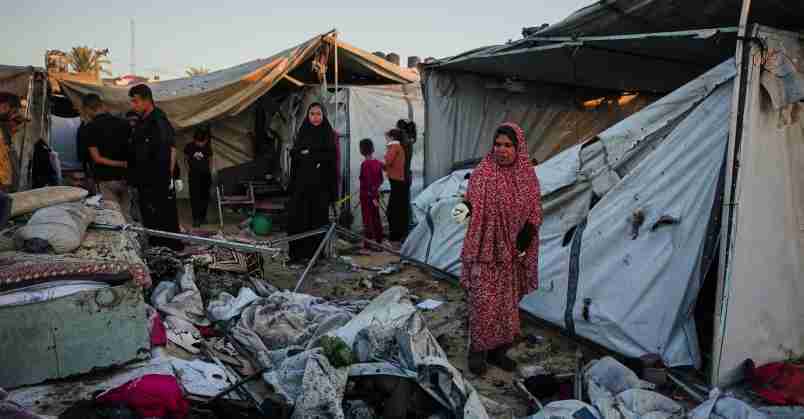
- Humanitarian impact: Renewed displacement, constrained aid deliveries and overwhelmed hospitals amid rising civilian casualties.
Israeli strikes and the toll on civilians
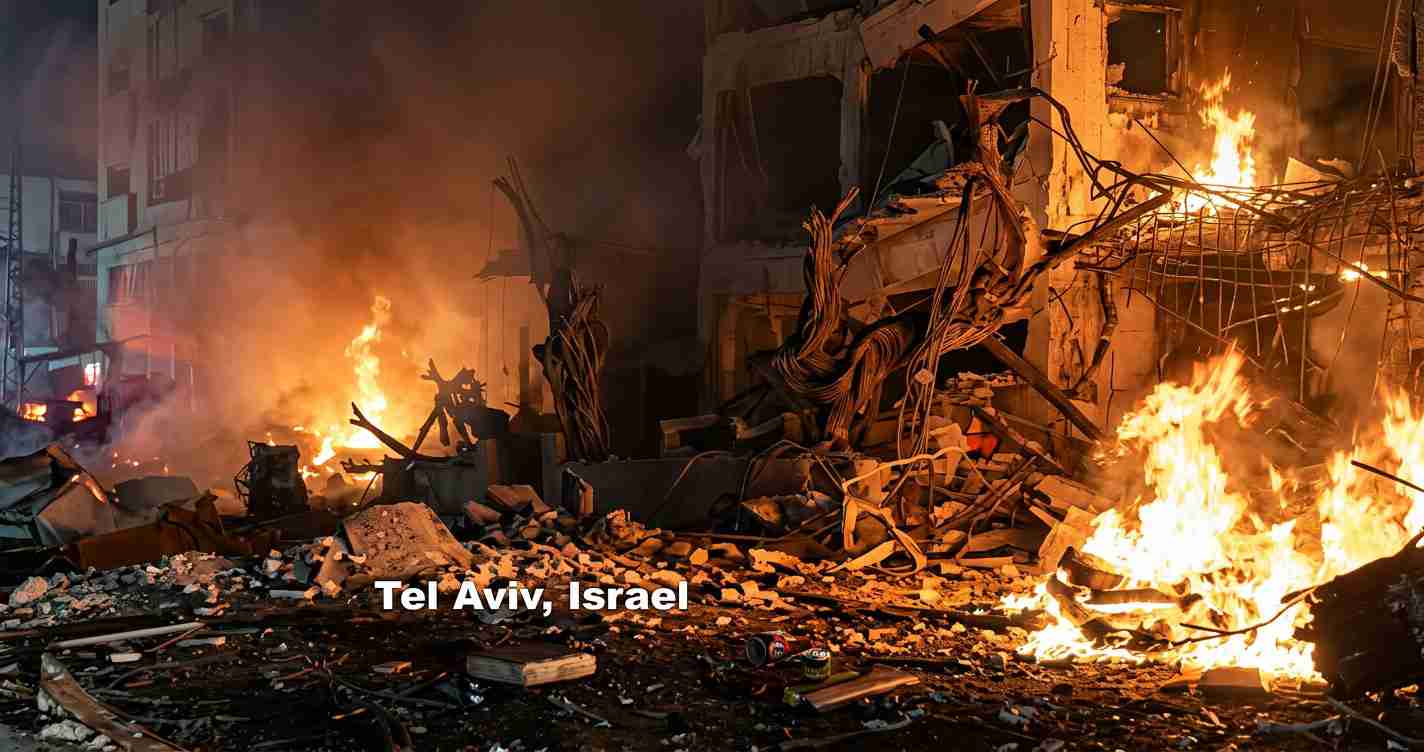
On May 15, 2025, Israeli forces launched a large wave of airstrikes across the Gaza Strip. Israeli officials described the operations as a direct response to alleged Hamas ceasefire violations. Local health authorities reported at least 143 dead that day, including many women and children, making it the deadliest single day since the March 2025 truce went into effect (Gaza war overview).
Among the deadliest incidents were strikes near the Gaza European Hospital compound in Khan Yunis, with reports indicating two senior Hamas figures — named in open sources as Mohammed Sinwar and Muhammad Shabana — were killed. Another strike hit a crowded market and a nearby restaurant in Gaza City, killing more than 30 people in a single attack. Local hospitals described scenes of mass casualties and rapidly depleted supplies.
“Hospitals are overwhelmed, lacking beds, medicine and supplies,” said local health officials as aid groups warned that renewed fighting and damaged infrastructure would impede assistance.
IDF drone video: allegations of staged casualties
The IDF released drone footage it said showed Hamas operatives burying a white cloth with a body and later staging its discovery in front of Red Cross personnel. Israeli authorities characterized the footage as evidence of a deliberate attempt to create a propaganda event blaming Israel for civilian deaths (Timeline and IDF video reporting).
Hamas denied the allegations, accusing Israel of seeking to distract from civilian deaths caused by the strikes. Independent third-party verification of the video and context was not immediately available; international groups and media called for transparent, independent inquiries to determine the facts.
Ceasefire breakdown and broader military context
The March 2025 ceasefire had reduced large-scale fighting for weeks, but tensions and small incidents persisted. Israeli officials said Hamas had breached the truce, prompting the May strikes and a wider campaign critics described as an effort to neutralize militant leadership and regain control over parts of Gaza.
Reporting around May 16 noted the start of a named Israeli operation referenced in public sources as Operation Gideon’s Chariots, which prompted international concern about escalation, diplomatic costs, and calls for restraint.
Humanitarian impact and aid disruptions
The surge in violence sharply worsened Gaza’s humanitarian crisis. The Gaza Health Ministry and aid organizations reported rising child and noncombatant deaths, overwhelmed hospitals, and damaged medical infrastructure. Roads, power lines and clinics sustained damage that complicated treatment for the injured.
Aid deliveries were reduced amid growing need. The number of humanitarian trucks entering Gaza fell below promised levels, and closure or restrictions at the Rafah border crossing limited emergency access. Aid groups warned that fewer trucks and tighter border controls could produce shortages of food, water and medicine for hundreds of thousands of civilians (Timeline and IDF video reporting).
International reaction and calls for investigation
World leaders, humanitarian organizations and diplomats urged protection for civilians and unfettered humanitarian access. The IDF’s released footage intensified debate and produced demands for independent inquiries into both the alleged staging and the civilian deaths resulting from strikes.
Some countries warned of potential sanctions if hostilities expand; others pushed for immediate humanitarian corridors and monitoring mechanisms to verify incidents and protect civilians. Observers cautioned that independent investigators would face permissions, safety risks and access limitations on the ground.
Hamas internal dynamics and security measures
Amid fighting, reports documented internal repression within Gaza, including instances of punitive measures and reported executions of suspected collaborators. These actions underscore internal instability and complicate aid delivery and independent evidence-gathering on alleged wrongdoing by armed groups.
Why verification matters
Verification is essential for accountability. Third-party monitors, forensic teams and neutral investigators are needed to establish timelines, confirm identities, and assess whether civilians or protected sites were deliberately targeted. Without transparent verification, competing claims from both sides will continue to shape international response and policy.
Implications for Las Vegas, Nevada
Though geographically distant, the escalation carries practical implications for Las Vegas across economic, political and social dimensions.
Economic impact
- Travel and tourism: Global unease or higher fuel prices could reduce international bookings, affecting hotels and casinos.
- Financial markets: Spikes in geopolitical risk can shift markets and consumer spending, squeezing local businesses.
Political consequences
- Local leaders may face pressure to issue statements or support humanitarian measures; Nevada’s delegation could be asked to weigh in on federal aid or refugee policy.
Social effects
- Community vigils, fundraisers and dialogue forums may increase; at the same time, community tensions could rise where opinions on the conflict diverge.
- Immigration and refugee services might see higher demand if displacement rises.
Cultural relevance
- Universities and cultural centers may host panels, teach-ins and media-literacy events to unpack verification challenges like those raised by the IDF footage.
Practical applications for residents
- Donations and volunteering: Verify charities before donating; prefer nonprofits with established international partnerships.
- Civic engagement: Press local representatives for clear humanitarian priorities and independent investigations.
- Travel choices: Check airline advisories and consider travel insurance for international plans.
Sources and further reading
– Timeline and IDF video reporting
Note: Additional reporting continues to emerge as independent investigators, aid groups and governments review footage and casualty reports. The situation remains fluid and verification of both casualty counts and the IDF’s drone footage claims is ongoing.