Hollywood producer David Pearce sentenced to 146 years; prosecutors say a late “hero officer” also accused him of rape
Hollywood producer David Pearce was sentenced to 146 years in prison in Los Angeles on Oct. 29, 2025, after convictions for two 2021 murders and multiple sexual assaults, with prosecutors revealing a previously unpublicized allegation by a deceased “hero officer.”
Key takeaways
- Defendant: David Pearce, 43, a Hollywood producer.
- Sentence: 146 years in prison imposed Oct. 29, 2025; source: video report.
- Convictions: Guilty of two murders tied to 2021 deaths and multiple sexual assault convictions reported by CBS Los Angeles and the Times Media video.
- New disclosure: Prosecutors entered an allegation that a fallen Los Angeles officer, hailed as a hero after dying while helping others, had accused Pearce of rape; that claim had not previously been publicized (Times Media video).
Case background
Prosecutors say the case drew intense attention after two women were found dead in 2021, each discovered after being left at hospitals following parties attended with David Pearce. Authorities tied the deaths of Christy Giles and Hilda Marcela Cabrales-Arzola to drug overdoses in the ensuing investigation, according to reporting by CBS Los Angeles.
Investigation and charges
As additional victims came forward, investigators pursued broader charges. The indictment and trial included multiple counts of sexual assault in addition to the homicide counts. Prosecutors described a pattern spanning several years and said Pearce preyed on vulnerable women, a theme emphasized during sentencing (Times Media video).
Victims and convictions
The jury convicted Pearce on two murder counts tied to the 2021 deaths of Giles and Cabrales-Arzola and on multiple sexual assault counts from at least seven other women. Prosecutors argued Pearce’s conduct directly contributed to the fatalities and fit a broader pattern of predatory behavior. The court records show at least seven additional accusers whose allegations were part of the sentencing calculus (Times Media video).
Unpublicized allegation by a late “hero officer”
A notable disclosure at sentencing came when prosecutors said a Los Angeles police officer — described in court as a hero because he died while helping others — had accused Pearce of rape. That allegation had not been publicly linked to the case before it was included in the sentencing record (Times Media video).
Prosecutors told the court the officer’s claim was used to illustrate the broader impact and pattern of offenses, even though the officer was deceased and could not testify at trial.
Sentencing and legal outcome
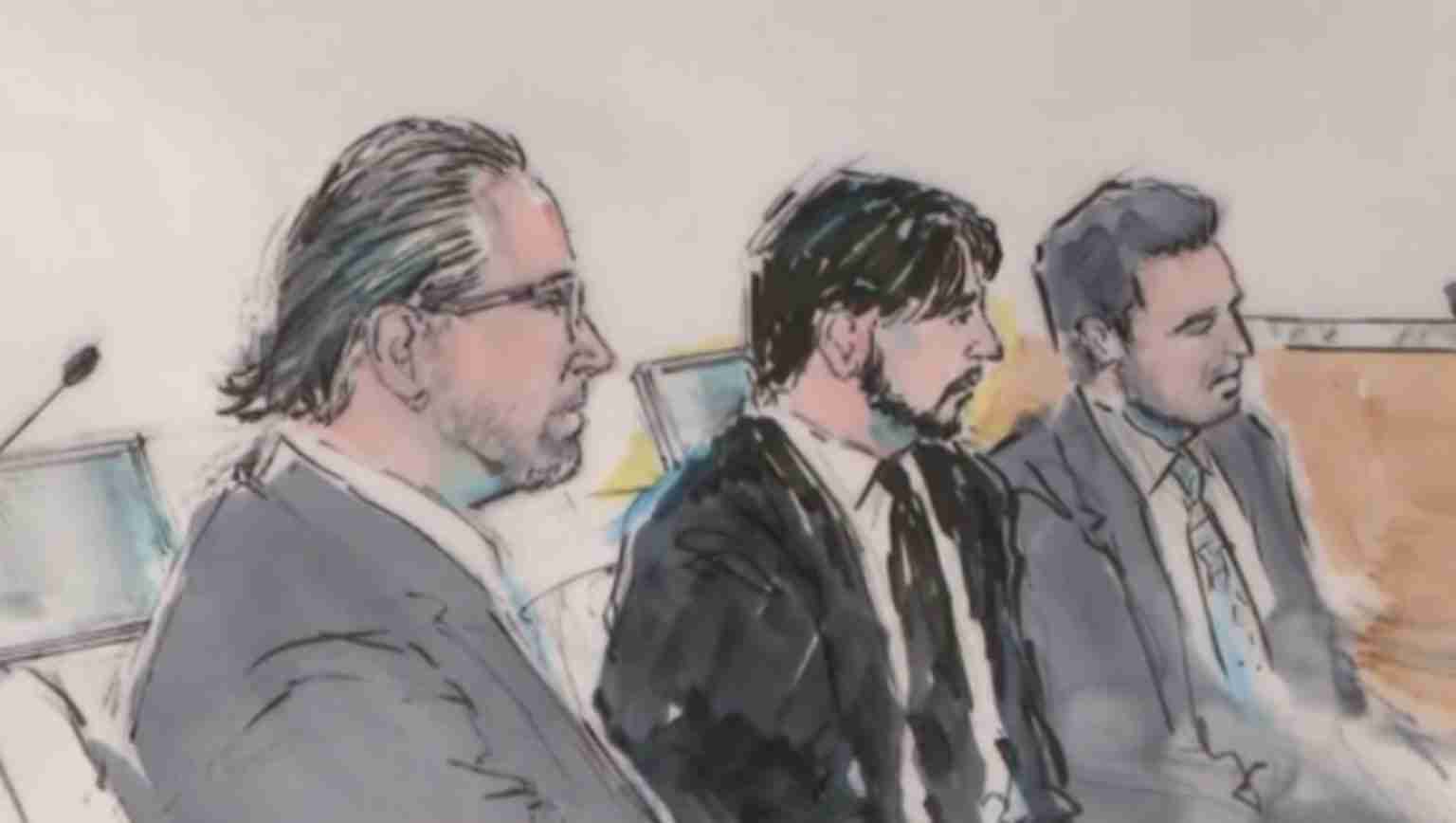
At the Oct. 29, 2025 hearing in Los Angeles, the judge imposed a combined term of 146 years, reflecting the murder convictions plus the string of sexual assault convictions. Prosecutors urged the court to account for the number of victims and the alleged exploitation; the defense sought leniency but the judge imposed the maximum cumulative punishment available under law (Times Media video).
Legal commentators note that courts can consider victim impact and other evidence during sentencing even when a victim is unavailable to testify, though standards for admission and weight vary. The use of a deceased officer’s allegation prompted discussion about how posthumous accusations are handled in sentencing records.
Investigative notes and public reaction
The case attracted sustained media attention because of Pearce’s entertainment-industry ties and the number of women who came forward. Advocates say publicizing a range of allegations can encourage other survivors to speak up while creating complexities for courts and newsrooms in presenting sensitive claims.
Law enforcement at the sentencing framed the officer’s accusation as additional evidence of a pattern; news reports remembered the officer for his service and noted prosecutors included his claim to underscore alleged predatory behavior (Times Media video).
Implications for Las Vegas, Nevada
Economic impact
Las Vegas’ entertainment and hospitality sectors may feel ripple effects: hiring, event insurance, and venue policies could face increased scrutiny. Local firms may review contracts and safety plans to better protect workers and guests in private events.
Political consequences
Voters and officials in Las Vegas might push for stronger protections for visiting performers and service workers. The case could be a reference point in debates over funding for victim services and prioritizing sexual-assault investigations in the entertainment sector.
Social effects
The revelation about a late officer’s allegation may resonate with first responders and nightlife workers, prompting increased outreach, counseling demand and reports to hotlines as communities process the disclosure.
Cultural relevance
The case highlights power imbalances within entertainment culture and may spur industry leaders and unions in Las Vegas to advocate for safer workplaces and stronger accountability standards.
Practical applications for residents
Workers in nightlife and production should document incidents, seek employer or union support, and report crimes promptly. Venues are advised to strengthen policies on consent, drug safety and post-event transport plans.
Reporting and sources
This article draws on sentencing coverage and courtroom reporting distributed by Times Media Service and local outlets. Key source material includes a Video report and broadcast coverage from CBS Los Angeles coverage.
Preserved URLs:
Times Media video / video report
CBS Los Angeles