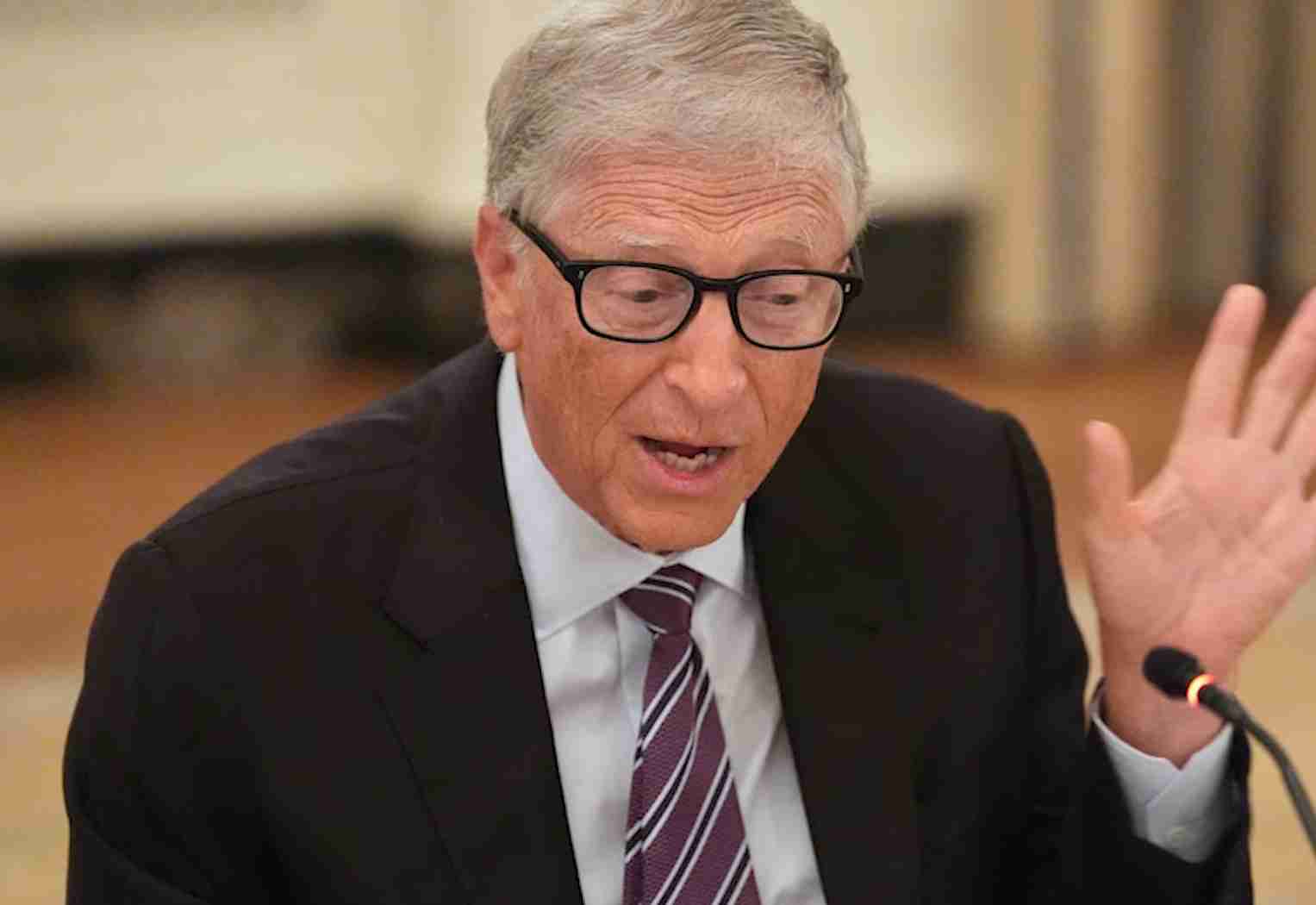
Bill Gates shifts climate strategy to put poverty alleviation and human welfare at center ahead of COP30
Philanthropist Bill Gates announced a major shift in climate strategy, urging that aid prioritize poverty alleviation and human welfare ahead of COP30, measuring success by lives saved and livelihoods protected rather than carbon tons alone.
- Prioritize the poorest: Gates says climate action should put the poorest people first and measure success by lives saved and livelihoods protected, not only by tons of carbon avoided — see the GatesNotes essay.
- Adaptation and health focus: He calls for more funding for adaptation, health and climate-smart agriculture in places where impacts are worst — detailed in the GatesNotes piece.
- Data-driven use of scarce aid: With global aid budgets under strain, Gates urges rigorous, evidence-based spending to maximize human-welfare outcomes — elaborated on GatesNotes.
- Complement, not replace: He does not reject emissions cuts but reframes success metrics to include reduced deaths, less malnutrition and more stable incomes — see the full argument on GatesNotes.
Statement of the pivot
Bill Gates, known for co-founding Microsoft and for large-scale philanthropy, says the world needs to retool how it fights climate change. In a recent GatesNotes essay, he urged leaders and delegates preparing for COP30 to make helping poor and vulnerable people the central aim of climate work.
Gates wants climate funds and policies judged by their effect on human welfare — saving lives and protecting livelihoods — rather than by carbon accounting alone. The proposal reframes program success around measurable human outcomes alongside environmental indicators.
Why Gates is pushing this change
Gates draws on decades of development work through his foundation and argues that climate harm hits hardest where safety nets are weakest. Heat waves, floods and droughts disrupt food, health and income in low-income regions; where money is scarce, each dollar should be judged by how many lives it saves or how much hunger it prevents — a point he outlines on GatesNotes.
He also highlights shrinking aid budgets and growing debt pressures in poorer countries, arguing that careful, evidence-driven spending is essential to achieve the greatest human benefit from limited resources — an argument detailed in the same GatesNotes analysis.
Core arguments and proposed changes
- Human welfare as the central metric: Shift away from only measuring tons of CO2 reduced to include mortality, malnutrition and economic displacement when judging climate programs (GatesNotes).
- Prioritize adaptation and resilience: More investment in adaptation, health systems and climate-smart farming in vulnerable regions, rather than concentrating solely on emissions reductions where near-term human benefits are limited (GatesNotes).
- Data-driven funding: Use rigorous evidence to pick programs that deliver the largest human benefit per dollar, following models like well-run vaccination campaigns (GatesNotes).
Policy and practical implications
If leaders adopt Gates’ framing, international climate finance could be rebalanced toward adaptation projects, emergency preparedness, clinics, early-warning systems and climate-smart farming. That shift would require changing some current funding rules that favor emissions projects or decarbonization plans in wealthier countries, placing greater weight on interventions that reduce human suffering quickly (GatesNotes).
Gates makes clear: he is not dismissing emissions cuts; instead he argues for mixed metrics that marry environmental indicators with direct human outcomes, reshaping how donors, governments and aid agencies design and report programs.
Controversies and criticism
Gates’ proposal is likely to prompt vigorous debate. Some climate scientists and activists worry that emphasizing poverty alleviation could weaken pressure on major emitters and slow deep emissions cuts that are essential to avoid catastrophic warming. Critics will ask whether funds can be shifted without reducing investment in emissions technology and policy in rich countries.
“Any shift must balance short-term lifesaving measures with long-term emissions reductions to avoid trading present benefits for future risk.”
Others will question how to measure human welfare reliably and whether short-term programs will receive sustained funding. Gates frames his approach as complementary — not a replacement — for emission reduction efforts (GatesNotes).
Evidence and examples cited
Gates points to proven public-health interventions — such as vaccine programs — that save lives at scale yet sometimes lack full funding. He proposes applying similar rigor to climate aid to direct money to interventions that save the most lives per dollar. He also cites the disproportionate burden of climate impacts on poor regions and rising debt pressures as reasons for the shift (GatesNotes).
What this means for negotiations at COP30
As delegates prepare for COP30, Gates’ framing could elevate adaptation and development funding on the agenda. Negotiations may pivot toward new metrics and commitments for programs that directly help people adapt. The central question: will wealthy nations accept broader definitions of climate success that pair human-welfare measures with emissions targets (GatesNotes)?
Implications for Las Vegas, Nevada
Local and state leaders in Las Vegas could use Gates’ human-centered approach to prioritize investments that directly protect residents and the economy:
- Water and heat risks: Fund cooling centers, urban heat mitigation and water-stretching technologies judged by lives protected and illnesses prevented.
- Homeless and low-income residents: Target emergency services, public-health outreach and support for those most vulnerable to heat and utility disruptions.
- Tourism and jobs: Support adaptive measures that keep tourism infrastructure resilient and protect worker incomes, such as workplace cooling and disaster response plans.
- Philanthropy and planning: Local foundations may tie climate resilience to poverty reduction — e.g., housing insulation, community cooling hubs and health clinics — and measure success by reduced heat-related illness and fewer lost work days.
- Policy influence: Nevada’s delegation could push for more federal adaptation funds and social services connected to climate impacts.
Sources and attribution
This reporting draws on Bill Gates’ recent essay outlining his climate arguments and proposed shift in priorities: GatesNotes: Three Tough Truths about Climate. The GatesNotes piece provides the basis for Gates’ call to center human welfare and poverty alleviation in climate policy ahead of COP30.
Further reporting
Further reporting will track reactions from climate scientists, advocacy groups and federal negotiators as COP30 approaches, and whether pledged funds and policy language change to reflect a stronger emphasis on adaptation and human welfare metrics.