Biden, Blinken Say Their Diplomacy Laid Groundwork for Trump’s Gaza Ceasefire, Sparking Credit Dispute
A dispute erupted between Joe Biden and Antony Blinken and President Donald Trump over who deserves credit for the newly brokered Gaza ceasefire, with Biden and Blinken citing prior diplomacy while Trump insists he alone delivered the breakthrough.
Key takeaways
- Biden and Blinken say the Biden administration created a policy framework and diplomatic groundwork that helped make the ceasefire possible — sources: Fox News, Anadolu Agency, TRT World, Yeni Safak.
- Trump says he alone delivered the breakthrough and calls claims he inherited the groundwork a “joke” — source: Fox News.
- The Biden team had secured a short January ceasefire that freed 135 hostages but it later collapsed; regional pressure and diplomatic follow-through shaped the renewed deal — reporting includes Fox News and TRT World.
Main content
What Biden and Blinken are saying
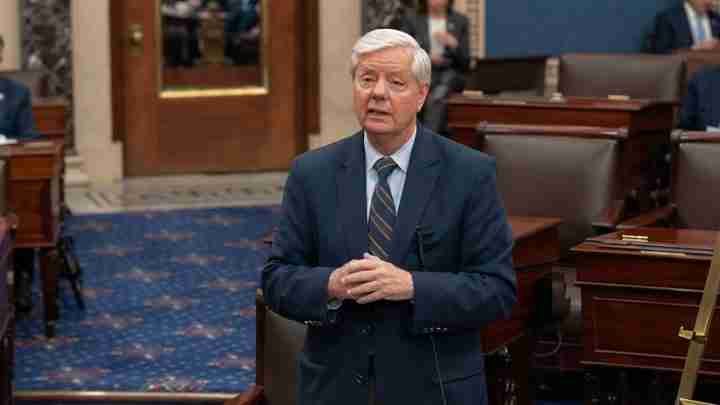
Former President Joe Biden, who is undergoing cancer treatment, issued a public remark acknowledging the ceasefire’s arrival while also stressing his administration’s role in getting negotiations started. Biden said his administration “worked relentlessly to bring hostages home, get relief to Palestinian civilians, and end the war,” and he commended Trump for getting the “renewed ceasefire deal over the finish line.” Reporting on his comments appears in Fox News and Anadolu Agency.
Antony Blinken has been more explicit, arguing the Trump plan reflects a Biden-era framework. He outlines core principles his team pushed for a post-conflict Gaza arrangement: no platform for terrorism, no annexation, no occupation, no forced population transfers, and a credible path toward Palestinian statehood. Blinken says the Trump 20-point plan largely drew on those ideas and that what changed was follow-through with key regional partners. See reporting at Fox News and TRT World.
How Trump framed the deal
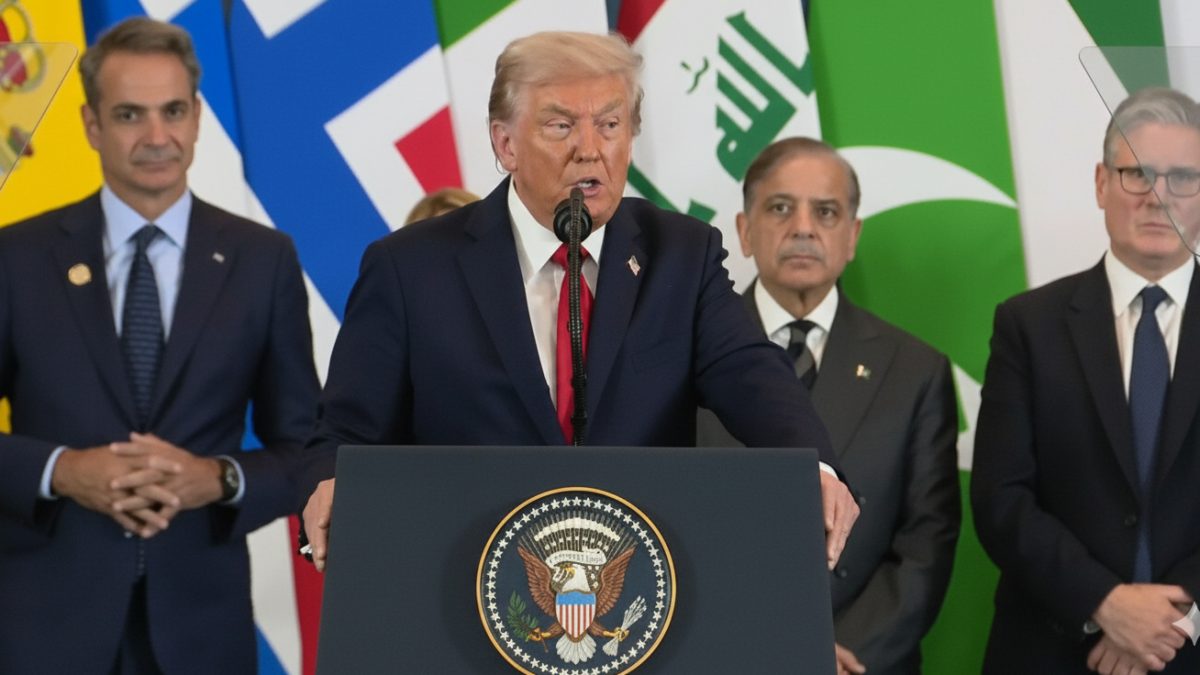
President Trump rejected the idea he was building on Biden’s work, calling suggestions that he inherited a framework a “joke.” He argued earlier administration policies failed to produce a lasting deal and presented the ceasefire as a historic, nearly impossible achievement that only his leadership could secure. Trump met with multiple world leaders in Egypt to push the second phase of the ceasefire, according to reporting at Fox News.
Timeline and earlier diplomacy
The renewed ceasefire followed earlier negotiation efforts. The Biden administration secured a temporary January pause that freed 135 hostages but that arrangement later collapsed. That sequence is central to the credit dispute: one side points to early talks and principles developed then as the groundwork; the other side says the recent breakthrough required new leadership, momentum and the finalized 20-point plan.
Regional dynamics and outside pressure
Regional players — including Arab states, Egypt and Gulf countries — are credited with pressuring Hamas and coordinating diplomacy. Blinken highlighted Arab-state pressure and the absence of new fronts by Iran-backed groups as signs of regional restraint that helped shape the path to a renewed ceasefire. Reporting on regional roles is available from Fox News and TRT World.
Political consequences at home and abroad
The dispute over credit has immediate political implications. Supporters of Biden say acknowledging prior work does not deny Trump credit for finishing the deal but is necessary to record how policy decisions and long-term diplomacy shape outcomes. Trump’s supporters emphasize the ability to close a deal as the politically decisive achievement. Public figures like former President Bill Clinton publicly recognized the deal’s importance, highlighting bipartisan attention to the outcome (Axios).
Fact-checking the credit claims
Competing claims hinge on sequencing and emphasis. The Biden side points to earlier rounds of diplomacy, hostage releases, and documented principles; the Trump side points to final negotiation momentum, meetings in Egypt and a finalized 20-point plan. Independent observers and regional diplomats note both contributions: long-term policy design and relationship-building can create openings, while high-pressure negotiation can convert openings into agreements.
Implications for Las Vegas, Nevada
Economic impact: Las Vegas’ tourism and hospitality economy depends on stable global conditions. A durable ceasefire could ease oil-price shocks and market volatility, supporting booking windows and investor confidence.
Political consequences: Urban, moderate Las Vegas voters may value pragmatic foreign policy; local officials and Nevada’s delegation may face pressure to praise diplomatic advances while weighing human-rights concerns.
Social effects: The city’s immigrant and refugee communities — including Palestinians and Israelis — may experience deeply personal reactions; community groups and faith leaders could organize vigils, forums and support services.
Cultural relevance & practical applications: Local media, universities and nonprofits may host forums on humanitarian aid and long-term political frameworks. Practical effects for residents include travel-cost shifts, charitable giving changes, and increased demand for language-access and counseling services.
Sources and reporting
This article draws on reporting from multiple outlets that covered statements by Biden, Blinken and Trump and on accounts of the diplomatic timeline and regional roles. Key reporting referenced includes Fox News, Anadolu Agency, The Jerusalem Post, TRT World, Yeni Safak, and Axios. Reporting adapted from the Times Media Service and the wire reports listed above.
Sources referenced in this article
“We worked relentlessly to bring hostages home, get relief to Palestinian civilians, and end the war,” Biden said, while also praising Trump for finishing the renewed ceasefire deal.
Reporting adapted from the Times Media Service and wire reports listed above.