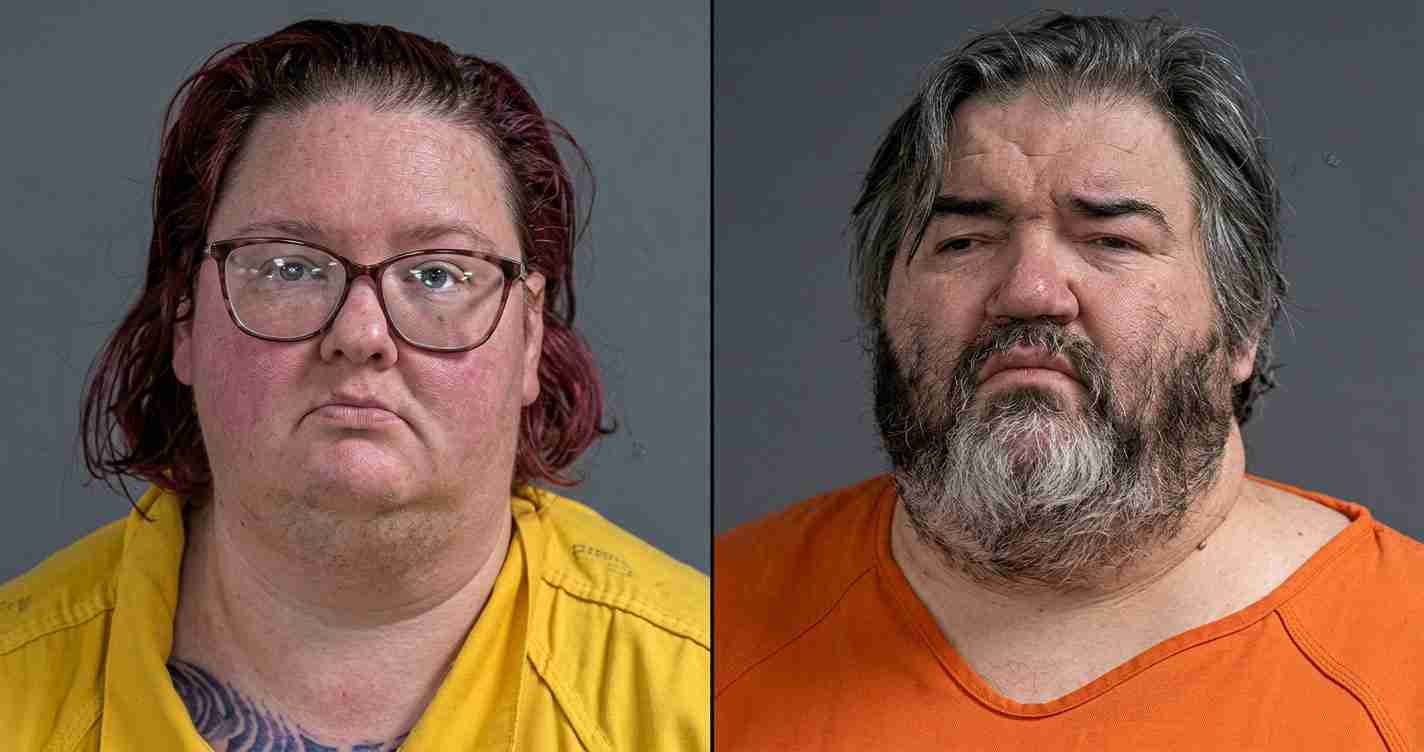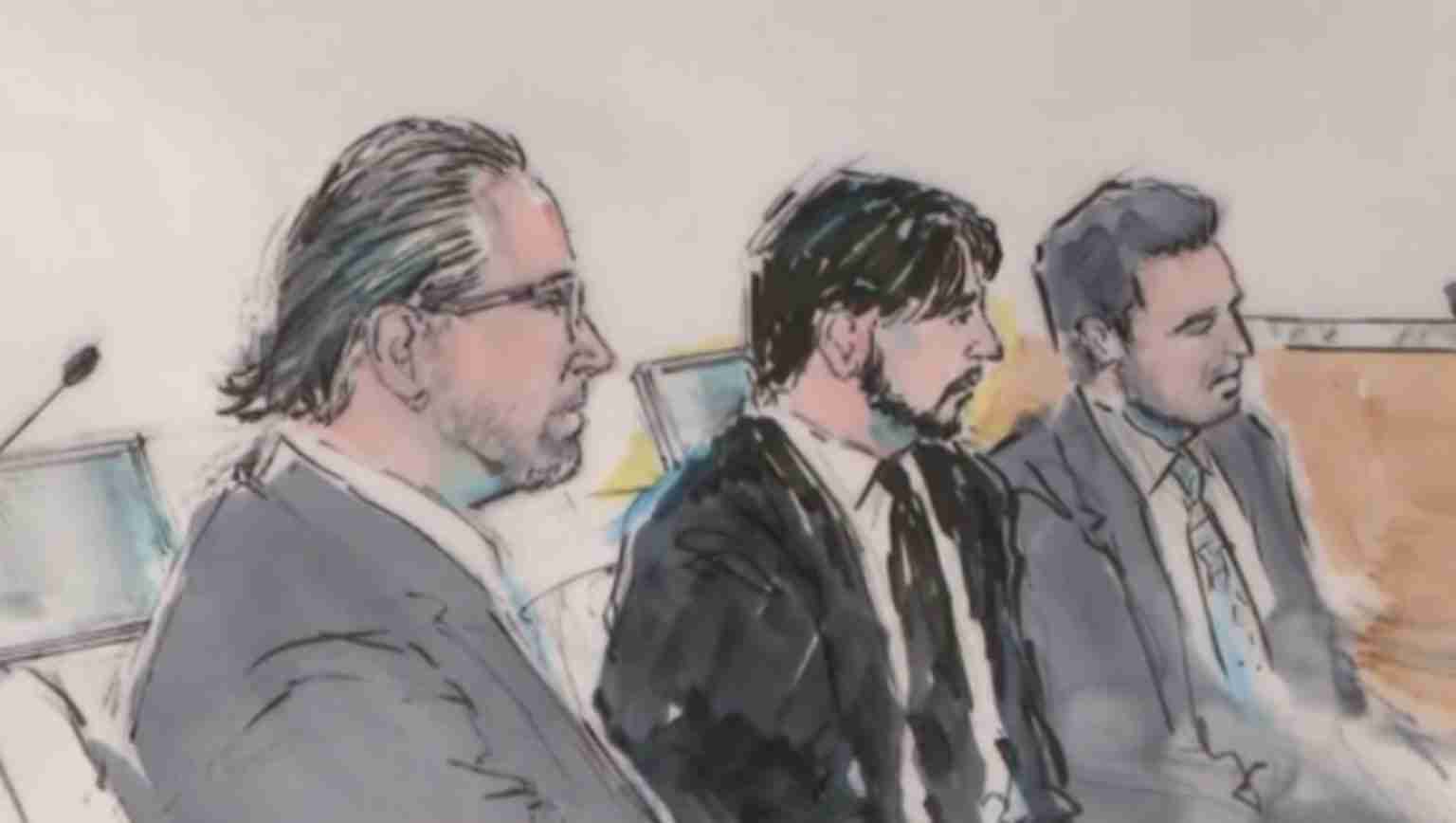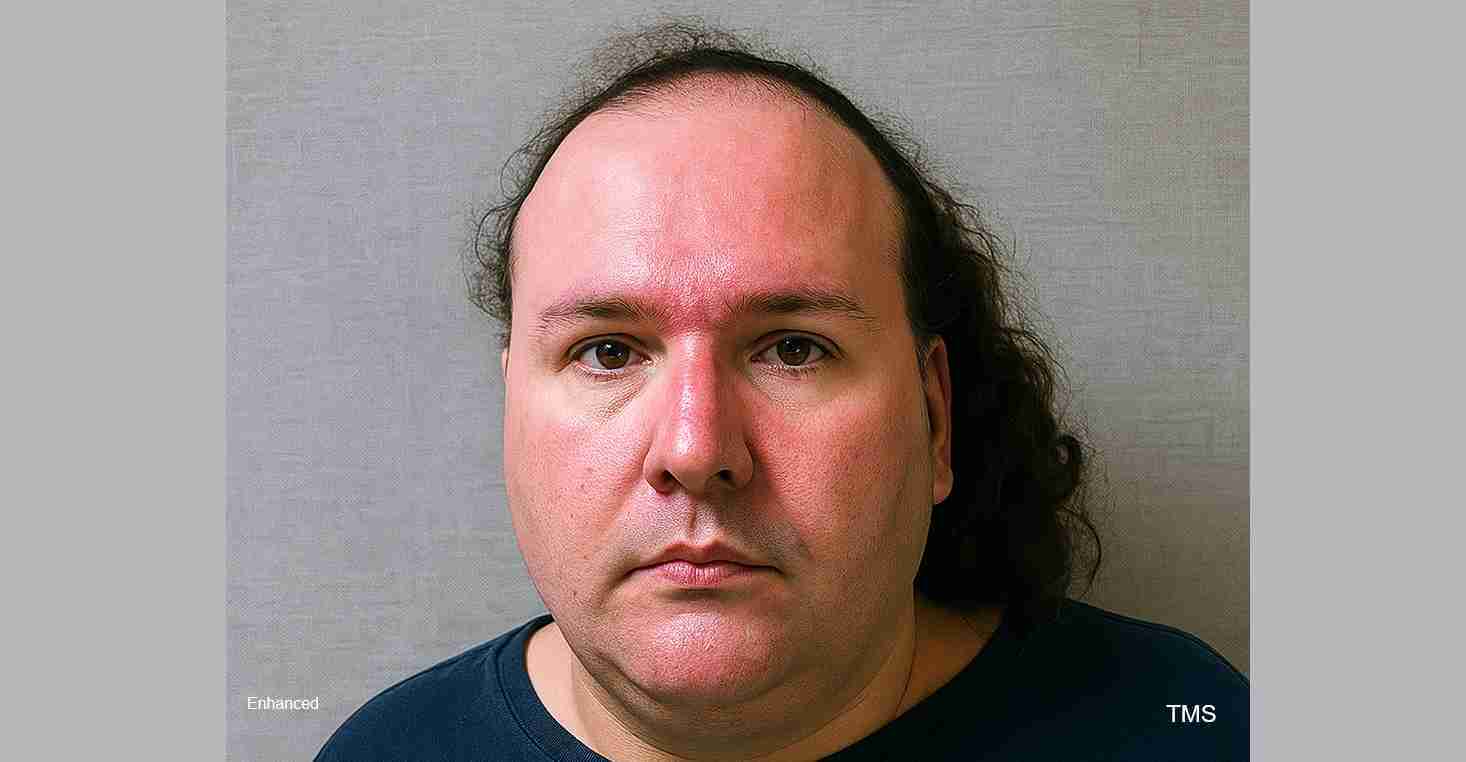
Former NH lawmaker Stacie-Marie Laughton pleads guilty to federal child exploitation charges tied to daycare photos
Stacie-Marie Laughton, a former New Hampshire state representative, pleaded guilty in November 2025 in Boston federal court to federal child exploitation charges, including the distribution of child sexual abuse images; sentencing is set for February 2026.
Key takeaways
- Guilty plea: Laughton pleaded guilty in November 2025 to federal counts including sexual exploitation of children and distribution of child sexual abuse images.
- Co-conspirator: Former daycare worker Lyndsey Groves pleaded guilty in October 2025 and cooperated with prosecutors.
- Evidence: Prosecutors cite thousands of explicit text messages and images involving children under five.
- Next steps: Sentencing for Laughton is scheduled for February 2026 in federal court in Boston.
Background: who is Stacie-Marie Laughton
Stacie-Marie Laughton was first elected to the New Hampshire House of Representatives in 2012 and again in 2020, becoming the first openly transgender lawmaker in the state. For more on her political background, see Stacie-Marie Laughton. Laughton resigned in December 2022 amid unrelated legal troubles; her prior convictions and arrests have been noted in public records.
The criminal scheme, according to prosecutors
Federal prosecutors say the case centers on a 2022 scheme in which Lyndsey Groves, then a Massachusetts daycare employee, took nude photographs of children in her care and sent them to Laughton. Authorities documented thousands of text messages between the two, including requests for additional explicit material and discussions demonstrating alleged coordination and intent.
“Prosecutors say the evidence includes thousands of explicit text messages and images involving children under five.”
Groves’s plea and cooperation
In October 2025, Groves pleaded guilty to multiple counts of sexual exploitation of children and distributing child pornography. Her plea agreement included admissions that she photographed and shared explicit images of children, some as young as three, and that she shared those images with Laughton. Groves’s cooperation — including potential testimony — was a key factor cited by prosecutors.
Laughton’s guilty plea and court filings
In November 2025 Laughton pleaded guilty in federal court in Boston to counts including sexual exploitation of children and distribution of child sexual abuse images. Federal investigators from the U.S. Attorney’s Office worked with agents on a probe that began with arrests and indictments unsealed after a mid-2023 investigation. The government’s filings say Laughton requested and received explicit photographs of children under five and point to disturbing text exchanges as evidence.
For official materials on the investigation, see the U.S. Attorney’s Office press materials.
Evidence cited by prosecutors
- Thousands of text messages between Groves and Laughton discussing the taking, sharing and content of images (see NH Journal reporting).
- Digital images recovered from devices and accounts linked to Groves (summarized in DOJ summaries).
- Admissions in Groves’s plea agreement that she took and shared explicit images and shared them with Laughton (local reporting).
Victims and protections
Prosecutors emphasize that the victims were children entrusted to daycare care. Federal laws provide enhanced penalties for offenses involving very young victims. Charging documents and courts often limit public disclosure of identifying details to protect victims; local reporting has avoided naming victims in keeping with these protections.
Prosecution strategy and plea deals
Groves’s October 2025 plea included cooperation provisions and an agreement to testify if necessary, which prosecutors often use to secure broader cases in child exploitation prosecutions. That cooperation preceded Laughton’s November 2025 plea, according to filings and reporting.
Reporting and public reaction
The case drew national attention because of Laughton’s public profile and the nature of the offenses. Coverage has appeared in local and national outlets; prosecutors issued limited public statements. Media summaries and video briefings are available (see a video summary and NH Journal reporting).
Legal and procedural next steps
Following Laughton’s guilty plea, the next major event is sentencing in February 2026. Federal sentencing guidelines and statutory minimums for child exploitation offenses can result in lengthy prison terms, depending on factors such as the number of images, the ages of victims, and the defendant’s role. Groves will face her own sentencing after her October 2025 plea.
Implications for Las Vegas, Nevada
Although the crimes occurred in New England, the case has implications for Las Vegas families, providers and policymakers. It raises questions about licensing, background checks, oversight and victim support that are relevant nationwide.
Economic impact
- Parents and child care providers may face increased costs from stricter background checks and oversight.
- State and local child protection agencies may need additional enforcement resources and training.
Political consequences
The case could prompt bipartisan policy discussions in Nevada on vetting child care workers, reporting requirements, and interstate information-sharing about convictions or investigations.
Social effects
Community trust in daycare centers may be strained. Local nonprofits and victim services in Las Vegas could see heightened demand for counseling and legal aid; outreach and education may be necessary to restore confidence in accredited providers.
Cultural relevance
Because Laughton was a high-profile transgender lawmaker, the case risks fueling partisan or anti-transgender rhetoric. Community leaders and media in Las Vegas may emphasize separating criminal acts from broader conversations about gender identity to avoid stigmatizing transgender people more broadly.
Practical applications for Las Vegas families and officials
- Check credentials: Verify licensing and staffing credentials through Nevada’s Division of Child and Family Services.
- Ask about policies: Inquire about hiring practices, supervision, visitor rules and digital device policies.
- Report concerns: Contact local law enforcement or child welfare hotlines promptly if suspicious behavior is observed.
- Support prevention: Consider funding background checks, staff training and technology safeguards for child care settings.
Sources and reporting
Key sources for this report include official materials and local reporting:
- U.S. Attorney’s Office, District of Massachusetts press materials
- NH Journal reporting and investigatory pieces
- Public video summaries of court developments
- Background on Stacie-Marie Laughton (Wikipedia)
Note: Reporting emphasizes victim privacy and legal protections; identifying details of victims have been withheld in public accounts and court filings.