Manhunt in Chicago After Gunman Fires on Border Patrol Agents in Little Village
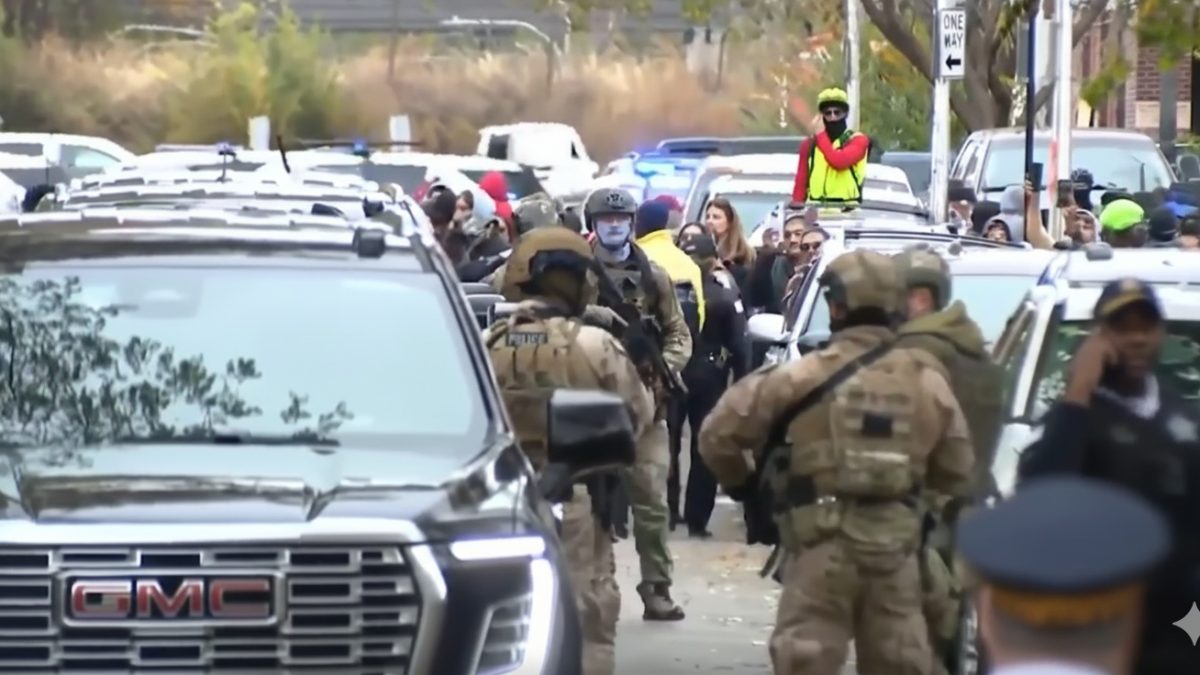
A manhunt is underway after a gunman fired at U.S. Border Patrol agents during an immigration operation near 26th Street and Kedzie Avenue in Little Village; crowds threw paint cans and bricks and chemical agents were used to disperse the scene.
- 26th Street and Kedzie Avenue, Little Village, Chicago: location of the incident.
- Shots fired at U.S. Border Patrol agents: reported during an immigration enforcement action; officials say no injuries occurred.
- Crowd behavior: paint cans and bricks thrown at federal vehicles; chemical agents used to disperse the crowd.
- Unknown male driving a black Jeep: suspect description; remains at large.
- Chicago Police Department response: assisted Border Patrol; manhunt ongoing.
What happened
Federal Border Patrol agents were conducting an immigration enforcement operation on the morning of Nov. 8 when gunfire was reported near 26th Street and Kedzie Avenue in Little Village.
Federal officials say a person in a vehicle fired at agents and then fled. Video shared with outlets captures chaos on the street as officers and bystanders scramble after the shots were fired; officials reported no injuries in the shooting. Border Patrol identified the fleeing vehicle as a black Jeep and launched a manhunt immediately. Raw footage circulated online showing the vehicle leaving the scene.
Crowd clashes and dispersal
After shots were reported, tensions escalated. DHS and scene video indicate people in the crowd threw objects — including at least one paint can and multiple bricks — at federal vehicles. In response, officers deployed chemical agents to disperse the crowd. Local reporting and federal statements document the confrontation and the resulting dispersal actions. Officials described the scene as volatile. (source)
Manhunt and suspect description
Authorities say the shooter is an unknown male who fled in a black Jeep. Officials have not released additional identifying details and have appealed to the public for tips. Chicago Police and federal agents maintained a visible presence while canvassing for evidence and witnesses; the suspect remained at large as of the latest updates. For visual context, see video shared with news outlets.
Source material and on-the-ground reporting
The account is built from local reporting, bystander video, and federal statements. WTTW documented timelines and official statements noting no reported injuries and the crowd’s actions. Footage used by authorities appears to show both the shooting and the black Jeep departing the scene. Officials continue to cross-check video, witness accounts, and on-scene reports to refine the timeline.
DHS messaging and federal perspective
DHS framed the attack as part of a broader pattern of increased aggression toward federal law enforcement during immigration operations. In statements tied to the Little Village shooting, the department called for an end to attacks and obstruction aimed at agents. Federal officials emphasized the scene was dynamic and urged anyone with information — especially those who recorded footage or the vehicle — to contact law enforcement. (video/source)
Judicial and legal backdrop
The incident occurs amid legal debate over federal tactics in cities like Chicago. Recent court rulings have extended restrictions on federal immigration agents’ use of riot-control weapons, and judges have at times questioned government claims of widespread violence. One ruling by Judge April Perry blocked deployment of the National Guard to assist immigration enforcement in Illinois, saying there was “no credible evidence that there is a danger of rebellion in the state of Illinois.” These developments frame how federal and local authorities may respond going forward. See reporting on legal limits: restrictions on riot-control weapon use.
Questions for investigators
- Who fired the shots, and was the shooter targeting agents specifically? (video evidence)
- What role did the crowd play before and after the shooting — organized or spontaneous? (local reporting)
- Did Border Patrol follow department policy on chemical agents and crowd control in this incident? (legal context)
- How will courts and local officials balance claimed threats to agents against civil-liberties concerns?
Local community impact and witness accounts
Residents and community leaders described fear and confusion. Neighbors reported hearing gunfire and seeing large numbers of law enforcement vehicles and federal agents. Community organizations serving immigrants said the incident increased alarm and could discourage residents from reporting crimes or cooperating with authorities when immigration activity is present. Journalists documented people yelling and throwing objects at federal vehicles after the shooting, which contributed to the decision to use chemical dispersants. Community trust and safety remain central concerns. (report)
Implications for Las Vegas, Nevada
The Little Village shooting carries several possible implications for Las Vegas:
- Public safety and policing: Local agencies may need to plan for coordination requests if federal enforcement increases their visible footprint in other cities. (WTTW coverage)
- Community trust and immigrant services: Fear of federal operations can reduce reporting and access to services; nonprofits and police should prepare outreach and reassurance plans.
- Legal and civil-liberties debate: Nevada courts and officials may confront similar questions about oversight and limits on riot-control tools. (legal context)
- Political consequences: Urban moderates may weigh public safety against civil-rights protections, shaping local policy and debate.
- Practical guidance: Residents should avoid active scenes, preserve and share footage or tips with authorities, and consult community hotlines or legal resources if concerned. (example footage)
Reporting and next steps
Investigators from local and federal agencies continue to collect evidence, review video, and interview witnesses. Officials have asked anyone with footage or tips about the black Jeep or the suspect to contact law enforcement. Journalists will monitor court filings and official briefings to see whether the shooting prompts policy reviews or additional operations. For timeline and official statements, see WTTW’s reporting and circulated video evidence.
“The violence must end,” DHS said in statements framing recent assaults and obstruction as a growing pattern requiring attention.
If you have tips or footage: contact local law enforcement and federal investigators; preserve original files and timestamps. All leads relevant to the black Jeep or the shooter are being sought by authorities.