Trump orders nuclear weapons testing, directs Pentagon to begin “on an equal basis” with Russia and China
President Donald Trump ordered the Pentagon to begin nuclear weapons testing, citing recent Russian missile activity and China’s expanding arsenal — a dramatic policy shift that risks renewing an international arms race and raising diplomatic tensions.
Key takeaways
- Trump announced a directive for the Defense Department to begin “nuclear weapons testing” to match perceived activity by Russia and China. Source
- U.S. live detonations have not occurred since 1992; Russia’s last detonation was 1990 and China’s 1996 — all three signed but did not ratify the CTBT. Source
- Officials have not disclosed details, locations or timelines; Pentagon must decide whether “testing” means subcritical experiments, simulations, component tests, or live detonations. Source
What the president ordered and how he explained it
In a public post on social media, President Trump instructed the Pentagon to begin “nuclear weapons testing” so the United States would be “on par” with other major powers. The announcement came just before a scheduled meeting with Chinese President Xi Jinping at the APEC summit in Gyeongju, South Korea. Source
What “testing” might mean in practice
Pentagon officials were expected to evaluate technical and legal options, including:
- Subcritical experiments (no nuclear yield),
- Computer simulations and laboratory diagnostics,
- Weapons component tests that stop short of detonations, or
- A return to live detonations (underground or atmospheric), which would be a marked policy reversal. Source
Why Russia’s missile test matters — and why it is not the same as a nuclear explosion
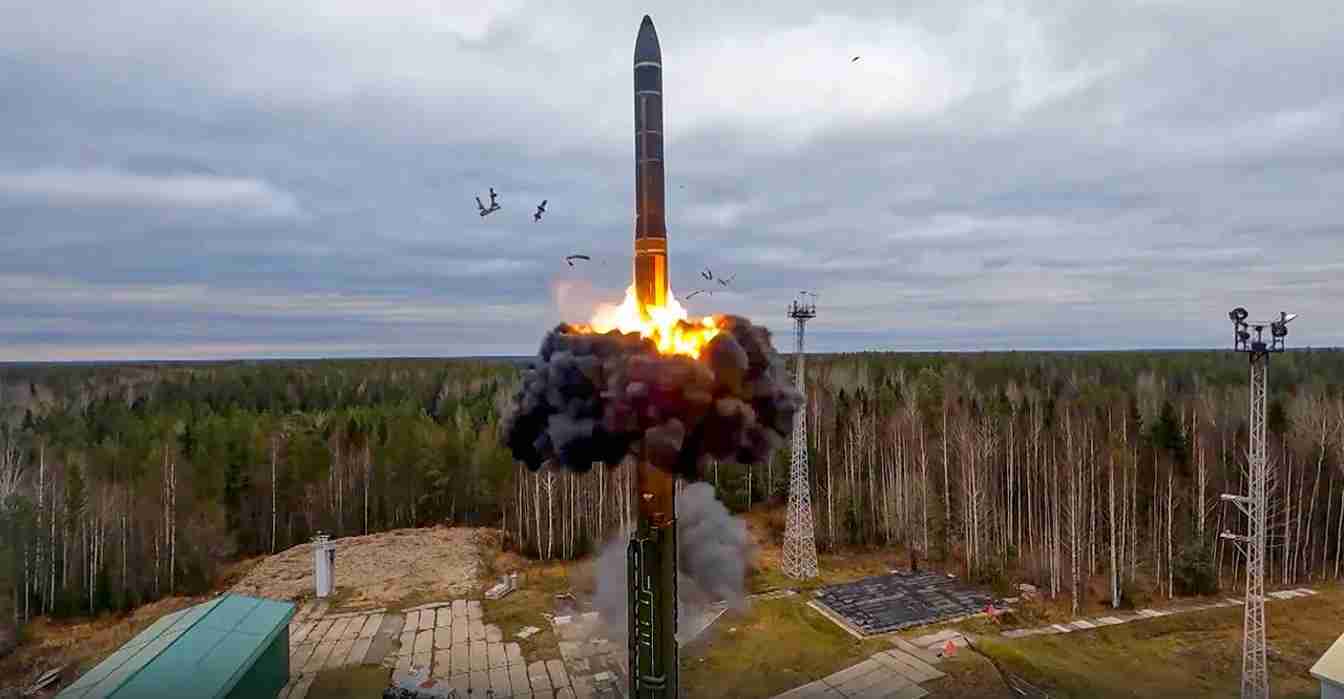
The Russian test cited by the administration involved a nuclear-powered cruise missile concept, reported to have been tested on Oct. 21 and described by Moscow as successful. Analysts caution this is a propulsion test, not a live nuclear warhead detonation — a crucial technical and legal distinction. Source
Analyst note: missile engine or delivery-system tests do not equate to underground or atmospheric nuclear blasts; the latter are what treaties and norms typically refer to as “nuclear testing.”
A brief history: U.S. testing and the CTBT
The United States last conducted a nuclear detonation in 1992. Russia’s last known detonation was in 1990 and China’s in 1996. Since then, major nuclear powers have relied on subcritical tests, lab work and simulations to evaluate warhead performance. The Comprehensive Nuclear-Test-Ban Treaty (CTBT) bans all nuclear explosions but has not entered into force because key states have not ratified it; the U.S., Russia and China signed but did not ratify the treaty. Source
Global fallout: what restarting tests could mean internationally
Analysts warn that resuming live nuclear testing could:
- Prompt reciprocal moves by other states and weaken arms-control regimes,
- Strain alliances and complicate diplomacy with China and Russia, and
- Reduce confidence in nonproliferation norms and the CTBT framework. Source
Questions about timing, legality and testing methods
Key unanswered items include whether tests would be underground or atmospheric, full-yield or subcritical, and which legal pathways the Pentagon would pursue. A return to live detonations would trigger environmental reviews, interagency coordination, and significant diplomatic costs including potential sanctions or reciprocal actions. Source
Past 21st-century detonations and precedents
Outside the Cold War, few states have resumed live nuclear testing. India and Pakistan conducted tests in 1998; North Korea tested in the 2000s and 2010s — events that prompted international condemnation and sanctions. Source
Administration response and domestic politics
At the time of reporting, the White House had not released a full policy paper or legal justification. The president’s social media post set the immediate political frame while Pentagon and State Department officials were expected to supply technical and legal detail. The announcement’s timing — before a major meeting with China and amid a government shutdown — raised questions about interagency coordination and oversight. Source
Implications for Las Vegas, Nevada
Nevada’s history with nuclear testing and its economic ties to tourism and federal contracting mean the state’s residents and leaders could feel immediate effects if testing plans advance. The impacts span economic, political, social and cultural domains:
Economic impact
- Tourism and conventions: Short-term unease could reduce bookings and travel for hotels, shows and trade events;
- Defense contracts: Nevada hosts facilities and contractors tied to federal defense work — new programs could shift procurement and local job prospects.
Political consequences
- Nevada’s status as a swing state means local leaders and candidates will be pressured to explain impacts on public safety and national security,
- State and local officials may call for hearings and transparency if federal plans suggest testing on U.S. soil.
Social effects
- Public anxiety: Communities near historic test sites may experience renewed fear and calls for health monitoring,
- Emergency preparedness: Local managers and health agencies may need to communicate monitoring and safety plans.
Cultural relevance
The legacy of Nevada’s test-site era resonates with families and advocacy groups. The prospect of renewed testing can mobilize community organizations and revive long-standing cultural memories of fallout and health concerns.
Practical applications for residents
- Travel and events: Monitor updates from employers and event organizers for cancellations or changes,
- Jobs and contracting: Contractors may see new requests for proposals in engineering, construction, and environmental monitoring,
- Health monitoring: State and local health departments could hold town halls and publish guidance if plans progress.
Reporting note and sources
This reporting summarizes coverage that President Trump ordered Pentagon nuclear tests citing Russian missile tests and China’s growing nuclear capabilities. For more details, see the original report.