Two U.S. Navy aircraft crash in separate South China Sea incidents; all crew rescued
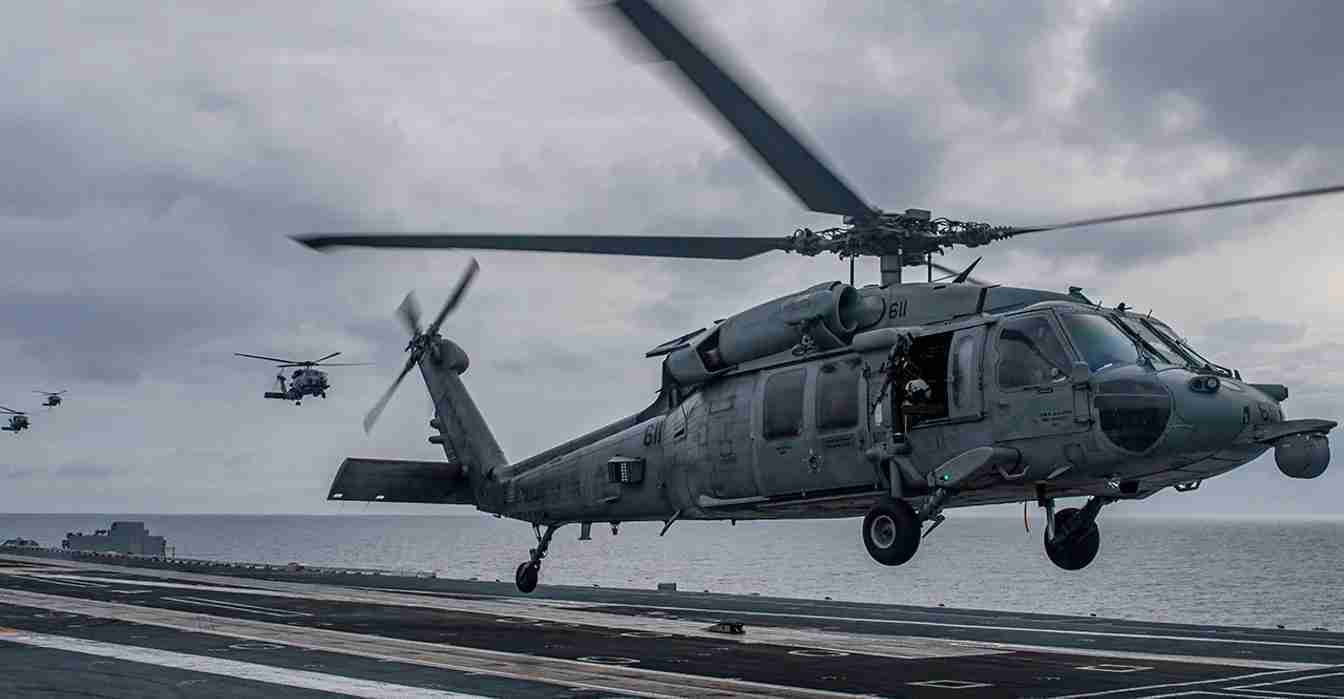
In a rare sequence of mishaps on Oct. 26, 2025, an MH-60R Sea Hawk and an F/A-18F Super Hornet went down during USS Nimitz flight operations in the South China Sea; all five crew were rescued and are reported in stable condition.
Key takeaways
- Two separate mishaps: An MH-60R Sea Hawk and an F/A-18F Super Hornet crashed within ~30 minutes on Oct. 26, 2025, while operating from USS Nimitz (Stars and Stripes, CBS News, Task & Purpose).
- All crew rescued: Three helicopter crewmembers and two Super Hornet pilots were recovered by Carrier Strike Group 11 search-and-rescue assets and are in stable condition (CBS News, ABC30).
- Investigations open: Navy investigators have launched separate inquiries; no confirmed link between the two events has been announced (Task & Purpose).
Timeline and immediate response
Sequence of events:
~2:45 p.m. local: An MH-60R Sea Hawk from Helicopter Maritime Strike Squadron (HSM) 73, the “Battle Cats,” went down during routine carrier flight operations. Carrier Strike Group 11 search-and-rescue elements responded rapidly, recovering all three crewmembers for medical evaluation (YouTube video, Task & Purpose, Stars and Stripes).
~3:15 p.m. local (about 30 minutes later): An F/A-18F Super Hornet from Strike Fighter Squadron 22 (VFA-22), the “Fighting Redcocks,” experienced a mishap. Both pilots ejected and were rescued by the carrier group’s rescue teams and brought aboard for care (Task & Purpose, Stars and Stripes).
Outcome: All five service members were recovered and are reported in stable condition.
Units and deployment background
Both aircraft were part of Carrier Air Wing 12 aboard USS Nimitz. The squadrons—HSM-73 and VFA-22—are California-based. The Nimitz Strike Group deployed to the Indo-Pacific earlier in October and had conducted operations in multiple theaters this year (Task & Purpose).
Carrier-based flight operations are inherently complex and high tempo. While routine maintenance and training are constant, two separate mishaps within a half hour are highly unusual and have prompted senior Navy attention (Stars and Stripes).
Rescue operations and crew status
Carrier Strike Group 11 search-and-rescue teams executed swift recoveries in both events. All rescued crewmembers were taken aboard USS Nimitz for medical checks and treatment; Navy officials described their conditions as stable (CBS News, ABC30).
Investigations and open questions
The Navy has opened separate investigations into both mishaps. At this stage, causes remain unknown. Typical inquiries will examine mechanical systems, maintenance logs, weather, human factors, and carrier deck operations (Task & Purpose).
Investigators will assess whether shared factors—such as deck conditions, flight scheduling, or maintenance practices—played any role, though officials have not indicated a direct link between the two incidents.
Historical context and operational risk
Carrier aviation carries inherent risk. Past F/A-18 mishaps have occurred under varied circumstances, from weather to combat-related events. While such incidents are relatively rare, they trigger broad safety reviews across naval aviation (Task & Purpose).
This pair of mishaps — so close in time — will likely intensify scrutiny of fleet readiness and maintenance policies as investigators determine whether these events were isolated or symptomatic of larger issues.
USS Nimitz incidents and regional context
The USS Nimitz Carrier Strike Group is part of the U.S. naval presence in the Indo-Pacific. Incidents in prominent waterways like the South China Sea attract attention from regional partners and media. The Navy’s transparency about rescue efforts and the investigations will be critical to maintaining public and allied trust (Task & Purpose, Stars and Stripes).
Implications for Las Vegas, Nevada
Local relevance: Many service members, veterans, and military families live in Las Vegas. News of these mishaps may resonate with local communities and veteran organizations, which often mobilize to provide support and resources.
Workforce & industry: Changes in Navy operations or safety reviews can ripple to defense contracting and support services, potentially affecting Nevada-based firms and employment programs.
Political response: Local leaders and lawmakers may seek transparency on fleet readiness and aviation safety when engaging with Defense Department officials.
Community support: The successful rescues will be welcomed; veteran service organizations in Las Vegas may offer counseling and logistical aid to affected families.
Reporting and source notes
This account is based on initial public reporting and Navy statements. Key public sources include: Stars and Stripes, CBS News, Task & Purpose, ABC30, and video coverage of rescue operations (YouTube video).
The Navy confirmed the MH-60R Sea Hawk and F/A-18F Super Hornet were operating from USS Nimitz and that all crew were rescued and reported stable. Investigations remain ongoing.