IDF fortifies yellow line as Hamas tunnel threat raises stakes and Gaza cease-fire strains
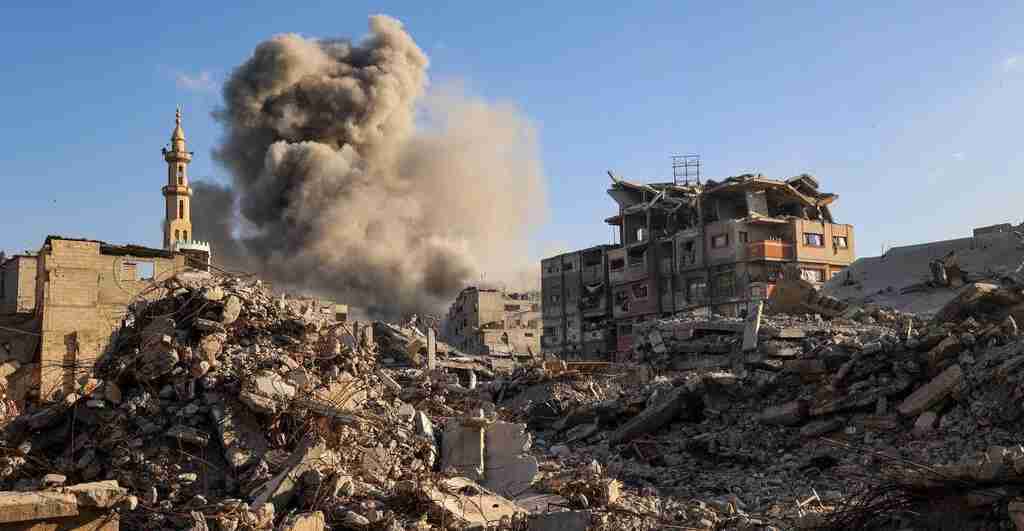
The Israeli Defense Forces have reinforced a second-line barrier known as the “yellow line” near the Gaza border, deploying engineers and surveillance to counter suspected Hamas tunnel activity amid growing concerns that such moves may strain a fragile cease-fire.
- Defensive buildup: Engineering units, sensors and barriers have been added to yellow line positions to detect and deter tunnel threats.
- Cease-fire tensions: Palestinian leaders and mediators warn the militarization risks undermining a fragile truce and complicating aid delivery.
- Humanitarian concern: Agencies say increased activity could disrupt convoys and worsen civilian hardship inside Gaza.
- Local ripple effects: Las Vegas communities may feel indirect economic, political and social impacts tied to escalation.
What the “yellow line” means
Yellow line is an IDF term for defensive positions set back from the immediate border fence. Unlike frontline outposts at the fence, these positions sit deeper inside Israeli territory as a buffer for observation, response and fallback.
Military planners describe the yellow line not as a single public trench but as a flexible system of patrol bases, fortified berms, observation posts and vehicle barriers. Recent reinforcements include sensors, concrete obstacles and rapid-response routes to cover suspected tunnel access points.
Fortifications and technology being deployed
- Anti-tunnel barriers: Earthworks and physical obstacles placed in suspected infiltration corridors to hinder digging.
- Sensors: Seismic and acoustic detectors aimed at identifying digging, movement or tunnel-boring activity.
- Enhanced surveillance: Increased drone patrols, ground radar and manned observation posts to spot unusual ground disturbances.
- Rapid-response drills: Units trained to reach and secure breaches quickly if tunnel activity or infiltration is detected.
“These measures are necessary defensive precautions to protect Israeli communities from tunnel threats,” an IDF spokesperson told Times Media Service, stressing the steps are intended to prevent surprise attacks that could trigger wider reprisals.
Hamas tunnel threat: why it matters
Hamas has historically used tunnels for attacks, smuggling and movement of fighters. Tunnel networks can be deep, reinforced and difficult to detect; even a single tunnel reaching under or near a yellow line position could enable militants to move close to Israeli forces or civilian areas.
Analysts note detection challenges and the potential for tunnels to be layered beneath civilian infrastructure, which makes the IDF’s preventive posture a priority to avoid civilian casualties and a broader military escalation.
Cease-fire strains and reactions
International mediators — including envoys from Egypt, Qatar and the United Nations — have urged restraint and verification steps. Palestinian leaders and Hamas representatives view the buildup as provocative, warning it risks unraveling the truce.
Humanitarian agencies caution that increased militarization may limit movement, intensify checkpoints, and complicate aid delivery for food, fuel and medical supplies to civilians in Gaza.
Strategic calculations and the risk of escalation
Israeli planners argue the fortifications are preventive: hardening possible access points now reduces the risk of surprise incursions that historically prompt heavy responses. However, analysts warn that each defensive move near the border can be read politically and could itself become a flashpoint.
For many Palestinians and international observers, additional militarization signals readiness for further operations that may unravel the fragile cease-fire.
Reporting and verification
This story draws on reporting from Times Media Service and public statements from military, Palestinian and international diplomatic sources. For background on tunnel networks and past conflicts that shaped the current posture, see reporting and analyses from international outlets and humanitarian agencies listed below.
Implications for Las Vegas, Nevada
Although geographically distant, Las Vegas may see indirect effects across economic, political and social spheres as global tensions shift visitor patterns, philanthropic priorities and community dynamics.
Economic impact
- Tourism sensitivity: A sharp escalation could influence travel demand from certain regions and affect conventions or high-profile events.
- Philanthropy: Local fundraising may be redirected to emergency relief, potentially straining other social services.
Political consequences
- Constituent pressure: Elected officials may be pressed to take clearer stances or advocate for humanitarian aid.
- Local debate: Topics such as refugee assistance, immigration policy and public safety could intensify.
Social effects
- Community tension: Jewish and Palestinian communities in Las Vegas may experience heightened emotions, demonstrations or vigils.
- Support services: Increased demand for counseling and safety guidance at schools, places of worship and community centers is likely.
Cultural relevance
Local arts, media and community groups may host panels, film screenings and forums to explore the human impact of tunnel warfare and border fortifications, helping residents better understand the stakes.
Practical applications for residents
- Travel advisories: Monitor U.S. State Department alerts and airline updates before traveling to the region.
- Charitable giving: Vet humanitarian organizations carefully and consider long-term support for groups operating on the ground.
- Community safety: Local leaders and law enforcement may increase outreach to prevent hate crimes and ensure peaceful expression.
Sources and further reading
- IDF official site
- United Nations Office for the Coordination of Humanitarian Affairs (Occupied Palestinian Territory)
- Reuters — Middle East coverage
- AP News — Middle East
- BBC — coverage of Gaza and tunnels
(Reporting by Times Media Service from Gaza City; additional reporting and analysis by regional and international outlets listed above.)