
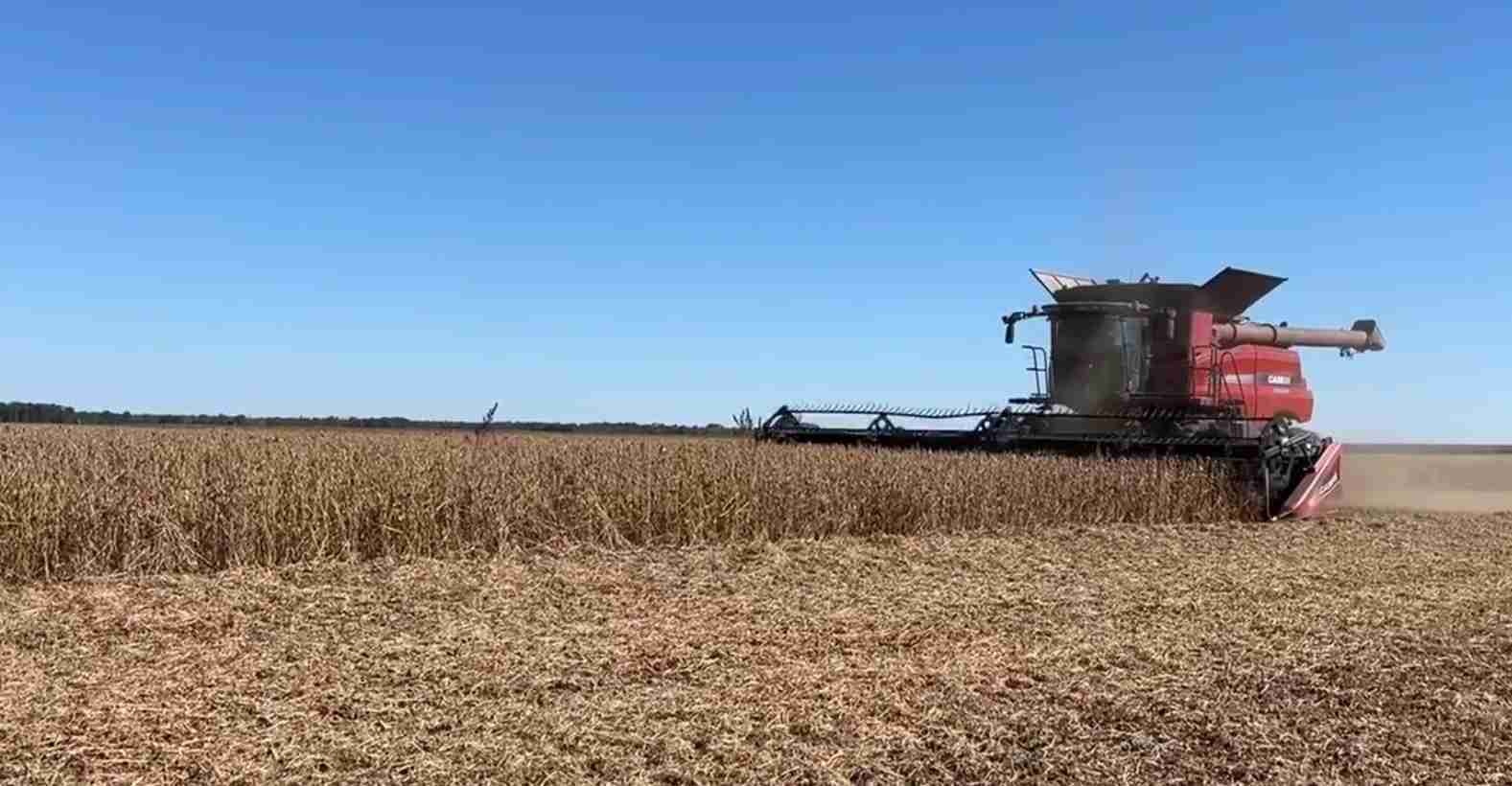
Trump denounces China soybean cuts as “economically hostile,” threatens to halt cooking oil trade with China
Former President Donald Trump condemned China’s cuts to U.S. soybean purchases as an “economically hostile” act and warned he may halt cooking oil imports and other trade with China, framing the move as U.S. self-sufficiency and retaliation.
- Trump labeled China’s soybean purchase reduction an “Economically Hostile Act” and said he is considering stopping cooking oil trade with China — comments reported by Fox Business.
- The American Soybean Association (ASA) notes China has been the world’s largest buyer of soybeans, while South American producers have filled much of the gap (Fox Business).
- Trump framed a cooking oil import halt as a demonstration of U.S. self-sufficiency — “we can easily produce Cooking Oil ourselves” — while experts call such steps largely symbolic unless formally enacted (Fox Business).
What happened: China’s move and Trump’s response
Background: In spring, China sharply reduced purchases of U.S. soybeans, a shift rooted in broader trade tensions that began during the 2018 tariff battles. Buying patterns moved toward South American suppliers such as Brazil and Argentina, reducing U.S. market share (Fox Business).
Trump’s public reaction: On Truth Social, Trump called the reduction an “economically hostile act” and threatened to cut off imports of cooking oil from China and consider other trade limits. He wrote:
“We are considering terminating business with China having to do with Cooking Oil, and other elements of Trade, as retribution… we can easily produce Cooking Oil ourselves, we don’t need to purchase it from China.”
Impact on American soybean farmers
Soybeans are a major U.S. agricultural export. The American Soybean Association reported that China sourced roughly 61% of the world’s traded soybean supply in recent years and at times purchased nearly 28% of U.S. production. After the 2018 trade war, exports to China fell sharply, partially recovered during the pandemic, then fell again in 2023–24 (Fox Business).
Economic risks: Analysts and farm groups warn that losing China as a buyer lowers U.S. soybean prices and squeezes farm incomes. Scott Gerlt, ASA chief economist, warns South American exporters are expanding capacity to meet China’s long-term demand, which could shrink U.S. market share even after tensions ease (Fox Business).
Who is most vulnerable: Newer and younger farmers with less land and smaller cash reserves face tighter margins and increased financial stress. The ASA has suggested federal trade aid may be needed to help farmers weather the disruption (Fox Business).
Trade dynamics and geopolitics
Trump framed China’s shift as a deliberate strategy to undercut the U.S. while building ties with South American suppliers. Experts note trade policy mixes economics and geopolitics: buying patterns change for price, yields, and diplomatic reasons. Stopping cooking oil trade would be a targeted move — narrow but pointed — because cooking oil is largely a fungible commodity and the U.S. also produces edible oils domestically.
Potential ripple effects: Punitive trade steps can protect some domestic producers but also raise costs for consumers and manufacturers dependent on imports, and could trigger retaliatory measures.
Policy status: threats, not actions
As of this report, Trump’s remarks are public statements and threats. No formal policy or executive action to halt cooking oil imports from China has been reported. Any ban would require formal trade procedures and could prompt legal and diplomatic responses, and possible countermeasures.
Implications for Las Vegas, Nevada
Economic ripple effects: While Las Vegas is not a soybean production center, it is sensitive to food and energy price swings. Restaurants, hotels, casinos and food-service suppliers use cooking oils at scale. Disruption or price increases could mean higher menu prices, tighter margins for independent restaurants, or increased costs for large operators.
Consumer impacts: Grocery and packaged-food prices that use soybean oil could rise modestly. For households already coping with inflation, even small increases in staple food costs matter.
Supply chain and freight: Las Vegas depends on long supply lines from West Coast ports. Major shifts in U.S.–China trade could alter container flows, port congestion and freight rates, affecting timely deliveries.
Political and local aid implications: Nevada leaders and voters may react to federal policy choices if farm aid is proposed or if local businesses face rising costs. Support messaging for “American soybean farmers” could resonate politically.
Practical scenarios:
- Restaurants may change suppliers or menus to manage costs.
- Grocery prices for staples containing soybean oil might rise slightly.
- If federal farm aid is pursued, local outreach and budget debates could follow.
Source links and attribution
This article draws on reporting of Trump’s statements and trade context from Fox Business. The American Soybean Association’s assessments and comments from ASA chief economist Scott Gerlt are cited in that coverage (Fox Business).
Additional context for readers
– The U.S. exports a significant share of its soybean crop; demand shifts from major buyers can quickly move prices and farm incomes.
– Trade disputes can involve tariffs, quotas and diplomatic actions; public threats are sometimes negotiation tactics or political posturing.
– Any formal U.S. action to ban imports would require legal steps and could prompt countermeasures from trading partners.
Update note: This story will be updated with new information, including any formal trade actions or federal responses affecting American soybean farmers and related supply chains (Fox Business).



