Judges push for wide discovery as Trump Comey prosecution faces claims of political targeting
Judges are pressing for broad pretrial discovery as legal challenges mount in the Trump prosecution of former FBI Director James Comey, with claims of political targeting, DOJ internal resistance and leadership changes threatening the indictment’s survival.
Key takeaways
- Judicial scrutiny: Judges may order broad discovery to determine whether political pressure affected charging decisions.
- Internal resistance: Career prosecutors in the Eastern District of Virginia reportedly opposed the indictment and circulated a memo against charges.
- Leadership changes: Replacement of a balking U.S. attorney with a perceived political loyalist has intensified claims of subservient prosecution.
- Possible consequences: If discovery shows improper influence, charges could be dismissed and retrial barred by double jeopardy protections.
Pressure from the president and selective prosecution claims
Defense lawyers point to a public record of statements by former President Donald Trump naming James Comey and demanding prosecution, which they say creates a strong factual basis to argue the case was politically motivated. Reporters and legal analysts note that Trump repeatedly singled out Comey and other political rivals in public statements, producing a paper trail the defense will use to pursue selective and vindictive prosecution claims.
Coverage of this angle is detailed in reporting by The Daily Beast and analysis referenced by other outlets. Legal sources told reporters that the president’s public demands make it easier for Comey’s team to argue prosecutors targeted him for political reasons rather than neutral law-enforcement motives.
“Selective prosecution claims argue prosecutors targeted Comey for discriminatory reasons, like politics, rather than based on evidence of a crime.”
Leadership changes and internal DOJ resistance
Reporting indicates that senior, career prosecutors in the Eastern District of Virginia initially resisted bringing charges. Those prosecutors reportedly circulated a memo explaining why an indictment was unwarranted, according to CBS News.
The U.S. attorney who balked at pursuing the case, Erik Siebert, was replaced by Lindsey Halligan — described in reporting and legal analysis as a Trump loyalist with less prosecutorial experience. Critics and analysts, including the Brennan Center for Justice, warn that such leadership swaps risk creating the appearance of subservient prosecutors and undermine claims of prosecutorial independence.
Legal analysts say: replacing career prosecutors with politically aligned appointees to secure an indictment can undercut the government’s assertion that the prosecution was insulated from political direction.
The charges and Comey’s defense
Comey was indicted on two counts tied to his 2020 testimony: making false statements to Congress and obstructing a congressional proceeding. A third potential charge was reportedly rejected by the grand jury, which the defense may emphasize when challenging the strength of the case (CBS News).
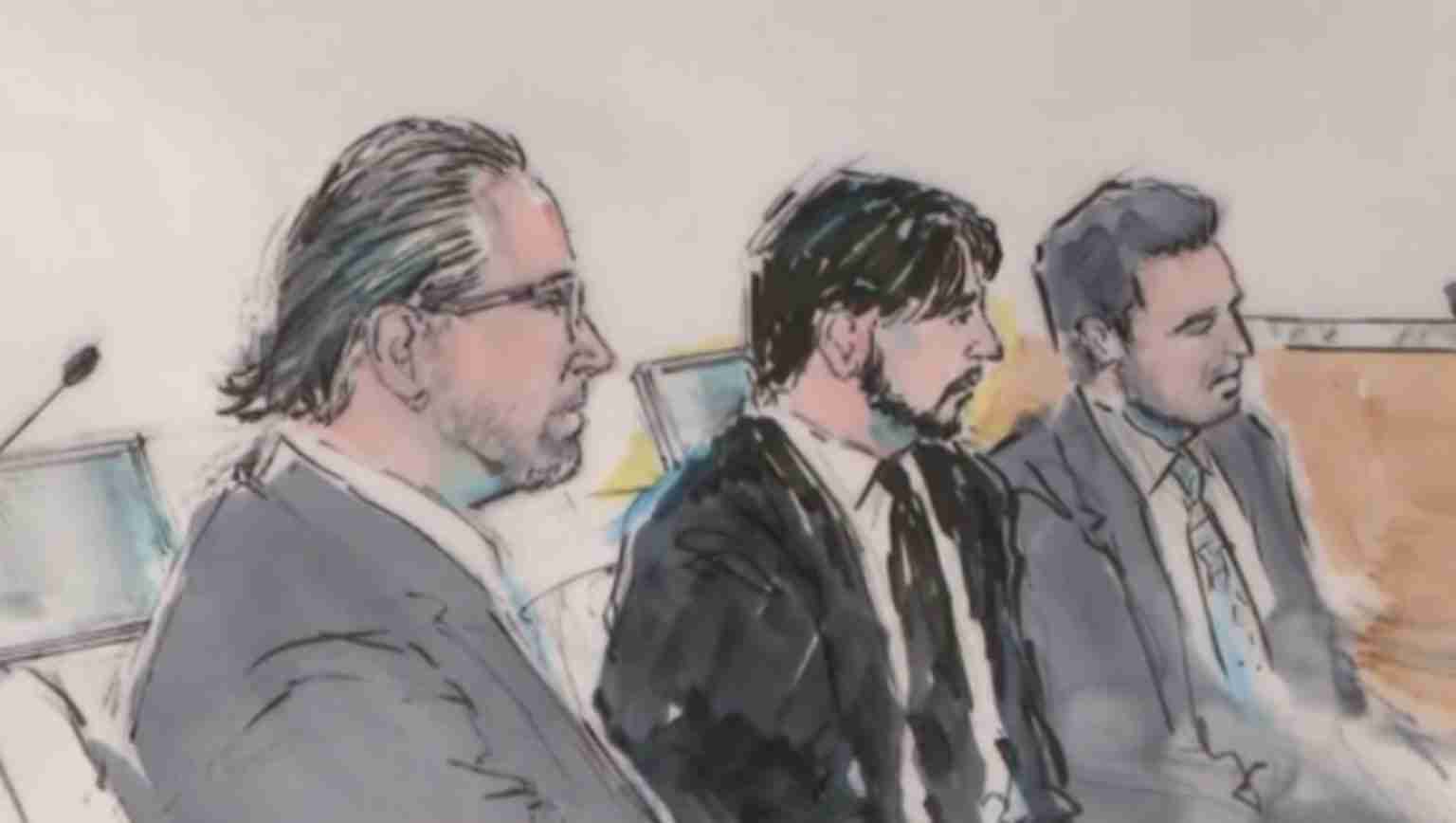
Comey denies wrongdoing and has assembled high-profile counsel expected to press aggressive pretrial challenges, focusing on the public record of presidential pressure and internal DOJ opposition as central to motions to dismiss on selective or vindictive-prosecution grounds (Brennan Center for Justice).
Judge’s role in discovery and possible outcomes
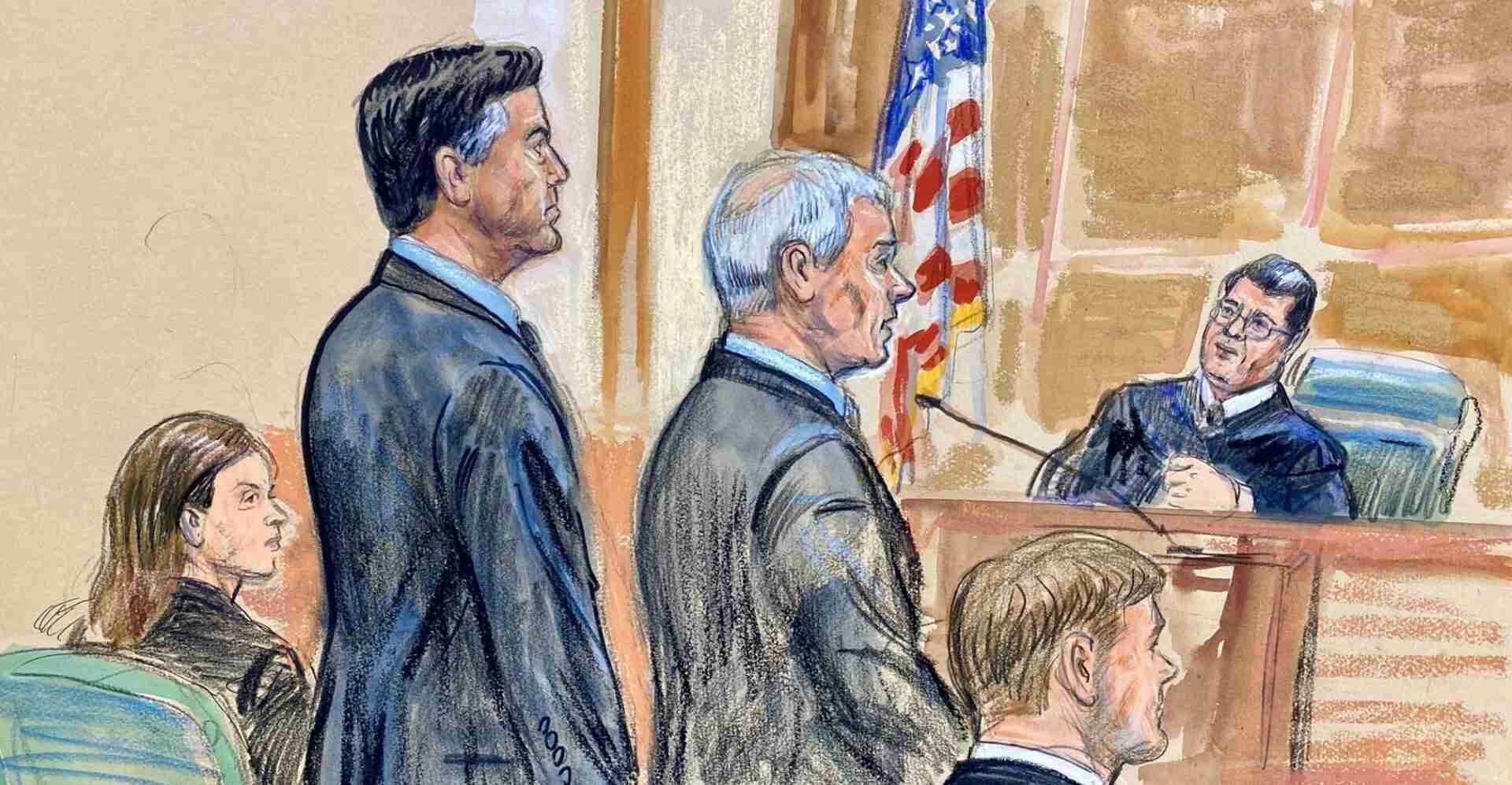
Judges presiding over pretrial matters have signaled they may order the government to produce internal DOJ records — emails, memos and communications — that could reveal whether the White House or its allies influenced the charging decision. Reporters note this potential wide discovery could be pivotal (The Daily Beast).
If discovery reveals improper political influence: judges could dismiss the charges before trial. A dismissal on selective or vindictive-prosecution grounds could bar retrial under double jeopardy protections — a significant legal defeat for the administration and a lasting ruling on DOJ independence.
What legal observers are watching
- Whether the court compels production of internal DOJ documents and communications (The Daily Beast).
- How judges apply selective and vindictive prosecution law when presidential public statements are part of the record (Brennan Center for Justice).
- The role of the grand jury in rejecting a third proposed charge and what that suggests about the government’s case strength (CBS News).
Implications for Las Vegas, Nevada
Economic impact: Nevada’s economy — driven by tourism, gaming and hospitality — can be sensitive to political risk and market confidence. A high-profile legal fight in Washington that raises doubts about DOJ independence could shift enforcement priorities and resource allocation, with potential downstream effects on industries reliant on federal oversight or contracts in Nevada.
Political consequences: Las Vegas voters, who lean urban-moderate, may press local leaders for commentary. How Nevada’s federal representatives respond could shape campaign messaging if selective prosecution is framed as a threat to fair law enforcement.
Social effects: The case fuels debate about fairness in the justice system. Local civic groups, legal clinics and civil-rights organizations in Las Vegas may use the episode to push for reforms or oversight of federal prosecutorial appointments.
Cultural relevance & practical advice: Residents value institutions that protect fairness and rule of law. Nevada lawyers, law students and engaged citizens should watch court filings and discovery orders closely; a broad discovery order could establish precedent about when presidential statements cross into improper influence.
Sources and further reading
- The Daily Beast: Judges reveal how Donald Trump’s big mouth could blow up his case against James Comey
- CBS News: Trump attacks on Comey and leadership shifts in Virginia prosecutors’ office could undermine case
- Brennan Center for Justice: Comey indictment shows danger of subservient prosecutors
Legal watchers emphasize that the path forward depends heavily on what the court permits in discovery and what those records show about decision-making inside the DOJ and the White House. If evidence points to political control of prosecutorial choices, the Trump–Comey prosecution could be dismissed before trial, raising lasting questions about DOJ independence and the standards that separate politics from prosecution.