Hamas accepts key parts of U.S. Gaza peace plan, but disarmament and governance remain major obstacles
Hamas says it accepts key humanitarian elements of the U.S. Gaza plan, including a prisoner swap and immediate talks, but refuses to commit to demilitarization — leaving governance and disarmament as major, unresolved obstacles for a durable peace.
- Prisoner-swap agreement: Hamas accepts a U.S. formula exchanging all Israeli hostages, living and dead, for 250 Palestinian prisoners (Mondoweiss; video statements).
- Immediate negotiations: Hamas signaled readiness for talks mediated by Qatar and Egypt to set timelines and verification (Mondoweiss; video statements).
- Major obstacles persist: The group did not agree to demilitarize or surrender weapons, and tied any administration transfer to national consensus and regional backing (Mondoweiss).
What Hamas says it accepted
Hamas released a statement saying it accepts several humanitarian and process items of the U.S. plan. That includes a Gaza prisoner exchange in which “all Israeli hostages, alive and deceased” would be released in return for 250 Palestinian prisoners held by Israel. The group also expressed willingness to start immediate negotiations, with Qatar and Egypt working as mediators, to set the details and timeline for the swap and a ceasefire (Mondoweiss; video statements).
Hamas also said it would consider handing over civil administration of Gaza to a commission of independent Palestinian technocrats — but only based on national consensus and approval by Arab and Islamic states. The statement welcomed international efforts to halt fighting, expand humanitarian access, and oppose mass displacement of Palestinians (Mondoweiss).
“The group framed any transfer as conditional, not unconditional surrender of political authority.”
What Hamas did not accept
Most critically, Hamas made no commitment to disarm. The group did not indicate it would give up weapons or accept a full demilitarization of Gaza — a central demand from both the U.S. plan and Israeli leaders. That omission remains the primary Gaza disarmament obstacle that could derail broader political steps (Mondoweiss; video statements).
Hamas also rejected or did not address proposals for an external trusteeship, a U.S.-led “peace board,” or international/Arab forces to oversee demilitarization. The group described long-term decisions about Gaza’s future and Palestinian rights as matters for unified Palestinian consultation and international law, not unilateral foreign oversight (Mondoweiss).
Reactions from Washington, Jerusalem and regional mediators
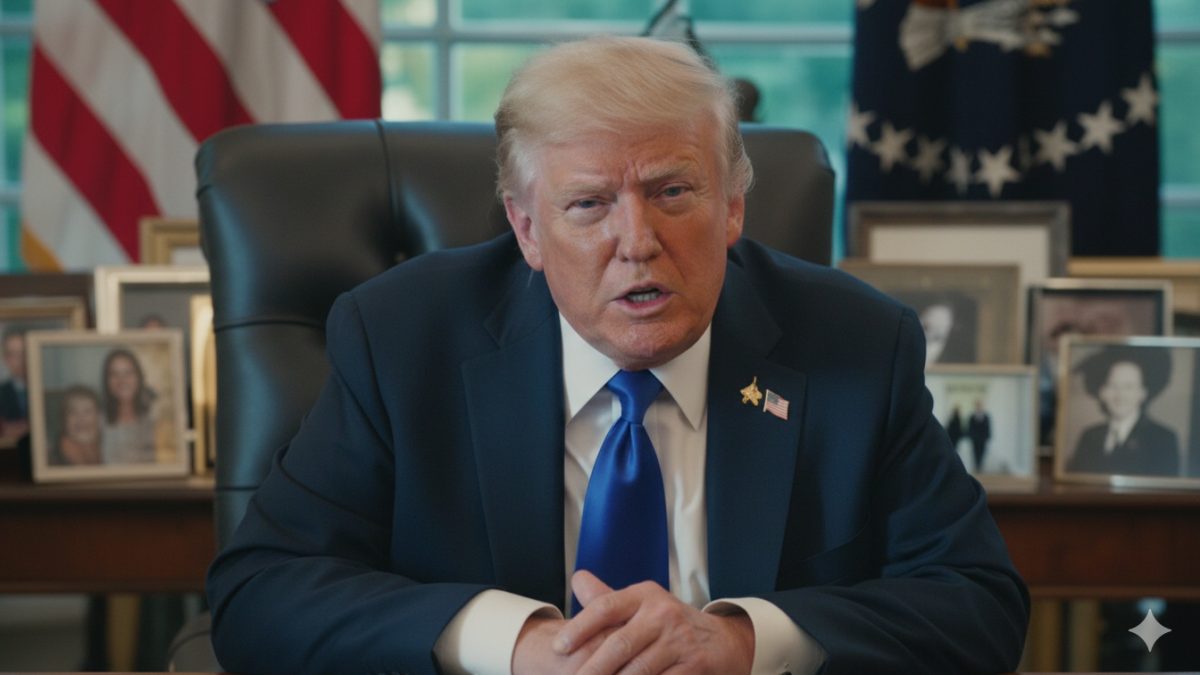
President Trump called the development an “unprecedented day” and publicly urged Israel to stop its bombing campaign so hostages could be safely freed and negotiations could begin. He praised Arab and Muslim states for their roles in pushing talks forward (Mondoweiss; video).
Israeli reactions were mixed: some officials signaled readiness to move forward with initial steps, including a prisoner exchange, while others warned that Hamas’s refusal to disarm and unclear timelines made the plan incomplete. Reports indicate fighting in Gaza continued after the announcement, underlining the gap between diplomatic statements and events on the ground (Mondoweiss; video reports).
Egypt and Qatar — key mediators — signaled optimism and said they would work to arrange and host talks. Palestinian civilians in Gaza expressed relief and cautious hope, while many analysts warned the acceptance was qualified and limited to immediate humanitarian items (video reports; video).
Remaining obstacles and likely next steps
The path from conditional acceptance to a verified, lasting deal is complicated. Key outstanding issues include:
- Weapons and demilitarization: Israel and the U.S. insist on removing or neutralizing armed groups in Gaza. Hamas’s silence on giving up arms is the main Gaza disarmament obstacle. Without a credible plan to neutralize fighters and weapons, Israel is unlikely to fully withdraw or end operations (Mondoweiss; video).
- Governance and oversight: The idea of technocratic governance must be fleshed out — who chooses the technocrats and how they are empowered. Hamas ties acceptance to “national consensus” and regional backing, which could slow implementation (Mondoweiss).
- Timelines and verification: Negotiators must set phased steps, independent verification mechanisms, and international monitoring to build trust; Hamas warned some rapid deadlines are unrealistic (video reports).
- Security guarantees: Israel will likely demand strong security guarantees, possibly including international forces or monitoring; Hamas’s rejection of external trusteeship complicates that demand (Mondoweiss).
On-the-ground uncertainty remains high: reports of continued fighting after Hamas’s statement highlight how fragile any pause in hostilities might be and how quickly momentum can shift (video report).
Implications for Las Vegas, Nevada
Economic impact
Travel and tourism: Las Vegas relies on international visitors. Tentative progress toward a Gaza ceasefire could ease short-term travel anxiety for some tourists, but continued fighting or a breakdown in talks could sustain global risk perceptions and weigh on bookings. Local hotels and casinos monitor Middle East developments for potential effects on demand.
Markets and costs: A protracted crisis tends to push energy prices and market volatility higher. Higher fuel costs or market turbulence could increase operating costs for transportation and hospitality businesses in Las Vegas, squeezing margins and affecting companies dependent on global supply chains.
Political consequences
Local leaders and advocacy groups: Las Vegas’s diverse population includes sizable Jewish and Palestinian communities. Progressive and moderate groups may call for local statements or community forums as negotiations unfold; city officials may need to balance humanitarian calls with community cohesion.
Elections and voter attention: While federal foreign policy usually weighs less in local races, engaged constituencies could push city and state candidates to clarify positions or sponsor measures related to humanitarian aid and refugee support.
Social effects
Community relations: News of a possible prisoner exchange and debates over disarmament could heighten emotions. Interfaith leaders, schools, and community centers may see increased demand for dialogue sessions and conflict-resolution events to ease tensions.
Humanitarian response: Local nonprofits and faith groups could mobilize to provide aid or resettlement support if negotiations lead to displacement. Agencies that help refugees and asylum seekers may prepare for medical and housing needs.
Cultural relevance
Media and public conversation: Coverage of the U.S. plan and Hamas’s partial acceptance will likely spark public debate about humanitarian priorities, accountability, and U.S. diplomacy.
Arts and education: Universities and cultural institutions may host panels, teach-ins, and exhibitions to help residents understand the conflict’s historical and legal context and the specifics of the proposed plan.
Practical applications for residents
- Travel advice: Monitor State Department guidance; advisory changes can affect itineraries and insurance costs.
- Community safety: Stay informed about local council or police briefings and outreach efforts to prevent local spillover.
- Philanthropy and volunteering: Contact reputable local relief organizations for vetted ways to assist civilians affected by the Gaza war.
Sources and reporting notes
This article draws on Hamas statements and regional reporting compiled by Times Media Service, including reporting and video material that captured the group’s announcement and reactions from the U.S., Israel, and mediators. Key sources used in this report:
Reporting is ongoing and the situation remains fluid. This account focuses on the parts of the U.S. plan Hamas publicly accepted — notably the Gaza prisoner exchange — and the main unresolved item: Hamas’s refusal to commit to disarmament, a central Gaza disarmament obstacle that could determine whether negotiations lead to a durable peace.