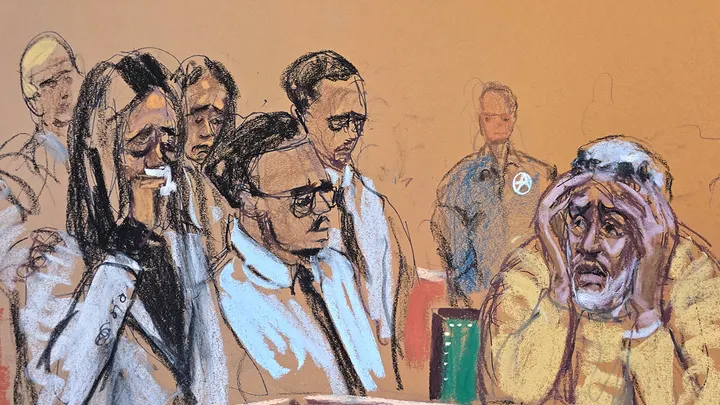
Diddy sentenced to 50 months in prison for prostitution felonies; fined $500,000 and given five years’ supervision
Sean “Diddy” Combs was sentenced to 50 months in federal prison after convictions on two prostitution-related felonies; he was credited with 12 months already served, ordered to pay a $500,000 fine and to serve five years of supervised release.
- Diddy prison sentence; 50 months prison sentence with credit for 12 months served.
- Five years of supervised release will follow imprisonment.
- $500,000, the maximum allowed by law, was imposed as a fine.
- Convictions: two prostitution-related felonies; acquitted of racketeering and sex‑trafficking counts in July (see Sources).
Background of the case
Prosecutors alleged that Combs arranged or facilitated prostitution and used his influence and money to pay for intimate encounters, describing a pattern of misconduct over time. The jury acquitted him of racketeering and sex‑trafficking charges, leaving two prostitution-related felonies as the convictions at sentencing. Prosecutors portrayed lasting harm to victims, while the defense argued the evidence did not justify long prison terms.
What happened at the sentencing
District Judge Arun Subramanian imposed a 50-month sentence, noting the need for punishment, deterrence and recognition of victims’ harm. The judge referenced impact testimony and described the reach of the misconduct as “incalculable.”
“The number of people who you reached is incalculable,” the judge said, crediting victim testimony in explaining the sentence.
Prosecutors had sought at least an 11-year sentence; defense attorneys requested roughly 14 months. The 50-month term is paired with the maximum fine allowed under the statutes for the crimes of conviction.
Credit for time served and next steps
The court credited Combs with 12 months already spent at the Metropolitan Detention Center in Brooklyn; that time will be applied to the 50-month term. After release, Combs will be subject to five years of supervised release and the court-ordered financial penalty of $500,000. Violations of supervised release conditions could result in further custody.
Legal teams may file appeals or post-sentencing motions, which can alter the timing or finality of custody under federal appellate procedures.
Victim testimony and reactions
Victim impact statements, including testimony from Cassie Ventura and a witness identified as “Jane,” were central to the hearing. Attorneys and advocates said the sentence recognized victim harm and may signal accountability for high-profile figures. Ventura’s lawyer issued a statement noting the judgment reflects the profound impact on survivors.
Media coverage and public debate
The case has drawn national attention, focusing on celebrity influence, the balance between punishment and rehabilitation, and how courts weigh mixed jury findings. Commentators are divided—some argue the sentence is too lenient given the prosecutors’ request, while others point to the acquittals on the most serious counts as a limiting factor.
Implications for Las Vegas, Nevada
Economic impact: Las Vegas promoters, venues and casinos that depend on celebrity appearances may face contract shifts, cancellations or lineup changes if artists or brands linked to Combs are affected. Local entertainment contracts, endorsements and marketing plans may be adjusted.
Political consequences: Elected officials and civic leaders may face increased scrutiny over past donations, endorsements or appearances by national entertainers, and the case may prompt discussions about oversight of industry practices.
Social effects & cultural relevance: The trial has reinvigorated conversations about consent, exploitation and worker safety in nightlife and hospitality industries. Advocates may press for stronger protections, clearer reporting channels and public education campaigns in Las Vegas, where nightlife and events are integral to the tourism economy.
Practical advice for residents: While the sentence does not change local law, hospitality and entertainment workers should review employer policies on harassment and reporting. Employers and community groups might organize trainings, town halls or survivor-support initiatives in response.
What this means legally and practically
Combs is likely to be transferred to a federal facility for processing and service of the remaining sentence after credit for time served. Supervised release will require regular check-ins and compliance with court conditions; failure could lead to re-incarceration. The $500,000 fine must be paid under the court’s terms.
Appeals and post-sentencing motions are possible and would proceed through federal appellate channels. Legal experts note the fine and supervised-release term are intended to impose both financial consequences and long-term oversight.
Sources and reporting
- ABC News (live coverage and reporting)
- CBS News (live updates and trial coverage)
- ABC7 (local New York coverage)
- trial video (court proceedings)