
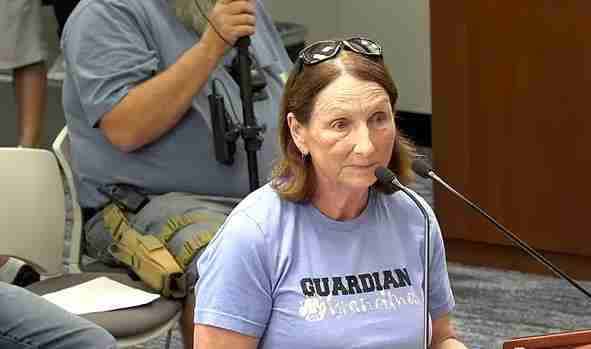
Dearborn residents press city to curb mosque noise as debate over outdoor loudspeakers grows
Key takeaways
- Multiple complaints were filed about the volume and timing of outdoor loudspeaker broadcasts for the call to prayer; city reporting is documented in a community video report.
- Noise ordinance bans loudspeakers between 10 p.m. and 7 a.m., but city rules are unclear about amplified religious announcements during daytime hours.
- Police response included mosque visits and decibel tests; some tests showed levels within limits while broader investigations continue.
- Some neighbors fear speaking up because of potential accusations of bias, complicating open community discussion and enforcement.
Main story
Background: noise, religion and the law
Dearborn is home to one of the largest Arab American and Muslim communities in the United States. In recent months, several neighbors said the call to prayer, amplified through outdoor loudspeakers, has been louder or more frequent than they find acceptable. That rise in complaints prompted officials to examine possible violations of the city’s noise rules and to conduct on-site testing.
Under the current ordinance, loudspeakers are banned between 10 p.m. and 7 a.m. Residents and some council members say the code is ambiguous about outdoor religious loudspeakers used during daytime hours, prompting police visits, decibel testing and wider discussion about whether the ordinance needs clarification.
City reporting and community footage documenting complaints, police activity and council discussion are available in a community video report.
What residents are saying
Neighbors who filed complaints told reporters the amplified sound affected daily life: difficulty sleeping, trouble holding conversations indoors, and a changed sense of neighborhood character. Others said they were hesitant to complain publicly out of fear of being labeled Islamophobic, which has discouraged open discussion and made it harder for the city to gauge community sentiment.
“Some residents fear speaking up because criticism of a religious practice could be seen as intolerant, even when the concern is strictly about noise and quality of life.”
The tension between airing a civic concern and avoiding cultural conflict has been a recurring theme in coverage and local remarks.
City response and enforcement steps
City officials responded by investigating complaints. Police performed decibel tests at some mosques after receiving calls; in certain instances sound levels were reported within city limits. However, the broader question—whether outdoor loudspeakers are permitted at any time—remains open.
At a recent city council meeting, officials said they are collecting evidence to interpret the ordinance and assess whether changes are needed. Options under consideration include clearer language in the noise code or specific rules for religious outdoor loudspeakers, always with attention to religious freedom.
The events and investigations are documented in a local community video report used as source material for reporting.
Legal and constitutional considerations
City lawyers must balance the First Amendment protections for religious exercise with neutral, generally applicable time, place and manner rules. Any new ordinance or enforcement policy must not target a religion and should apply evenly to houses of worship and secular uses to reduce legal risks.
Courts typically look for neutral rules that treat all groups equally; clear, even-handed local policy and documentation of neutral enforcement are critical to withstand legal scrutiny.
Voices missing from public reporting
Current reporting emphasizes neighbors and city investigators; not all mosque leaders or worshippers provided statements on the record. Additional reporting and public meetings will be needed to capture a fuller range of perspectives from those directly affected.
Practical steps discussed
- Adopt clearer ordinance language specifying allowable hours and conditions for outdoor loudspeakers.
- Create a permit or notification process for amplified religious announcements to help neighbors and enforcement plan.
- Set standardized decibel limits and testing procedures for objective enforcement.
- Offer mediation between mosque leaders and neighbors to reach local, voluntary agreements on timing and volume.
- Host community forums that encourage residents to raise noise concerns without fear of being labeled for their motives.
Implications for Las Vegas, Nevada
Economic impact
- Tourism and hospitality: Noise disputes could affect perceptions of neighborhood livability; clear, balanced rules help protect property values and visitor experiences.
- Business operations: Late-night businesses and entertainment venues may be affected by noise regulations—policy choices should consider the city’s 24-hour economy.
Political consequences
- Local government focus: Noise and religious-speech disputes can become campaign issues; officials may face pressure to clarify ordinances preemptively.
- Community representation: Leaders should ensure all voices are heard, including those hesitant to speak up, using transparent processes.
Social effects
- Community cohesion: Poorly handled disputes can heighten tensions; mediation and dialogue can reduce polarization.
- Public safety and trust: Anonymous complaint channels and impartial forums can help surface concerns without undermining trust.
Cultural relevance
- Religious diversity: Neutral standards for outdoor loudspeakers are more likely to be legally and socially accepted in diverse cities like Las Vegas.
- Civic norms: Fair, clear rules promote mutual respect while balancing cultural expression and everyday life.
Practical applications for Las Vegas residents and officials
- Review noise ordinances to define permitted hours, technical limits for outdoor loudspeakers, and equal application to all groups.
- Implement standard decibel testing procedures and train enforcement staff for objective resolution of disputes.
- Offer mediation services and engage faith leaders early when drafting or changing rules to build buy-in.
- Provide safe channels for anonymous reporting and impartial public hearings to reduce fear of stigmatization.
Source material and reporting
This article relies on local reporting and a community video that documented complaints, police visits and city council discussions. For more details, see the reporting at the community video report.