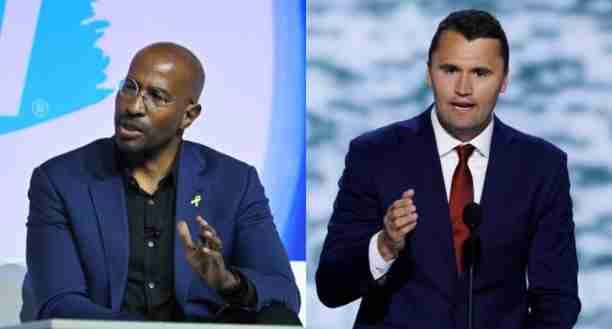
Van Jones says Charlie Kirk messaged him for a “civil” debate one day before Charlie Kirk assassination
Van Jones said Charlie Kirk privately messaged him on Sept. 9 offering a ‘respectful conversation about crime and race’ — a day before Kirk was assassinated in Utah; Jones discovered the DM only after the killing.
Key takeaways
- Private outreach: Jones says Charlie Kirk sent him a DM on X on Sept. 9 inviting a civil discussion; Jones only saw it after Kirk’s death. (AOL, theGrio)
- Context of feud: The outreach followed a weeklong public dispute over the killing of Iryna Zarutska and whether race was a motive. (AOL)
- Broader implications: The exchange has prompted debate about political rhetoric, online harassment, and event security for public figures.
Main report
Background and the public clash
In early September 2025, conservative commentator Charlie Kirk and CNN contributor Van Jones engaged in a heated public dispute after the killing of Iryna Zarutska, a Ukrainian woman. Kirk suggested the crime — committed by a Black suspect — had racial motivations toward Whites; Jones rejected that framing as “completely unfounded.” The back-and-forth escalated online and on air, and Jones says he began receiving unusually intense racist threats during the dispute. (AOL; theGrio)
The direct message and its text
Jones says Kirk sent a private message on X on Sept. 9 that read in part:
“Hey Van, I mean it, I’d love to have you on my show to have a respectful conversation about crime and race. I would be a gentleman as I know you would be as well. We can disagree about the issues agreeably.”
Jones shared that DM publicly after he discovered it following news of Kirk’s assassination. He described the outreach as both shocking and moving given the prior acrimony. (AOL; theGrio; YouTube)
Jones’s response and wider reaction
Jones said he would have accepted the invitation. On air and in statements he used the revelation to urge calmer discourse and to warn about escalation. He said,
“Political murder is wrong, period… I don’t want to go back [to violent times of the past]. None of us should.”
His interviews and comments have been cited across outlets and video platforms. (theGrio; AOL; YouTube)
Why the message matters
The DM matters because it:
- Undercuts the narrative of unrelenting personal hostility between two high-profile figures;
- Shows that at least some participants in public disputes may seek civil, private engagement;
- Is poignantly timed — arriving one day before the assassination — and therefore serves as a focal point in discussions about de-escalation, rhetoric, and responsibility.
Timeline of events
- Early September 2025: Dispute begins over the killing of Iryna Zarutska and possible racial motives. (AOL)
- Week of Sept. 8–10, 2025: Online and on-air back-and-forth between Kirk and Jones; Jones reports receiving threats. (theGrio)
- Sept. 9, 2025: Kirk sends private message to Jones inviting him to a respectful debate. (AOL)
- Sept. 10, 2025: Kirk is assassinated at a Utah speaking event; Jones discovers Kirk’s message after news of the killing. (theGrio)
Source notes and public records
This report draws from Van Jones’s public statements and interviews as covered by multiple outlets. Reporting and recorded segments are available from the AOL report, the theGrio, and video interviews posted online (YouTube; YouTube). Each source includes direct quotes from Jones and the text of the message he says Kirk sent.
Political and social context
The episode intersects with national debates about: how media figures frame crime and race, the harm of heated online rhetoric, and safety for public figures at live events. Commentators across the political spectrum have invoked the exchange to call for cooler heads. Advocates for civil discourse point to private outreach as a model for de-escalation, while critics note that gestures alone cannot substitute for systemic change in media and public conversation.
Implications for Las Vegas, Nevada
Economic impact
- Tourism and conventions: Las Vegas relies on large events; the assassination and ensuing debate increase scrutiny of event security and may pressure venues to raise security budgets, affecting costs and bookings.
- Local media and advertising: Heightened coverage of national political violence can shift advertising patterns and demand for coverage and opinion programming.
Political consequences
- Local campaigns: Candidates emphasizing civility and public safety may gain traction among urban moderates.
- Law enforcement and policy: Clark County and event organizers may face renewed calls to coordinate security while preserving access.
Social effects
- Community tension: Debates about crime and race resonate in Las Vegas neighborhoods and could intensify local conversations on profiling and public safety.
- Online harassment: Local journalists and civic leaders may see increased threats if national disputes spill into local online spaces.
Cultural relevance
- Respectful debate: The revelation that Kirk privately sought a “respectful conversation about crime and race” resonates with residents who want cooler national rhetoric.
- Community forums: Universities and community centers may see demand for moderated, safety-conscious discussions that model civil engagement.
Practical applications for residents
- Event attendance and safety: Expect clearer safety protocols at public events; follow organizers’ guidance and understand venue emergency procedures.
- Civic engagement: Local leaders can sponsor moderated forums focusing on policy solutions that bridge public safety and civil rights.
- Media literacy: Schools and community groups can reinforce media literacy to help residents evaluate claims about crime and race and resist overheated narratives.
Reporting note
This article is based on Van Jones’s public disclosures and media appearances after the killing of Charlie Kirk, as reported by AOL, theGrio, and video interviews posted online (YouTube; YouTube). Journalists and civic leaders continue to weigh the implications for how we handle crime and race conversation in public life.