BEVERLY HILLS, Calif., Aug. 16 (Our California Times) — California Pizza Kitchen’s path from a single Beverly Hills restaurant to a global chain, a $470 million private-equity sale, bankruptcy and a reported $300 million acquisition shows how ownership changes can reshape a restaurant company — and affect its workers, customers and investors.
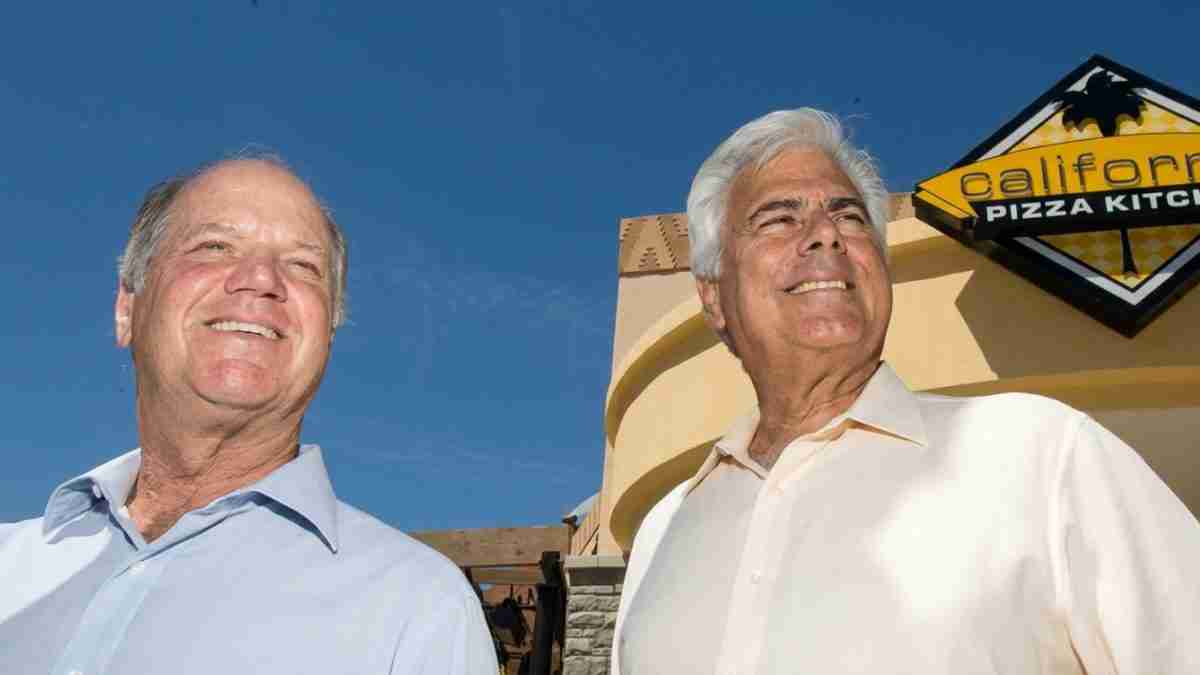
Rick Rosenfield, who founded CPK with Larry Flax in 1985, recently reflected on the chain’s growth and struggles. Rosenfield said he believes Golden Gate Capital, which bought CPK in 2011, changed the company’s culture and moved it away from the founders’ approach.
“I believe that they damaged the culture from day one,” Rosenfield said in an interview reported by Fox Business. He also said Golden Gate wanted to remake the company “in an image different than we had remade it in.”
Those comments are Rosenfield’s view. The supplied reporting does not include a response from Golden Gate Capital or independent records that assess his claims.
From Beverly Hills to more than 200 restaurants
Rosenfield and Flax were attorneys before opening the first California Pizza Kitchen in Beverly Hills. The restaurant became known for pizzas that differed from the traditional American model, including barbecue chicken pizza, as well as for using fresh ingredients.
The chain expanded to more than 200 locations worldwide before the 2011 sale, according to Rosenfield’s account reported by Fox Business. Its growth also brought several changes in ownership. Business Insider reported that PepsiCo bought a 67% stake in 1992. Fortune reported that Bruckmann, Rosser, Sherrill & Co. acquired the company’s shares in 1997, while Rosenfield and Flax retained a one-third interest and continued as co-CEOs and co-chairmen.
CPK traded on the Nasdaq National Market from 2000 to 2011, according to Business Insider. The company was no longer publicly traded after Golden Gate Capital acquired it.
What did the 2011 sale mean?
Golden Gate Capital acquired California Pizza Kitchen in 2011 for $470 million, according to reports based on the transaction and Rosenfield’s account. Golden Gate is a private-equity firm, meaning it invests in companies, often with the goal of improving operations and eventually selling its stake.
For founders, a sale can provide a major financial return and transfer control to a new owner. For employees and customers, it can bring changes in management, staffing, menus, store locations and operating practices. For investors, the value of the deal depends on whether the company grows and remains financially stable under the new ownership.
Rosenfield said the culture changed after the sale. He described the founders’ approach as one that placed heavy weight on employees’ commitment to the business. “We felt if our employees came to work and were motivated and cared, then the customer would be the beneficiary,” he said, according to Restaurant Business.
Why did CPK enter bankruptcy?
California Pizza Kitchen filed for Chapter 11 bankruptcy protection on July 30, 2020, after the COVID-19 pandemic added pressure to the restaurant industry. Chapter 11 allows a company to keep operating while it reorganizes its debts and business affairs under court protection.
Eater reported that CPK had more than $400 million in debt when it filed. The supplied material does not identify the bankruptcy petition or another primary court record supporting that figure.
CPK emerged from bankruptcy in November 2020, according to reports by Fox Business and Business Observer Florida. Restaurant Business later reported that the company was operated by its lenders for five years after the bankruptcy, closed nearly 50 locations and saw sales decline by more than 28%. The underlying financial and operating records for those figures were not identified in the supplied material.
Rosenfield said the chain’s decline continued while he and Flax watched from outside the company. “It continued to decline on that basis, unfortunately,” he said, according to Fox Business, adding that it was eventually “driven into bankruptcy.”
What is the company’s latest ownership change?
Consortium Brand Partners was reported to have acquired CPK in 2025 in a transaction valued at about $300 million. Fox Business described the price as just under $300 million and said the deal was announced in December 2025. Other reports described the price as $300 million and gave different timing. The exact closing date, transaction terms, assumed liabilities and ownership structure were not provided in the supplied material.
Eldridge Industries was identified as part of the buyer consortium in a reference summary, but the supplied information does not establish the full ownership structure or the precise role of each investor.
The new ownership comes after a difficult period for the chain. Store closures and lower sales can affect restaurant employees, landlords, suppliers and nearby communities, while changes in ownership can alter where the company invests and how it competes. The supplied material does not provide California-specific figures for job losses, store closures, taxes or other local economic effects.
For CPK, the central business question is whether the latest ownership group can restore growth without losing the brand identity that helped make the Beverly Hills restaurant a national chain. Rosenfield’s account makes that tension clear: A restaurant company’s financial performance is tied not only to its menu and locations, but also to decisions about culture, staffing and control.