Trump officials invoke Defense Production Act to restart Sable Oil Project, saying California’s foreign oil dependence is a national security risk
The Trump administration has invoked emergency powers under the Defense Production Act to order restart of the Sable Oil Project off California, citing national-security risks from the state’s growing reliance on foreign crude; Governor Newsom vows legal challenges.
Key takeaways
- Federal action: The administration used the Defense Production Act and a delegated order to push a restart of the Sable pipeline despite state objections.
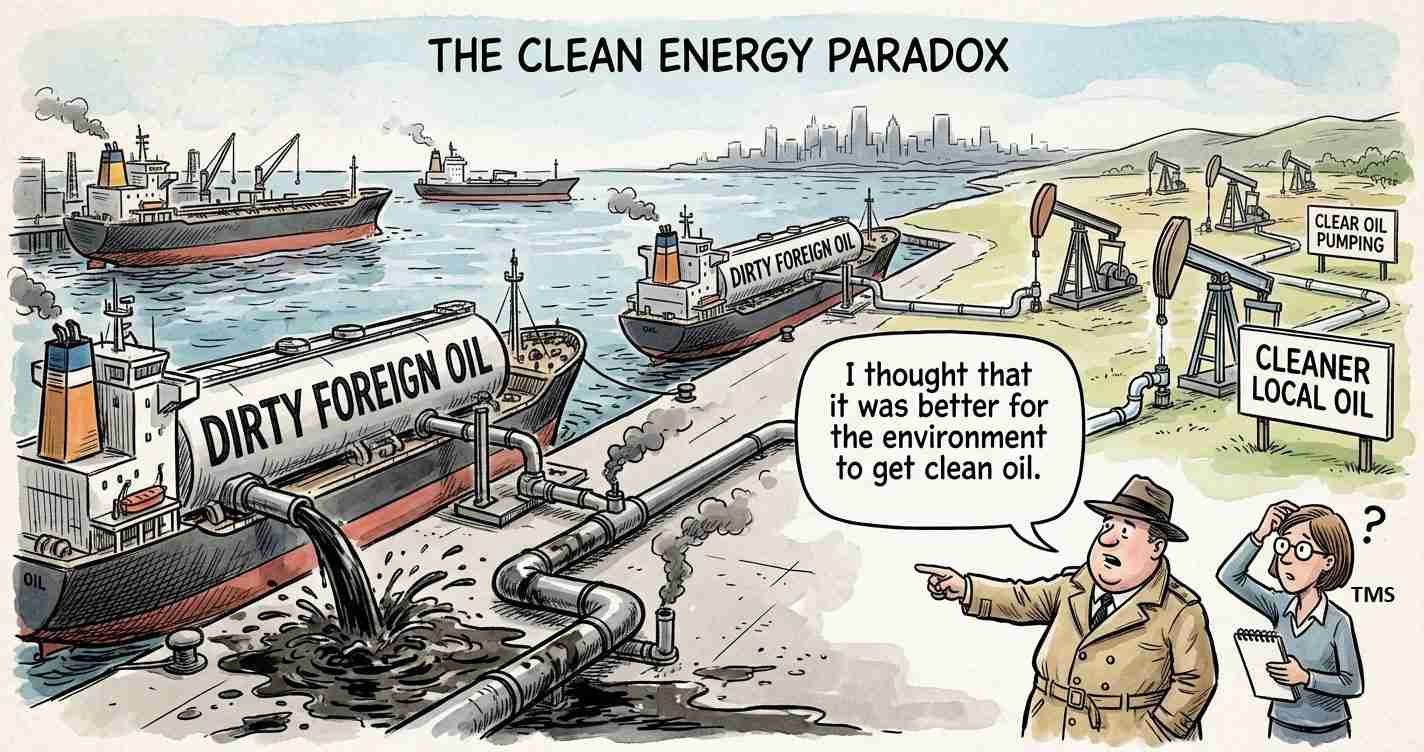
- Security claim: DOE officials say roughly 60% of the crude processed in California comes from foreign sources, posing risks to West Coast military operations.
- State pushback: Governor Gavin Newsom calls the order illegal and vows litigation to protect coastal safety and environmental rules.
What the administration says
Energy Secretary Chris Wright framed the move as necessary for national defense, saying restarting previously drilled offshore wells would reduce California’s reliance on imported crude and “increase energy security for our military operations in California.” He spoke on Fox Business to make the case.
The Department of Energy issued a fact sheet linking the state’s high import share to vulnerabilities at global chokepoints such as the Strait of Hormuz.
“Restarting previously drilled offshore wells, including assets tied to the Sable Oil Project, could reduce California’s dependence on imported crude and increase energy security for our military operations in California,” Energy Secretary Chris Wright said.
Interior secretary’s view
Interior Secretary Doug Burgum visited the Sable site and criticized California’s regulatory approach for reducing refining capacity and increasing reliance on foreign suppliers. Burgum called importing about 60% of California’s crude “an absolute national security risk,” noting recent imports from Iraq as an example.
Why the Defense Production Act was used
The DPA, enacted in 1950 for wartime and emergency priorities, was delegated by executive order to the Energy secretary and invoked to order restart of a pipeline system shuttered after a 2015 spill. The administration says the pipeline and offshore wells are “vital to our national security and defense” and will strengthen supplies for West Coast military installations.
What California officials say
Governor Gavin Newsom and state regulators argue the administration’s action is an unlawful federal overreach. California kept the Sable pipeline offline after a major 2015 spill that fouled beaches and killed wildlife; officials say safety and environmental risks persist and pledge legal challenges.
About the Sable Oil Project
The Sable Offshore Oil Project, near Santa Barbara, comprises three offshore platforms, undersea and onshore pipelines, and processing facilities. The pipeline system at issue was shut after the 2015 spill; the administration’s order aims to resume flow from previously drilled wells and existing infrastructure.
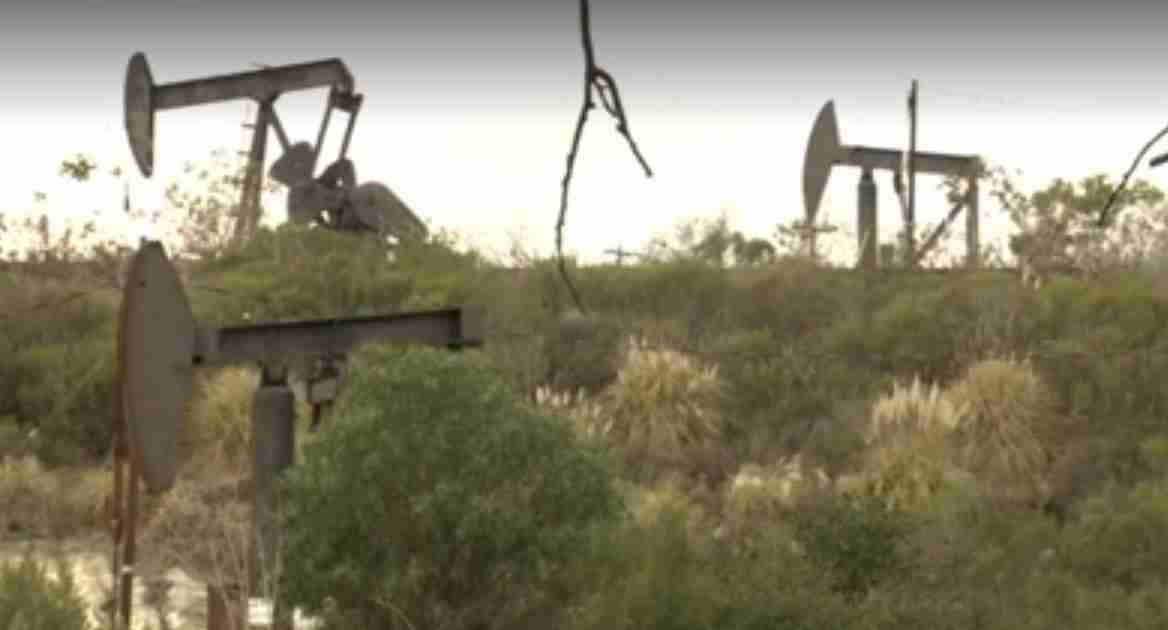
Environmental groups and state officials say the pipeline was effectively retired for safety reasons and that restarting it risks coastal damage. See background video on the Sable project.
Data and open questions
Administration officials cite a roughly 60% foreign share of crude used in California refineries and point to more than 30 U.S. military installations in the state as reasons to act. Critics say the situation is more complex: in-state production has declined, refinery capacity has changed for economic and regulatory reasons, and it is unclear how much the Sable restart would reduce import dependence or retail pump prices.
Analysts also challenge whether the DPA applies to reversing state shutdowns tied to safety and environmental reviews; courts will need to weigh the breadth of “national defense” in peacetime applications.
Political framing and broader energy policy
The action aligns with a White House push to expand domestic oil and gas production and criticize state-level climate and energy rules. DOE messaging framed California policies as reducing production, raising costs, and harming national security; supporters argue the move will lower costs and bolster security, while opponents say it undercuts state environmental protections and may not address long-term challenges.
Legal fight ahead
Legal experts expect litigation over whether the DPA can be used to override state safety and environmental laws in peacetime. California officials have promised to challenge the order in court and to use regulatory tools to defend coastal protections.
Implications for Las Vegas, Nevada
- Fuel prices and tourism: Las Vegas depends on steady, affordable fuel; a federal push to raise West Coast supply could modestly ease price pressure, but experts say a single offshore project likely won’t sharply lower regional prices.
- Military readiness: Nellis AFB and other Nevada sites rely on reliable fuel; improved regional logistics could benefit bases, but supply disruptions from legal or environmental incidents could create short-term challenges.
- Supply chains: Nevada imports refined fuels through West Coast networks; how much Sable output would reach Nevada depends on refineries and transport patterns.
- Environmental and tourism risk: Offshore drilling near Santa Barbara raises concerns for the tourism economy and regional visitor perceptions if incidents occur.
- Precedent: Court rulings on DPA use could shape future federal-state disputes relevant to Nevada policy debates.
Sources and reporting links
Reporting compiled from public statements and the following sources:
- Vibetrader
- Fox Business video
- E&E News
- Politico
- U.S. Department of Energy fact sheet
- California governor’s statement
- Video background on Sable project
Reporting compiled from the above sources and public statements by federal and state officials.