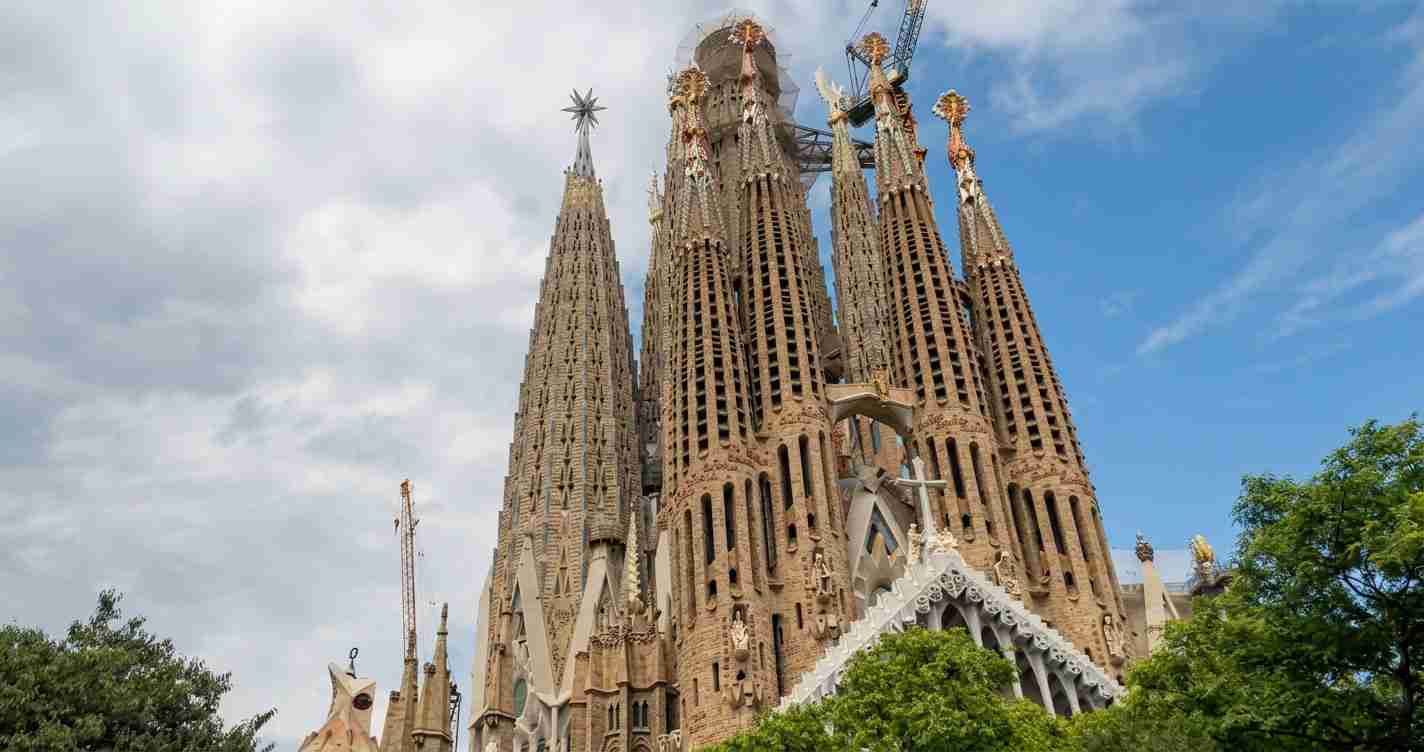
Barcelona moves to double cruise passenger tax as mayor seeks to curb mass tourism
Barcelona plans to double the daily cruise passenger tax to €8 to curb short‑stay stopovers, part of a wider anti‑overtourism package including a 2028 tourist‑apartment ban and higher hotel and rental levies, with revenue for housing and transport.
- Higher cruise levy: Mayor Jaume Collboni proposes raising the per‑person daily cruise tax from €4 to €8 to discourage short‑stay stopovers and concentrate value from overnight visitors.
- Part of a package: The tax is one element alongside fewer cruise terminals, steep hotel and rental taxes, and a plan to phase out tourist apartments by 2028.
- Revenue earmarked: Catalan rules require shares of tourist taxes for housing and tourism management; Barcelona plans a roughly €100 million reinvestment fund for 2026.
- Political framing: Collboni links the measures to a residents‑first agenda and a push for higher‑value business tourism and conventions.
Why Barcelona is targeting cruise tourism
Barcelona is among Europe’s most visited cities and has faced repeated resident complaints about crowding, noise and diminished housing supply. Day‑trip cruise passengers can arrive in the tens of thousands on a single day, concentrating on narrow streets and major sights, and city leaders say these visitors spend less per person while imposing outsized wear on transport, public spaces and services.
Mayor Jaume Collboni has said he wants to “discourage the arrival of cruise passengers” and reduce short‑stay stopovers “to zero,” favoring itineraries that start or end in Barcelona because overnight visitors are likelier to stay and spend more locally. See reporting from El País and the local network Betevé.
Cruise pollution and environmental concerns
Beyond crowding, cruise ships raise concerns about air pollution and greenhouse‑gas emissions near the port and along the waterfront. Environmental groups and neighborhood associations have urged stricter regulation and higher levies so ships help pay for the local impacts. City reporting and official statements present the higher per‑day cruise tax as both a deterrent to low‑value stopovers and a revenue source for mitigation.
Other measures in the city’s anti‑overtourism package
- Fewer cruise terminals: In 2024 the city and port authority agreed to reduce cruise terminals from seven to five to cap capacity and steer activity away from the most sensitive central areas (Port of Barcelona).
- Steep overnight tourist taxes: Catalonia raised base tourist taxes starting April 2026; Barcelona can add municipal surcharges, pushing hotel guest taxes and short‑term rental levies among the highest in Europe (Idealista, Euronews, Business Insider).
- Tourist‑apartment phase‑out: Officials plan to eliminate tourist apartments by 2028, working with regional authorities and platforms to crack down on unlicensed rentals and convert units back to long‑term housing (Barcelona City Council).
Where the money is supposed to go
Under Catalan law, a share of tourist tax revenue is legally earmarked for housing policies and tourism management. The regional framework requires 25% of regional tourist tax revenue to fund housing measures; municipalities receive portions for local projects. Barcelona plans a “Tourism Reinvestment Fund” of roughly €100 million for 2026 aimed at public transport, sustainability projects in crowded neighborhoods and converting some short‑term rentals into long‑term housing (Catalan Parliament; Barcelona City Council).
The 2028 target for tourist apartments
Barcelona’s 2028 goal to eliminate tourist apartments is among the most ambitious in Europe. Officials argue reducing short‑term rental stock will ease housing pressure and restore neighborhood life, requiring new regulations, enforcement and cooperation with booking platforms. The city plans to use higher tourist taxes to finance transition programs and incentives to convert listings into long‑term rentals, while critics warn of enforcement complexity and displacement of activity underground.
Collboni’s political framing
Jaume Collboni has tied the measures to a broader political agenda. In interviews he said he intends to run for re‑election in May 2027 and wants a left‑wing majority, declaring he aims to “turn Barcelona into the grave of the far right.” He frames the anti‑overtourism push as protecting residents’ rights and reshaping the local economy toward quality tourism and business visitors, including investments in the Fira de Barcelona convention center (El País; Betevé).
How Barcelona compares with other European cities
Barcelona’s combination of terminal cuts, steep overnight taxes and a focused cruise levy places it among the most aggressive European cities addressing overtourism. Other destinations such as Amsterdam and some Italian cities have raised visitor levies or restricted short‑term rentals, but Barcelona’s approach is notable for its scope and for explicitly tying tax revenues to housing policies — a model analysts say other cities may study (Euronews).
Implications for Las Vegas, Nevada
- Tourism model lessons: Las Vegas relies on overnight stays, conventions and gaming rather than cruise traffic. Barcelona’s effort to favor higher‑spending overnight visitors and to align tourism revenue with housing and infrastructure offers policy lessons for balancing visitor numbers with resident quality of life.
- Convention and business tourism: Barcelona’s emphasis on the Fira de Barcelona mirrors Las Vegas’ focus on conventions; a shift to higher‑value tourism could affect competition for international events.
- Short‑term rentals: Barcelona’s ban and reinvestment strategy is a case study for cities wrestling with housing affordability and short‑term rental impacts.
- Travel patterns: A higher cruise tax may reshape Mediterranean itineraries and influence tour packages that include Barcelona stopovers, with potential ripple effects for travelers from Las Vegas.
Voices and reactions
“We want to discourage the arrival of cruise passengers,” Mayor Collboni told local media, framing the measures as part of a plan to protect residents and redirect tourism revenue to public needs (Betevé).