Somali piracy surge, Houthi alignment threatens Red Sea trade routes
Since late April 2026, a surge in Somali piracy off Yemen and Somalia, aided by Houthi-linked surveillance and cover, has revived vessel hijackings and threatened vital oil and shipping routes through the Red Sea and Gulf of Aden.
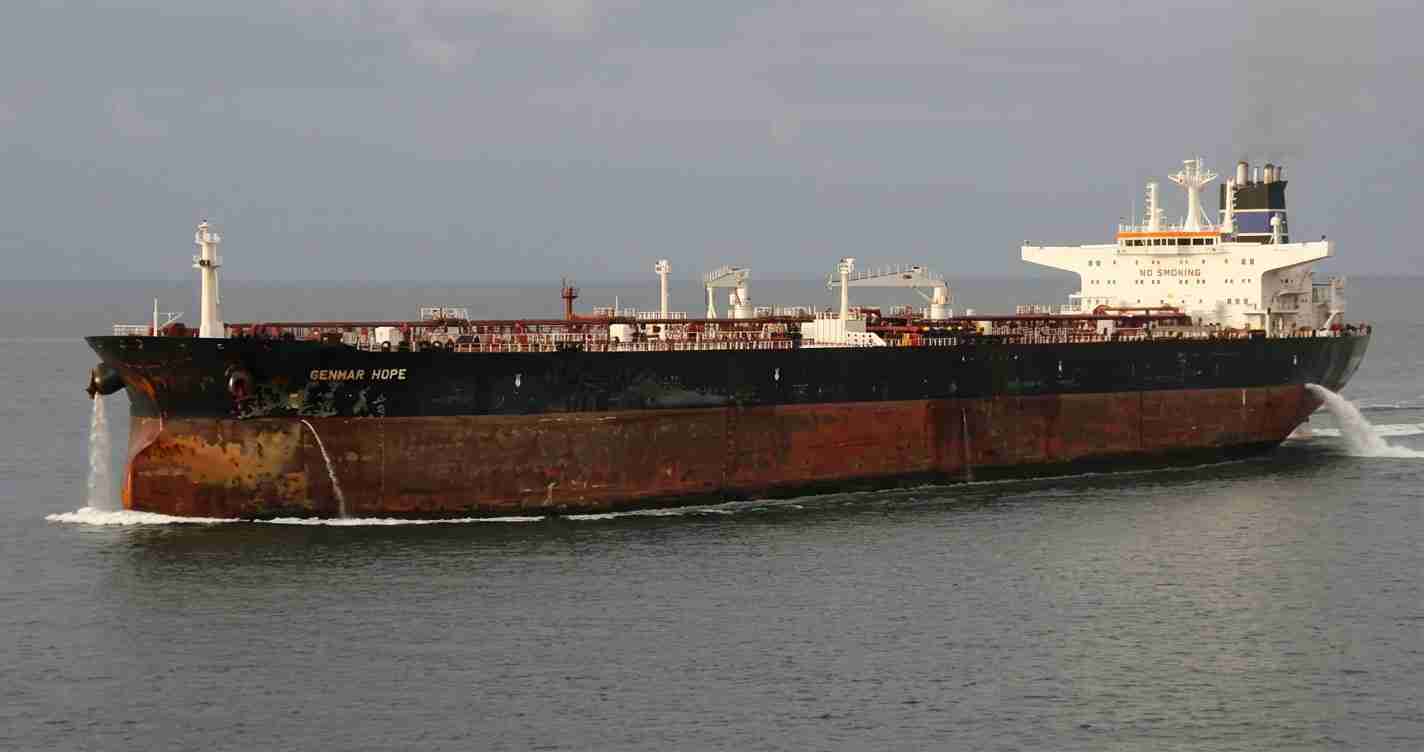
- Wave of hijackings began April 21, 2026 with fishing boats, cargo ships and tankers seized; reports include a May 2 oil tanker incident off Shabwa. Sources: Fox News, ModernGhana.
- Analysts warn of Houthi–Somali collaboration in which Houthis provide surveillance and cover while Somali crews board and hold ships for ransom (Fox News).
- Risk ratings upgraded to “substantial” for waters off Somalia after the attacks, noted by commercial maritime monitors and industry bulletins (Fox News).
Timeline of recent incidents
- April 21: A Somali‑flagged fishing boat was seized (Fox News).
- April 21: The Palau‑flagged tanker Honour 25 (IMO 1099735) was reported hijacked (Fox News).
- April 26: A general cargo ship was seized and redirected to Garacad anchorage (Fox News, ModernGhana).
- May 2: Yemen’s coast guard reported armed men hijacked an oil tanker off Shabwa and steered it toward the Gulf of Aden; recovery efforts were reported underway (Fox News).
Analysts warn of Houthi–Somali collaboration
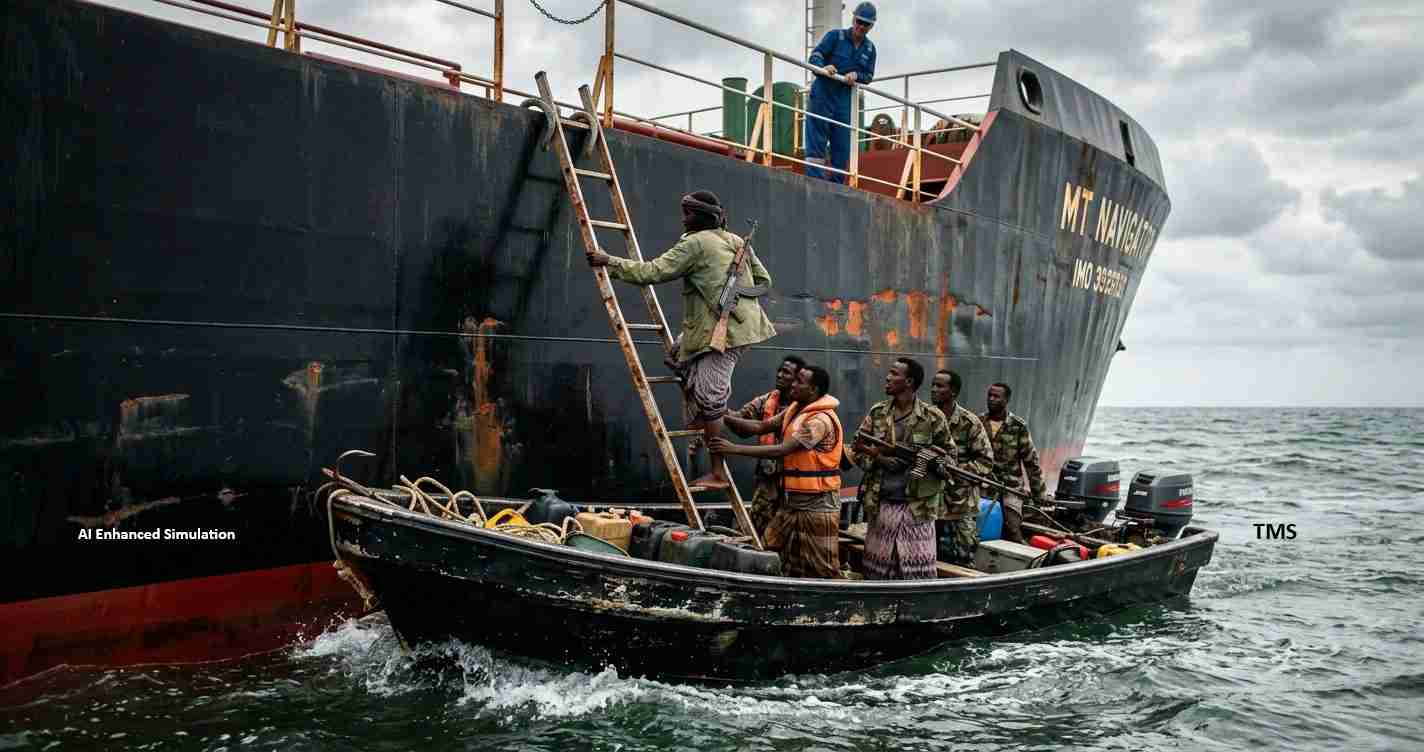
Ido Shalev, COO at RTCOM Defense and former Israeli naval officer, described the pattern as an “opportunistic alignment” resembling classic Somali piracy. He said Houthi‑linked groups provide GPS, surveillance and geopolitical cover while Somali crews supply skiffs and boarding teams to seize whole ships for ransom (Fox News).
“A transactional collaboration aimed at taking whole ships, their cargoes and crews, then demanding high ransoms,” Shalev told reporters.
Shalev also warned that naval assets diverted to counter missiles and drones from the Houthis have left gaps off Puntland and other Somali areas, creating zones with “zero naval resistance” (Fox News).
Why the risk is rising now
- Rerouted shipping paths: Vessels avoiding the Red Sea are increasing traffic off Somalia after the Red Sea crisis, concentrating targets (Fox News, StreamlineFeed, Wikipedia).
- High‑value tankers on new routes: Saudi diversions via its East‑West pipeline to Red Sea ports have increased tanker value on those routes (Fox News).
- Rising oil prices: Brent approaching $115/bbl in the quarter increases the payoff for successful hijackings (Fox News).
Commercial monitors and warnings
Industry alerts: Commercial maritime intelligence vendors and naval reporting raised alerts after the spate of attacks. Vendors cited in reporting include Windward AI and the U.K. Maritime Trade Operations (UKMTO); risk ratings for waters off Somalia were upgraded to substantial in commercial briefings (Fox News).
Historical context
Somali piracy peaked between roughly 2008 and 2013 before naval patrols, ship defenses and armed guards drove attacks to near zero. The current pattern — fast boats, coordinated boarding and moving ships to anchorages for ransom — mirrors that earlier era. Reporting traces a return beginning in late 2023 with an uptick through 2024 setting the stage for 2026 (ModernGhana, Wikipedia).
The limits of patrols and the need for surveillance
Analysts, including Shalev, emphasize that mere naval presence is insufficient. Effective surveillance systems and local intelligence are needed to detect and interdict small, fast pirate groups before boarding occurs — the kind of layered detection that previously reduced piracy in other regions (Fox News).
Economic and shipping fallout
- Route choices: Shipping companies face higher costs if they reroute via the Cape of Good Hope or pay for added security, insurance and delays (Fox News, StreamlineFeed).
- Downstream impacts: Continued instability could raise shipping costs, slow deliveries and put upward pressure on fuel prices for consumers worldwide (Fox News).
Available reporting on casualties and ransoms
Public reporting so far lists seizures and redirections. There are no confirmed crew deaths or verified ransom payments in these incidents to date; investigations and recovery operations remain ongoing (Fox News, ModernGhana).
Implications for Las Vegas, Nevada
- Economic impact: Higher global shipping costs and rising oil prices could increase gasoline and airline fuel costs, raising travel expenses and operating costs for hotels, shows and casinos (Fox News).
- Travel and tourism: Airlines facing higher fuel expenses may pass costs to passengers, potentially affecting visitor demand and supply chains for hospitality supplies (StreamlineFeed).
- Energy and utilities: Spikes in crude can indirectly raise utility and operational budgets for major resorts, potentially affecting prices for residents and visitors (Fox News).
- Local policy and community impact: Officials and business groups may track developments as trade disruptions and energy market volatility become factors in planning and budget decisions (Fox News).
Reporting notes and sources
This report draws on regional and international coverage and maritime alerts. Key source material includes reporting and analyst statements from Fox News, accounts from ModernGhana, industry reporting at StreamlineFeed, background at Wikipedia, and related video reporting on YouTube.
Further developments: Official maritime advisories and statements from shipping companies and governments are expected as recovery and interdiction efforts continue in the Indian Ocean and Gulf of Aden.