Federal “Operation Never Say Die” leads to LA hospice fraud arrests in multimillion-dollar Medicare scheme
On April 2, 2026, federal authorities announced “Operation Never Say Die,” arresting eight people across Southern California, including doctors and nurses, in a hospice fraud probe alleged to have attempted nearly $60 million in fraudulent Medicare and insurer billings.
Key takeaways
- Eight arrests and about 15 charged in a sweeping Southern California healthcare fraud takedown led by the U.S. Attorney’s Office and FBI.
- Nearly $60 million in intended losses to Medicare and other insurers from sham hospice, chiropractic and therapy billing schemes.
- Sham hospices recruited non-terminal patients—beneficiaries were allegedly paid to pose as hospice patients so providers could bill for services.
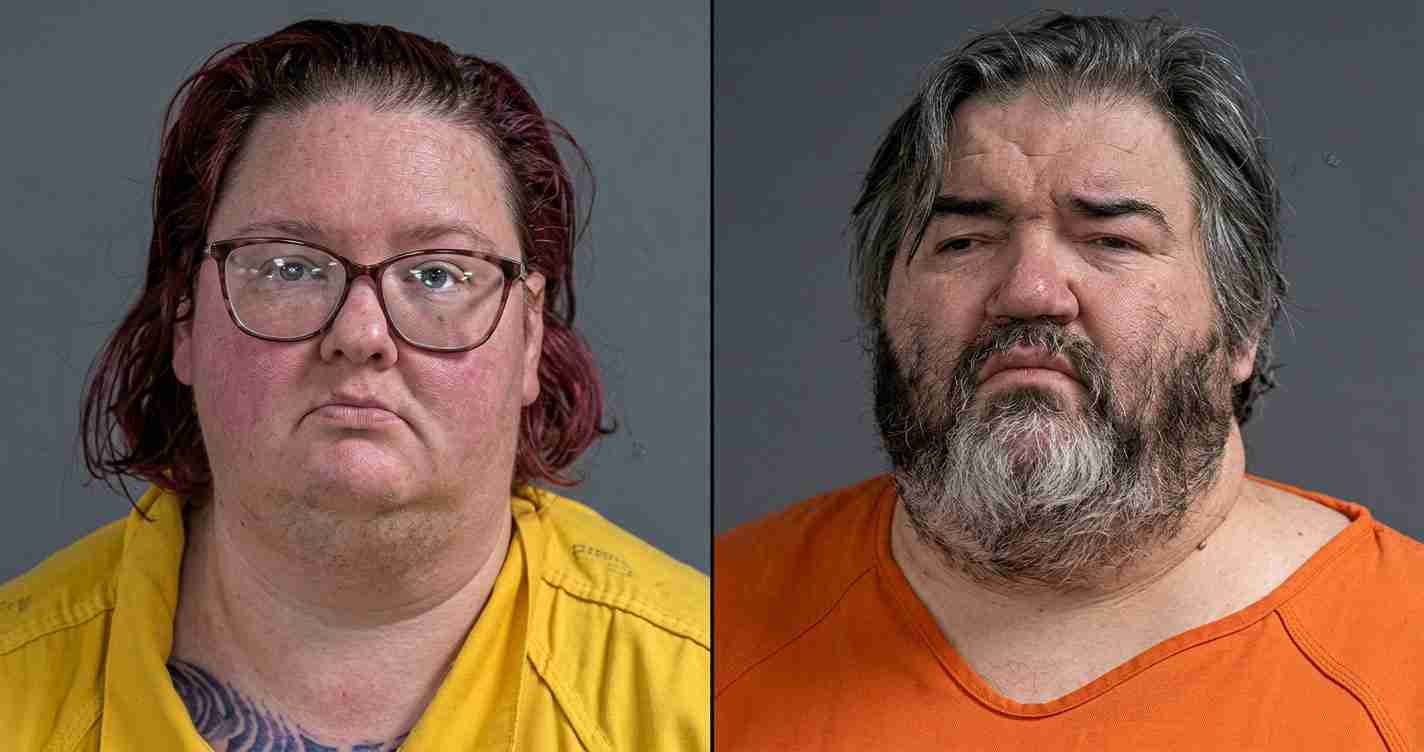
- One Glendale hospice run by Gladwin and Amelou Gill billed more than $5.2 million; Medicare paid more than $4 million, prosecutors say.
What happened
Federal and state law enforcement agencies, led by the U.S. Attorney’s Office for the Central District of California, the FBI and the Department of Health and Human Services, executed search and arrest warrants across Los Angeles County and neighboring cities including Covina, Glendale, Anaheim, Lakewood and Van Nuys. Investigators say the probe focused on hospice fraud and allied schemes spanning roughly 2010 through 2023, with alleged activity continuing through 2023.
Prosecutors described an organized effort to enroll beneficiaries who were not terminally ill into hospice programs. Fraudsters allegedly paid people to pose as patients so hospices could bill Medicare for hospice services and related care. The Justice Department says one hospice alone billed more than $5.2 million and received over $4 million from Medicare.
Source reporting and official statements were summarized from federal releases and local broadcast coverage; see the U.S. Department of Justice press release and local outlets listed below for full documents and videos.
Operation details and charges
Operation Never Say Die resulted in eight arrests on April 2 and is part of a broader charging effort naming about 15 people across related schemes. Allegations include illegal kickbacks, “license flipping” of hospice permits, and fraudulent billing tied to chiropractic and physical therapy clinics. Prosecutors allege some networks flipped dozens of hospice licenses in concentrated neighborhoods.
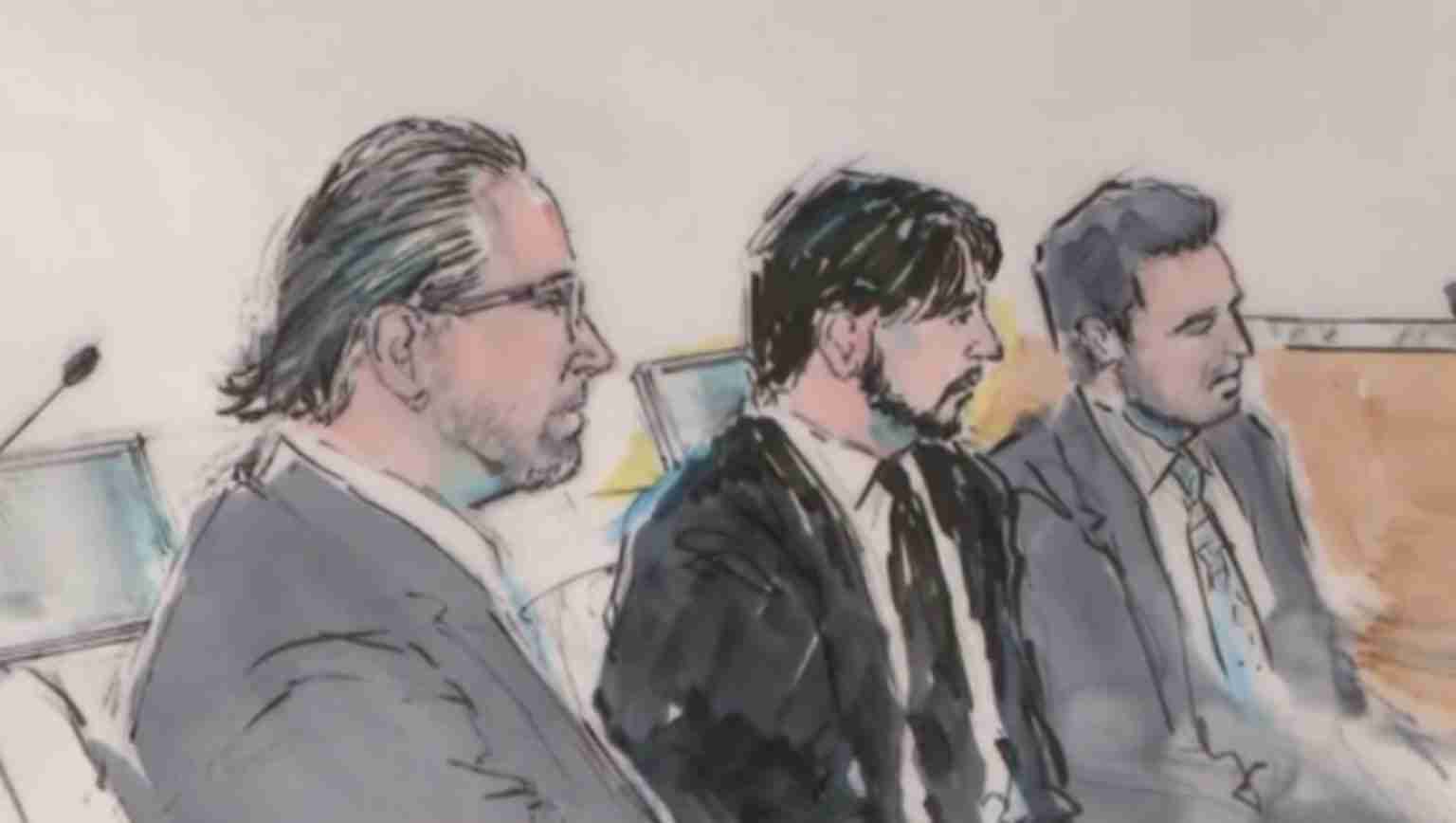
Court filings in the Central District of California outline conduct stretching from roughly 2010 to 2023. The DOJ estimates intended losses to Medicare and other insurers at nearly $60 million. Defendants face federal counts that can carry up to 10 years for certain healthcare fraud offenses and up to 20 years for wire fraud. Several defendants appeared in U.S. District Court in Los Angeles on April 2; others are expected to be transported from Idaho and Washington for court proceedings.
Response from officials
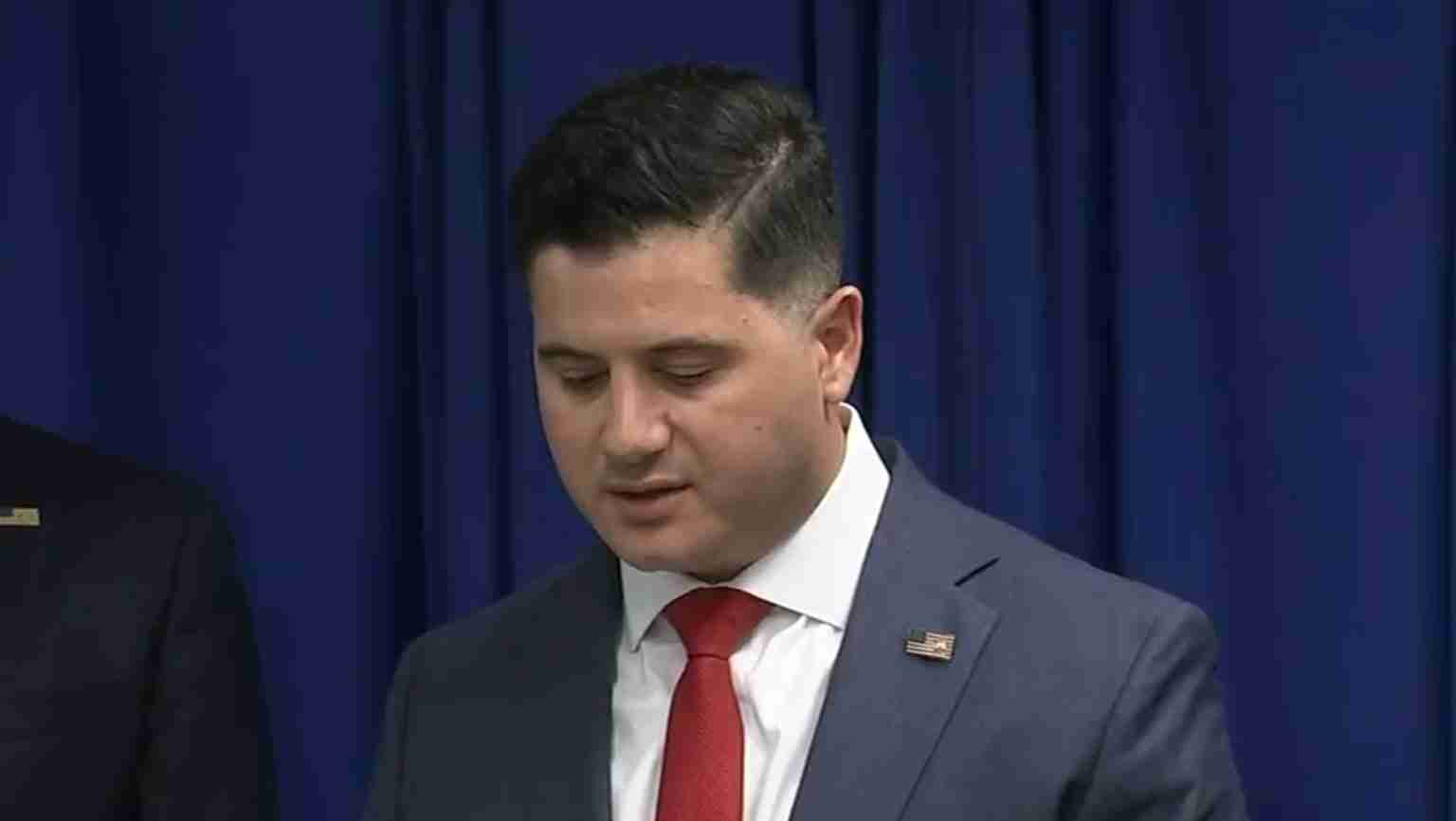
First Assistant U.S. Attorney Bill Essayli led the press briefing alongside FBI Los Angeles and HHS officials. CMS Administrator Dr. Mehmet Oz described Southern California as a “kingdom of fraud” during the briefing and announced a statewide review of hospices in California to be completed this year.
“A kingdom of fraud” — CMS Administrator Mehmet Oz
Oz pointed to implausible survival statistics at some hospice providers — for example, survival rates inconsistent with six-month prognoses — as a key red flag. His comments prompted immediate criticism after video circulated showing him speaking near a Van Nuys bakery; the bakery owner said the remarks were false and discriminatory. Officials later clarified that none of the defendants arrested were connected to that location.
Governor Gavin Newsom publicly pushed back on the timing and tone of federal remarks, saying the federal administration was attempting to shift responsibility for program issues onto California. For primary source material, see the DOJ statements and video of the press conference linked below.
Defense statements
Attorney statements were limited. Counsel for psychologist Gladwin Gill, accused of running a Glendale hospice with his wife Amelou Gill, said the defendant denies the allegations and looks forward to his day in court, according to local reporting.
Wider pattern and enforcement
Federal officials described this sweep as part of a broader anti-fraud initiative, coordinating national task forces and increasing scrutiny of provider billing and referrals. Investigators reported a dramatic uptick in provider suspensions in Los Angeles — 221 providers suspended, a 215% increase from a week earlier — as officials followed billing patterns that suggested systemic abuse.
Prosecutors also linked subsets of the schemes to other criminal activity, including immigration-related fraud where medical exams or paperwork were falsified to assist applicants. Authorities say they will continue to pursue clusters of related conduct across jurisdictions.
Implications for Las Vegas, Nevada
While the takedown occurred in Southern California, its effects may ripple into Nevada and Las Vegas-area health systems. Below are practical considerations for local leaders, providers and residents.
Economic impact
Medicare fraud raises program costs and can prompt stricter payment rules and audits. Nevada relies on federal health dollars, so tighter oversight may slow reimbursements and increase administrative burdens for small clinics and hospice providers, potentially affecting cash flow.
Political consequences
The takedown may increase pressure on Nevada elected officials to demonstrate oversight of hospice and long-term care programs. Local leaders could be asked to coordinate with federal investigators if similar patterns appear in Clark County.
Social effects
Hospice fraud undermines public trust in end-of-life care. Families may become more cautious or anxious about hospice legitimacy; community groups and senior advocates may intensify outreach to help residents verify providers.
Cultural relevance
Las Vegas’ diverse population — including retirees and immigrant communities — may be disproportionately affected when schemes exploit language barriers or economic vulnerability. Faith-based and community organizations should reinforce verification and referral safeguards.
Practical applications for residents
- Verify hospice credentials through state directories and Medicare’s online tools before enrolling.
- Ask for written care plans and confirm physician certification of a terminal prognosis.
- Be wary of unsolicited enrollment offers or payments for participation; report suspicious activity.
- Report suspected fraud to state Medicaid and the HHS Office of Inspector General.
What Las Vegas health leaders should watch
Monitor for surges in hospice license applications or transfers, request transparency on audits and suspensions, and strengthen internal controls on referrals and billing to avoid being swept into broader investigations.
Additional resources
- U.S. Department of Justice press release
- FOX 11 Los Angeles coverage
- ABC7 Eyewitness News coverage
- Video of the DOJ and CMS press conference
- Coverage of Governor Newsom’s response
To report suspected Medicare or Medicaid fraud, contact the HHS Office of Inspector General and your state Medicaid fraud control unit. See the DOJ release and CMS guidance linked above for reporting details and tools.
Reporting compiled from the U.S. Department of Justice, local broadcast outlets and video of the press conference: U.S. Department of Justice; FOX 11 Los Angeles; ABC7 Eyewitness News; DOJ and CMS press conference video; KVAL.