Chinese-linked container ships forced to turn back in Strait of Hormuz after IRGC warnings, raising new doubts about Tehran‑Beijing assurances
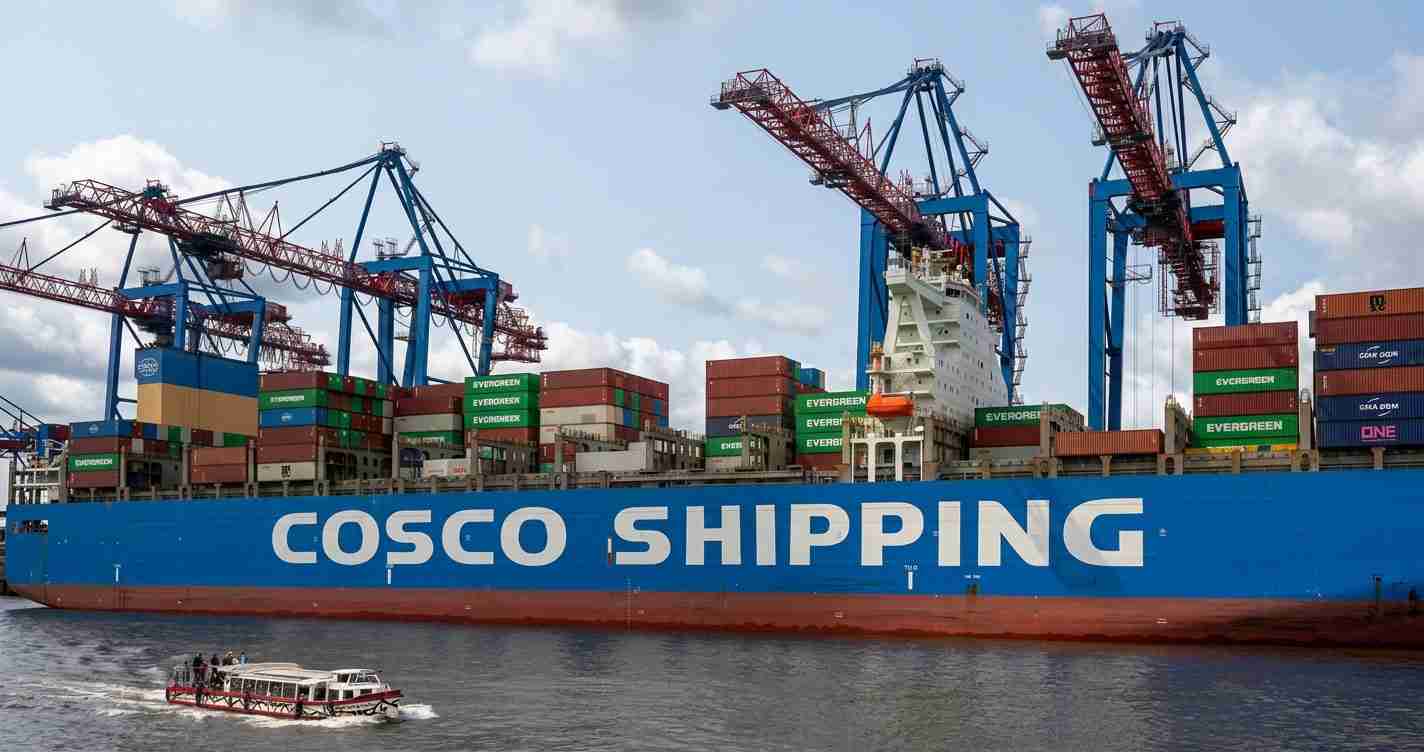
Three Chinese-linked vessels, including two Cosco Shipping ships, reversed course near Larak Island on March 27, 2026, after warnings from Iran’s IRGC Navy — a development that challenges Tehran’s public assurances of safe passage to friendly states.
- Three ships — CSCL Indian Ocean, CSCL Arctic Ocean (both Cosco), and the Hong Kong‑owned Lotus Rising — abruptly turned back near Larak Island after IRGC warnings.
- First outbound Cosco transit attempt since tensions escalated on Feb. 28, 2026, underscoring the gap between diplomatic promises and operational control at sea.
- Iran’s corridor between Larak and Qeshm is being controlled on a case‑by‑case basis, creating uncertainty even for vessels signaling friendly ties.
- Economic ripple effects may reach places such as Las Vegas via higher fuel and shipping costs, supply delays, and convention/travel disruptions.
Incident details: what happened near Larak
Timeline and tracking: Ship‑tracking services recorded the CSCL Indian Ocean and CSCL Arctic Ocean attempting to transit the narrow corridor near Larak Island between roughly 03:20 and 03:50 GMT on March 27, then executing abrupt U‑turns. The Hong Kong‑owned Lotus Rising also reversed course, according to MarineTraffic data and researchers at the Foundation for Defense of Democracies (FDD), as cited in regional coverage by China Global South and The Straits Times.
Operational context: The reversed vessels were close to a corridor Iran established on March 13 as an alternative to central lanes. That narrow band, running between Larak and Qeshm islands, now features IRGC checkpoints and rules for authorized passage.
Iranian rules and IRGC warnings
Iran has issued restrictions barring traffic to and from ports tied to countries it labels supporters of the United States and Israel. The IRGC stated it would deny corridor access to ships with ties to those states; an IRGC‑affiliated outlet reported vessels were warned and forced to return if they were heading to or from “allies and supporters of the Zionist‑American enemies.” Regional reporting summarized the statement (see The Straits Times).
IMO circular: Tehran sent a circular to the International Maritime Organization stating passage would be decided on a case‑by‑case basis, effectively giving Iranian authorities wide discretion and creating uncertainty for ship owners and operators.
Questions about paperwork, prior port calls and signaling
Maritime analysts suggest the three ships may have lacked specific paperwork or formal authorization to use Iran’s designated corridor. Reports noted the Cosco vessels had visited ports since mid‑February that Iran considers hostile — including Jebel Ali (Dubai), Dammam (Saudi Arabia), and Khalifa Port (Abu Dhabi) — which may have informed IRGC suspicion, per coverage in China Global South and The Star.
Cosco ships broadcast AIS messages indicating Chinese ownership and crew to signal friendly ties, but that apparently did not secure permission at the IRGC checkpoint, according to reporting summarized by The Straits Times.
Diplomatic claims vs. action at sea
Diplomatic assurances — Tehran has publicly listed China, Russia, India, Iraq and Pakistan among countries guaranteed safe passage. Yet the March 27 turnbacks illustrate a persistent gap between those public pledges and the IRGC’s operational control at sea, where checkpoints and discretionary enforcement determine outcomes.
China reportedly pressed Tehran diplomatically ahead of the transit attempts; ministerial contacts sought guarantees for Chinese shipping and crews, but those diplomatic efforts did not prevent IRGC enforcement in this case (regional reporting and a YouTube video compilation summarize the events).
Broader impacts: shipping, energy and supply chains
The episode is part of a wider disruption that has slowed or halted energy exports from the Gulf — affecting Saudi crude and Qatari LNG — and contributing to pressure on roughly 20% of global oil flows. That squeeze increases price pressure and supply uncertainty worldwide (The Star; The Straits Times).
Cosco paused and then partially resumed bookings for Gulf routes in late March, illustrating how carriers and shippers are adjusting. Analysts warn sustained instability could strand hundreds of ships, delay goods, and pressure factories — with southern Chinese manufacturers already reporting slowdowns and containers stuck at ports (China Global South).
Analyst perspectives
Expert takeaways: Observers say the episode highlights limits to Tehran‑Beijing coordination. While Beijing has diplomatic leverage, the IRGC’s operational control can override assurances. Kpler analyst Rebecca Gerdes summarized the prevalent view: “safe passage could not be guaranteed,” pointing to paperwork, prior port calls and operational discretion as likely drivers of the turnbacks (regional reporting compiled by The Straits Times and China Global South).
Implications for Las Vegas, Nevada
Economic ripple effects: Las Vegas relies on global tourism, conventions and supply chains. Higher fuel and shipping costs stemming from Strait disruptions can raise airfare, freight costs and operating expenses for hotels, casinos and construction projects — potentially translating into higher consumer prices locally.
Convention and travel planning: Event planners should monitor airline notices and fuel surcharges; group travel from Asia may be affected if carriers adjust routes or pricing because of higher jet fuel or logistics disruptions.
Local businesses and supply chains: Retailers, restaurants and casinos that depend on imported goods could face slower restocking and higher costs; just‑in‑time operations are particularly vulnerable.
Practical steps for Las Vegas stakeholders
- Monitor fuel futures and airline notifications for cost and schedule changes.
- Review inventory plans and supplier contracts to build flexibility for longer lead times.
- Coordinate with local chambers and business groups to prepare contingency plans for price shocks and supply delays.
Sources and reporting notes
This article draws on ship‑tracking and maritime reporting cited by regional outlets and analysts, including China Global South, The Star (Malaysia), and The Straits Times. Video compilations and further footage are available via a YouTube video compilation and a Times of India video. Additional maritime context was reported by Lloyd’s List and Reuters as cited in the outlets above. The IRGC’s position was carried by outlets including Nour News and summarized in regional reporting.
All URLs and reporting references used in this article are preserved from the original reporting and source list.