
Trump to Send ICE Agents to Airports to Support TSA During DHS Shutdown, Raising Security and Civil‑liberty Questions
President Trump announced ICE agents will deploy to U.S. airports to support unpaid TSA staff during a partial DHS shutdown, a rapid plan that has raised operational, security and civil‑liberty concerns from unions, experts and advocacy groups.
- Federal deployment announced: The president said ICE would “help our wonderful TSA Agents,” per Axios, but officials haven’t released locations, numbers or shift details.
- Operational and training alarms: Former TSA leaders warn checkpoint work requires months of training; critics say assigning ICE risks missed threats and civil‑liberty harms.
- Immigration enforcement mixed with screening: Administration statements indicate immigration enforcement will be part of deployments, prompting sharp criticism from the ACLU and unions.
- Local impact concerns: Major hubs like Las Vegas could see delays, tourism impacts and community fear if ICE operates in passenger areas.
Details of the announcement
President Trump posted on his social platform that “On Monday, ICE will be going to airports to help our wonderful TSA Agents who have stayed on the job despite the fact that the Radical Left Democrats … are holding back the money” as part of a response to the ongoing partial DHS funding fight. The administration framed the move as relief for unpaid TSA employees while criticizing Democrats for blocking DHS funding bills. Reporting on the announcement is available from Axios.
Tom Homan’s rapid deployment plan
Tom Homan, the administration’s border czar, described a plan to deploy ICE personnel quickly to airports. He said ICE would free TSA officers for core screening tasks — passenger and bag checks — by assigning ICE to non‑specialized duties such as guarding exits and verifying IDs. Homan told State of the Union that ICE would not operate x‑ray machines and that his goal was to let trained TSA staff focus on screening.
Gaps in the plan
The White House has referred questions back to the president’s post. There is no public list of airports that will receive ICE personnel and no released numbers, shift plans, or training protocols for agents who would work in passenger areas. That paucity of detail has raised alarms among security experts, unions and civil‑rights groups.
Training and security risks
Former TSA Administrator John Pistole and other security experts warned that TSA screening work requires months of training and certification. Pistole noted TSA officers undergo four to six months of training and cautioned that expecting ICE to perform checkpoint work without that training is risky — an untrained screener could miss a critical security threat.
“Even if legally allowed, authorization is not the same as competency,” Pistole said, adding that a legal pathway “does not imply it is a wise decision.”
Immigration enforcement component
Administration officials said deployments would include immigration enforcement as part of routine airport policing. Homan told CNN that “we conduct immigration enforcement at airports routinely. Therefore, this will remain unchanged.” Reporting indicates some operations may focus on detaining undocumented immigrants from Somalia and other groups. Critics argue that mixing enforcement with passenger screening will chill travel and create fear among immigrant communities.
The ACLU described the plan as “unprecedented,” warning it risks turning airports into sites of intimidation and deterrence rather than safe travel hubs.
Union and congressional reactions
The American Federation of Government Employees (AFGE), which represents many TSA officers, rejected the plan. AFGE President Everett Kelley said, “introducing untrained personnel at security checkpoints does not address a gap; it creates one.” Democratic lawmakers framed the deployment as a political stunt that won’t solve staffing and pay issues; Senator Patty Murray warned it risks wrongful detentions and harassment of travelers.
Why the DHS shutdown continues
The partial DHS shutdown began after lawmakers failed to agree on a funding package in mid‑February. The impasse traces in part to heightened policy fights after the January deaths of U.S. citizens Renée Good and Alex Pretti, who were killed during an immigration‑related federal law enforcement operation in Minneapolis. Democrats have repeatedly blocked DHS funding bills, seeking new limits on ICE and CBP operations; Republicans have resisted separating agency funding from broader DHS policy disputes. Coverage and context are discussed in reporting from Axios and Time.
Operational strain at airports
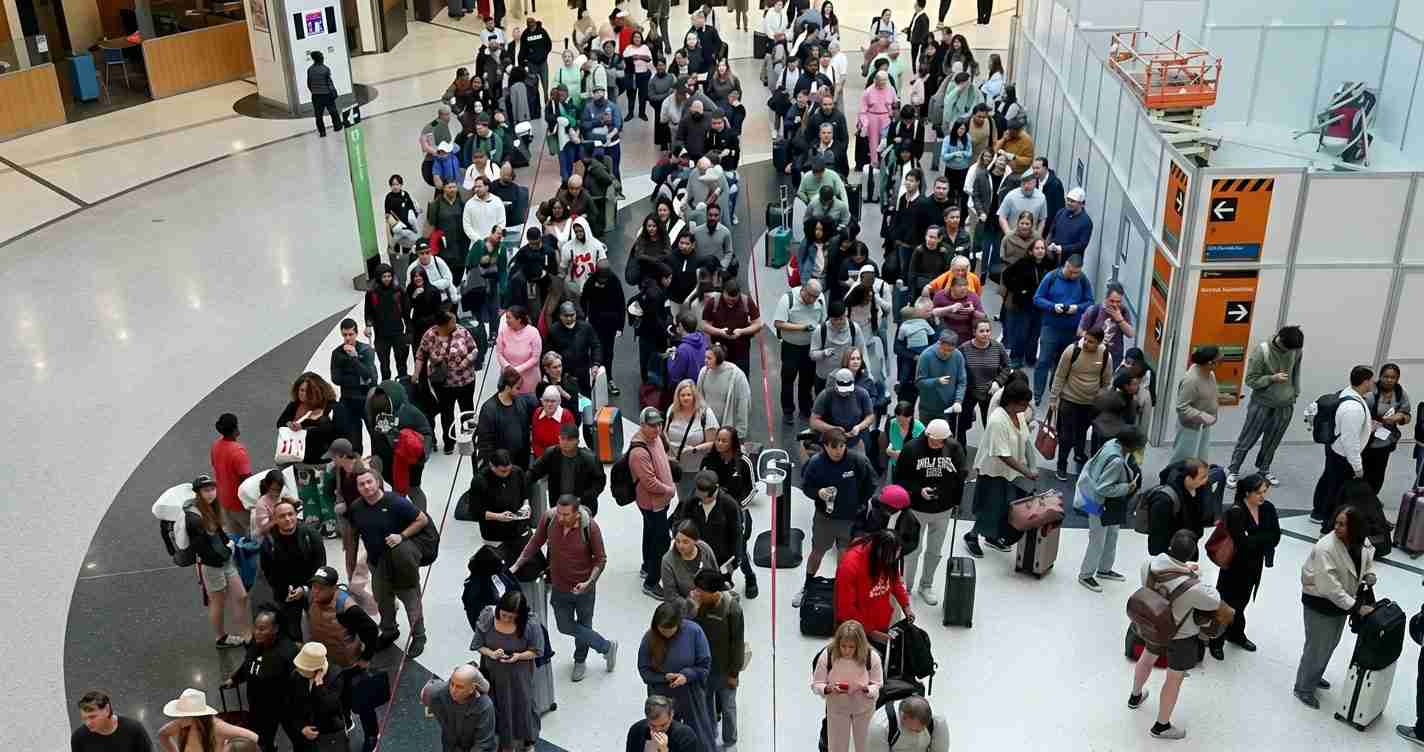
The staffing crisis is tangible: DHS reported that 366 transportation security officers have resigned during the shutdown. Airport managers warn continued absences could force closures of screening lanes or even smaller airports. TSA agents have been working without pay for more than five weeks, increasing fatigue and stress among frontline workers.
Legal questions and authority
There is no clear legal bar to assigning ICE or other federal agents to perform some airport security functions if acting DHS leaders approve. But legal authority does not erase operational or civil‑liberty concerns. Experts emphasize differences between what can be done on paper quickly and what should be done to protect passengers and rights; the rapid timeline raises questions about oversight, chain of command, and complaint handling.
Implications for Las Vegas, Nevada
Local stakeholders in Las Vegas face varied impacts if ICE agents operate in passenger areas at Harry Reid International (McCarran):
- Airport operations and travel delays: As one of the nation’s busiest airports, staffing shifts could slow passenger flow; confusion during rapid deployment could lengthen lines and cause flight delays.
- Local tourism and business impacts: Visible ICE activity may deter international visitors and affect conventions; hotels and casinos dependent on smooth arrivals could see knock‑on effects.
- Community and immigrant relations: A large immigrant population may experience increased fear, discouraging travel or access to services; local advocacy groups and officials may be pressured to respond.
- Public safety and perception: Experts warn that untrained personnel doing screening tasks could raise safety risks and damage the city’s hospitality image.
- Local workforce and unions: While some frontline workers might welcome relief in theory, unions oppose the plan; workplace friction or formal complaints are possible if local TSA officers object.
Sources and further reading
– Axios reporting on ICE deployment and administration statements
– Time reporting on DHS shutdown, policy demands and airport impacts
– ACLU statement criticizing airport ICE deployment
Bottom line: This developing plan raises immediate operational questions and legal and civil‑liberty concerns. Officials in Washington and at local airports must clarify where ICE agents will be sent, exact duties, protections for travelers’ rights, and expected effects on travel in Las Vegas and other major hubs.



