Burger King’s “Patty” expands to more U.S. drive‑thrus — an AI manners coach that listens to staff and sparks privacy concerns
Burger King has introduced “Patty,” an OpenAI‑powered headset assistant that listens for greetings and polite words to coach employees, assist operations, and help managers analyze drive‑thru data — a rollout expanding nationwide amid workplace surveillance concerns.
Key takeaways
- Patty is part of BK Assistant and uses OpenAI tech to flag greetings and polite language, producing aggregated location reports for manager coaching — not individual public scorecards. (Fox News; MediaPost; The Jerusalem Post)
- Beyond manners, Patty answers recipe/cleaning questions, flags equipment and inventory issues, and can update menus/apps when items are out of stock. (Fox News; MediaPost; The Jerusalem Post)
- Pilot tests ran in ~100 U.S. locations in 2025, expanding to ~500 in 2026 and aiming for nationwide rollout by end of 2026; web/app versions expected later. (Fox News; MediaPost; The Jerusalem Post)
- Labor and civil‑liberty groups warn of surveillance risks; Burger King says Patty does not record full conversations or individually score employees. (Fox News; MediaPost; The Jerusalem Post)
How Patty works: manners coach, kitchen assistant and data hub
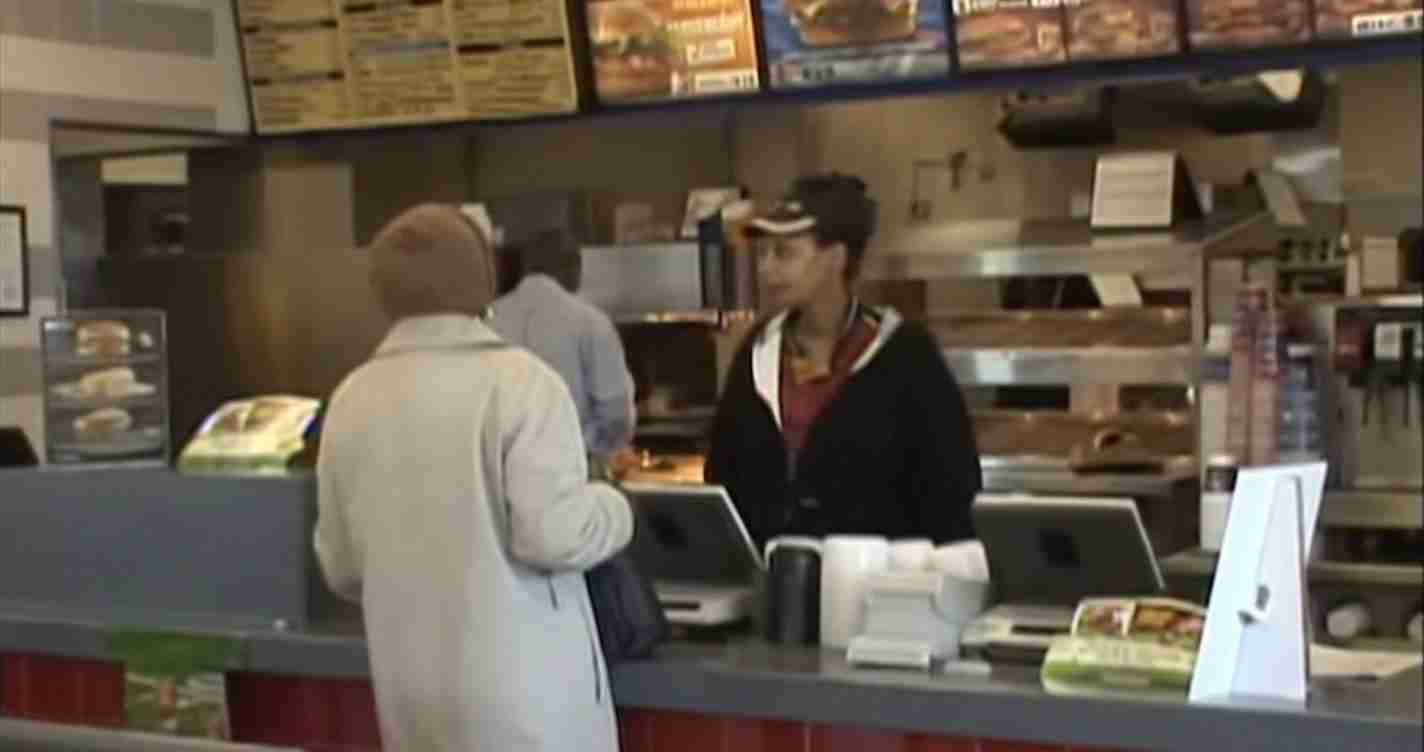
Patty sits on employee headsets and listens for targeted keywords and phrases — for example “Welcome to Burger King”, “please” and “thank you” — during drive‑thru interactions. The system flags those cues and turns them into aggregated, location‑level reports designed for manager coaching rather than public, individual scorecards. (Fox News; MediaPost)
Manners and coaching
The assistant emphasizes consistency: it highlights scripted greetings and polite words so managers can spot service patterns across shifts and locations. Company leaders say the aim is to reduce guesswork in training and to reinforce hospitality standards for new hires. (Fox News; MediaPost)
Real‑time kitchen and inventory assistance
Patty also answers staff questions — from recipe counts (“how many bacon strips?”) to cleaning procedures — and monitors inventory and equipment signals. It can flag repeated “item unavailable” mentions, prompt managers about supply gaps, and push updates to digital menus and apps within about 15 minutes when stock changes. That operational data has already influenced menu choices. (Fox News; The Jerusalem Post)
Rollout and scale
Burger King piloted Patty in roughly 100 U.S. locations in 2025. The company plans to expand to about 500 stores in 2026 with an aim for a nationwide rollout by the end of 2026; web and app versions are expected later, allowing managers and corporate teams to view insights without headset input. Future updates may analyze conversational tone, not just keywords, to provide richer shift‑level context. (Fox News; MediaPost; The Jerusalem Post)
Industry context: where Patty fits
Many fast‑food chains — including Wendy’s, Taco Bell, McDonald’s, Pizza Hut and KFC — have tested AI in drive‑thrus, often focusing on automated ordering. Burger King’s approach is notable because Patty centers on employee coaching and backend operations rather than replacing staff with voice ordering systems. Trials across the industry show mixed customer experiences: some speed gains but also glitches and order errors. (Fox News; The Jerusalem Post)
Criticisms, labor concerns and public reaction
Labor groups and civil‑liberty advocates warn that tools like Patty can feel like constant surveillance, creating pressure on hourly workers to hit scripted behaviors even during rushed shifts or when facing rude customers. Advocates point to similar systems in warehouses and retail that have been described as invasive and context‑blind. (Fox News; MediaPost)
Burger King says Patty does not record full conversations or individually score employees; executives frame the tool as training‑oriented. Still, social media posts from some staff show anxiety about being monitored for minor lapses, prompting calls for strong guardrails on data use and worker protections. (Fox News; The Jerusalem Post)
Patty’s impact on menus and operations
Operational signals captured by Patty — for example, frequent “item unavailable” mentions — have already helped steer menu decisions, such as restoring apple pie after its 2020 removal. This demonstrates how voice and inventory data can move from daily operations into marketing and product choices. (Fox News; MediaPost; The Jerusalem Post)
Implications for Las Vegas, Nevada
Economic impact
Las Vegas relies heavily on tourism and high turnover in hospitality and food service. If Patty reaches Burger King locations on the Strip, at the airport, and in tourist corridors, it could change training and inventory management. Faster detection of shortages and equipment faults may reduce lost sales from out‑of‑stock items and speed service during peak visitor flows, potentially boosting day‑to‑day efficiency and sales for franchised stores. (Fox News; MediaPost)
Political consequences
Las Vegas has an active hospitality labor movement, including the Culinary Union. Though most fast‑food workers in Nevada aren’t unionized, the rollout of workplace AI could become a political issue. City and county leaders, plus state lawmakers, may face pressure to consider rules on workplace surveillance, worker notice, and data protections — such as requiring disclosure of conversation monitoring or limits on data use in staffing decisions. (MediaPost; The Jerusalem Post)
Social effects
For frontline workers, Patty could provide clearer guidance during hectic shifts and shorten training time. But it may also increase stress if employees feel every interaction is tracked — a particular concern in Las Vegas, where night shifts and intoxicated customers are common. Local labor advocates are likely to push for safeguards so machines do not penalize workers for difficult customer behavior. (Fox News; MediaPost)
Cultural relevance
Las Vegas brands itself on hospitality and fast, friendly service. An AI that nudges politeness could align with visitor expectations for quick, pleasant interactions — if customers perceive it as authentic. Tourists seeking consistent menus and smooth ordering may welcome the changes, while locals and workers may question whether robotic coaching alters the human warmth Las Vegas patrons expect. (The Jerusalem Post; Fox News)
Practical applications for residents
For Las Vegas drivers, Patty may reduce wrong or missing items and enable faster corrections when machines or ovens fail. Inventory alerts could limit surprises like sudden unavailability of favorites. For workers, recipe and cleaning prompts can shorten training time — but community groups may demand clear notice when conversations are monitored and limits on data retention or use in staffing decisions. (Fox News; MediaPost; The Jerusalem Post)
What to watch next
Patty’s expansion highlights a broader industry shift: using AI not only for ordering but to shape worker behavior and back‑of‑house operations. As Burger King scales the system, cities like Las Vegas will serve as testing grounds to see whether speed and consistency gains outweigh concerns about privacy and worker well‑being. Stakeholders will watch for policy responses, disclosure practices, and the strength of guardrails protecting hourly employees. (Fox News; MediaPost; The Jerusalem Post)