Van Nuys Boulevard at the center of alleged Los Angeles hospice fraud as authorities cut payments and revoke licenses
Lawsuits and federal probes allege a sprawling network of sham hospices concentrated on Van Nuys Boulevard stole billions from Medicare, prompting license revocations, payment cuts and investigations into patient trafficking that threaten elder-care trust across Los Angeles County.
- Auditors and federal investigators say Los Angeles County hospices massively overbilled Medicare, with state audits citing roughly $105 million in one year and other federal estimates probing much larger sums — see the Energy & Commerce letter and Hospice News.
- Investigators identify concentrated clusters along Van Nuys Boulevard and nearby corridors — hundreds of listings and dozens of companies tied to single addresses, documented by local reporting and video investigation (CBS reporting (video)).
- Officials responded by revoking licenses, cutting Medicare payments and pursuing prosecutions — see state announcements and federal actions including the DOJ press release and California statements (California governor’s office statement).
How big is the problem in Los Angeles?
Los Angeles County hosts roughly 1,900 hospice providers — a total larger than the number of providers in many states combined. State auditors estimated county hospices overbilled Medicare by about $105 million in a single year, while federal reviews examine substantially larger suspected losses (Energy & Commerce letter, Hospice News).
Investigators point to an unusually dense concentration of providers along parts of Van Nuys Boulevard: an analysis found nearly 500 hospices in a three-mile radius around that stretch, with 137 listed on the boulevard itself and 89 companies registered to a single building — findings documented in investigative video and reporting (CBS reporting (video)).
The tactics investigators say are being used
Prosecutors and auditors describe a pattern that includes:
- Sham billing for hospice care that was never needed or provided.
- Medicare patient trafficking: recruiters coax or buy Medicare numbers from seniors with cash, gift cards or goods, then sell those identifiers to providers — a single Medicare number can be worth $1,000–$3,000 per month to fraudsters (DOJ press release).
- Ghost addresses: vacant storefronts, auto shops or non-existent addresses used as listed sites.
- License flipping and straw owners to hide true control and evade enforcement.
Regulators also found shared personnel across many companies — nearly 40 companies sharing key staff — and repeated operational deficiencies on inspections from 2021–2025 (CBS reporting (video)).
Real cases, real sentences
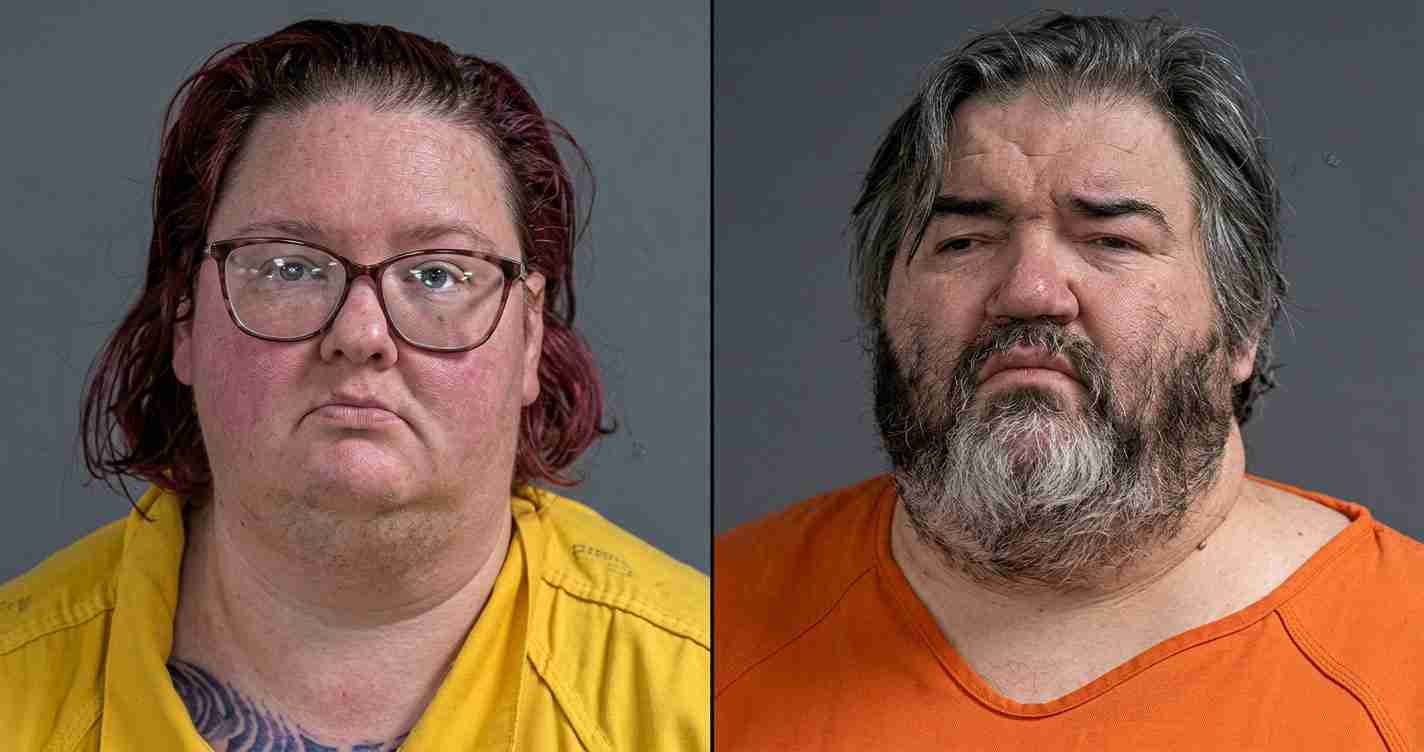
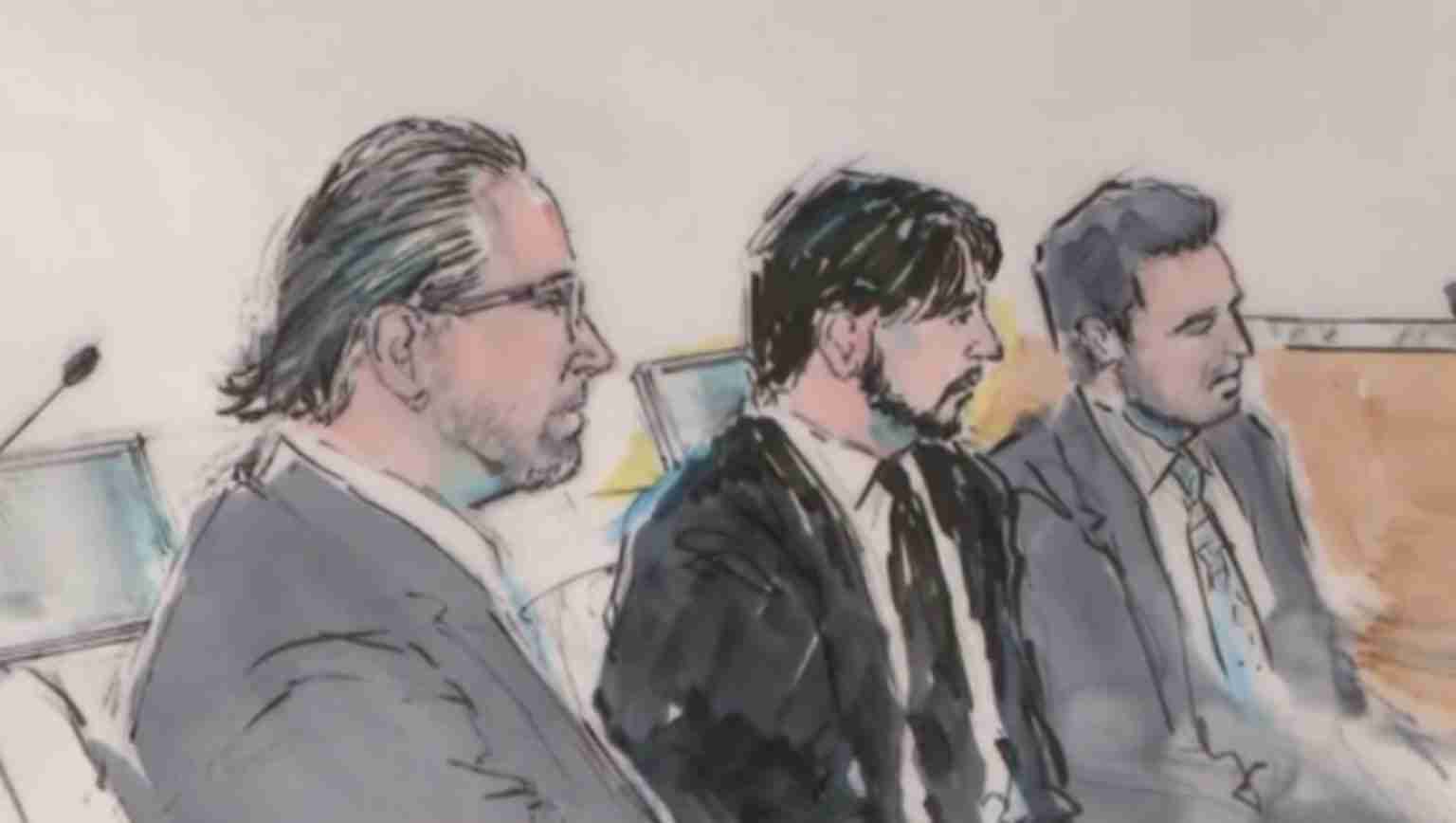
Federal prosecutors say these schemes produced concrete convictions. In one widely reported case tied to sham hospices including House of Angels, four people were sentenced in late 2025 after pleading to health care fraud and money laundering, with the government describing about $16 million in losses from 2019–2023 (DOJ press release).
“This is an epidemic,” Attorney General Rob Bonta said, capturing the tone of state officials confronting the abuses.
State and federal response
California imposed a moratorium on new hospice licenses in 2022 and has since revoked more than 280 licenses, with roughly 300 more under evaluation. State agencies and the attorney general’s office have increased audits, enforcement and prosecutions (Hospice News, California governor’s office statement).
At the federal level, the Centers for Medicare & Medicaid Services (CMS) has begun cutting payments to suspicious providers in Los Angeles, while the Department of Justice and HHS coordinate investigations. House lawmakers have requested details from the HHS Office of Inspector General and scheduled hearings to probe common schemes and harms (Energy & Commerce letter).
Oversight gaps and industry alarm
Experts say the rapid growth of providers outpaced regulators. Dr. Ira Byock and other palliative-care leaders warned that volume and complexity overwhelmed enforcement capacity, while accreditation groups flagged problems in how licenses were issued or sold and in license flipping (Hospice News, Energy & Commerce letter).
Industry leaders like Sheila Clark, president and CEO of the California Hospice and Palliative Care Association, described the Van Nuys cluster bluntly: “You can’t throw a rock without hitting a hospice,” warning that fraudsters were acting like “human traffickers.” State officials have echoed the urgency.
Reporting and data behind the claims
Investigative reporting, whistleblower submissions and auditor work uncovered addresses where multiple agencies were listed at single sites — including empty storefronts, an auto parts shop and long-unoccupied offices. A CBS correspondent documented piled mail and empty suites; state auditors flagged more than 700 of roughly 1,800 county hospices as triggering multiple fraud indicators (CBS reporting (video), Energy & Commerce letter).
Implications for Las Vegas, Nevada
Economic impact: Nevada hospitals and elder-care providers could face downstream effects if CMS tightens payments nationwide. Providers that accept Medicare should prepare for more audits and slower reimbursements, which may strain cash flow for small operations (Hospice News, Energy & Commerce letter).
Political consequences: Nevada lawmakers and regulators may face pressure to strengthen licensing and oversight as federal attention grows — hearings and requests for anti-fraud plans could prompt new rules affecting multiple states.
Social effects and cultural relevance: Reports of Medicare patient trafficking and sham hospices erode trust, particularly among diverse senior communities in Las Vegas. Community groups, case managers and providers should increase outreach and education about safe hospice enrollment and how to spot recruiter coercion (Fox News coverage, DOJ press release).
Practical actions: Hospitals and nursing homes should audit discharge and hospice referral processes. Nevada licensing boards and Medicaid administrators may tighten verification for hospice site visits, review addresses used by out-of-state operators and alert beneficiaries. Families should request written provider information, verify physical addresses and contact state health officials if concerns arise (Hospice News).
Sources and reporting
This article draws on reporting, auditor findings and government releases, including the Energy & Commerce letter, Hospice News, the DOJ press release, Fox News coverage, the California governor’s office statement, CBS reporting (video), and Los Angeles Times coverage (Los Angeles Times coverage).
Key documents and links: