Hezbollah and Iran Launch Near-Simultaneous Strikes on Israel, Experts Say
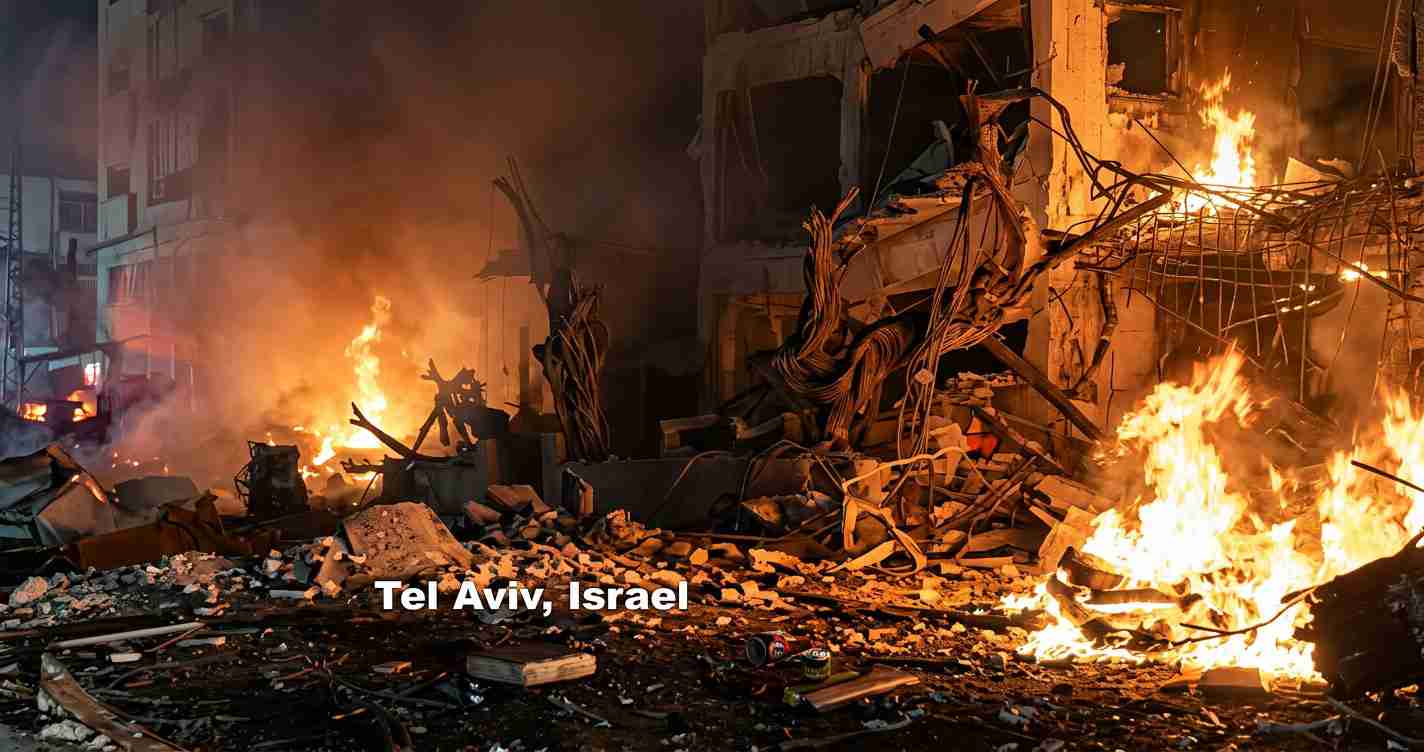
On March 4–5, 2026, Iran and Lebanon-based Hezbollah launched near-simultaneous missile, rocket and drone strikes on Israel, hitting major cities and triggering air-raid sirens and mass sheltering in a dramatic new phase of regional tensions.
- Near-simultaneous waves: Analysts and eyewitnesses described synchronized missile, rocket and drone barrages across central and northern Israel.
- Defenses engaged: Israel’s layered air defenses shot down most projectiles, though injuries, damage and debris effects were reported.
- Coordination disputed: Security researchers argued coordination; Israeli intelligence said no confirmed direct operational control was evident.
- Unverified technical claims: Public reporting and video material describe ballistic missiles, rockets and drones but do not definitively confirm cluster munitions use.
Iran-Hezbollah simultaneous attacks — what happened and the timeline
Eyewitnesses and analysts reported that Iranian missiles and rockets from Lebanon-based Hezbollah forces struck Israel in near-synchronized waves starting March 4 and continuing into March 5. Reports describe ballistic missiles launched from Iran while Hezbollah fired rockets and drones from southern Lebanon at roughly the same times, striking central Israel around early afternoon local time on March 4. For contextual reporting see regional analysis by Elijah Magnier and the Times of Israel dispatch.
Israeli defenses and response
Air defenses: Israel’s Iron Dome, David’s Sling and Arrow batteries intercepted many incoming rockets and missiles, though analysts warned that near-simultaneous barrage tactics can strain layered systems. Reports indicate the Israeli Air Force struck Hezbollah infrastructure in southern Beirut and southern Lebanon, and the IDF reported ground operations pushing toward the Litani River with clashes near Khiam. See additional reporting from The Jerusalem Post for operational details.
Coordination debate: expert claims versus Israeli intelligence
“Fully coordinated,” said Kobi Michael, a senior researcher at the Institute for National Security Studies and the Misgav Institute, describing simultaneous launches near Tel Aviv from a shelter. (Field briefing excerpts available on video.)
Analysts and some eyewitnesses argue timing and patterns pointed to deliberate coordination. However, IDF spokespeople cautioned against assuming direct operational control by Tehran over Hezbollah’s launches; officials told local outlets they had no confirmed intelligence proving direct command-and-control links. Independent reporting notes the difficulty of proving centralized coordination despite close political and military ties. See a field briefing excerpt: video interview.
Cluster munitions: claims, conventions and limits of verification
Some media and commentators described bright, hard-to-intercept warheads and significant fragmentation effects, with online claims alleging use of cluster munitions. The 2008 Convention on Cluster Munitions bans such weapons for their indiscriminate harm and long-term danger from unexploded bomblets. However, a review of publicly available reporting and video from March 4–5 shows descriptions of ballistic missiles, rockets and drones but no definitive, independently verified evidence that cluster warheads were used. Night-time imagery and orange fireballs can be misleading without forensic examination. See video and field material such as this briefing: video footage and analysis.
Hezbollah tactics and the fight on Lebanon’s border
Reporting indicates Hezbollah is employing guerrilla and asymmetric tactics: small units, limited electronic communications and selective use of heavy anti-tank munitions. Israel says Hezbollah has not yet employed its full arsenal, but cross-border raids, skirmishes and anti-armor claims have increased, with reported incidents of strikes on Israeli armor referenced in local coverage.
Strategic developments and wider context
Some reports frame the March 4–5 strikes as part of a cycle of rising violence following earlier U.S.-Israeli operations against Iranian assets—accounts that named early actions as Operations Epic Fury and Roaring Lion. Iran’s Revolutionary Guards claimed strikes on or near Ben Gurion Airport and air bases using heavy missiles (including named systems such as the Khorramshahr-4). Israel responded with additional airstrikes on Iranian-linked targets and Hezbollah sites in Beirut suburbs (Dahiyeh) after issuing evacuation warnings. Political responses in the U.S., including deliberations in Congress, unfolded as the conflict widened. For perspective, read regional commentary at Elijah Magnier and reporting at Asharq Al-Awsat.
Sources and reporting notes
This article draws on regional reporting, video briefings and local Israeli outlets. Key sources and further reading include:
- Times of Israel dispatch and related coverage
- The Jerusalem Post report
- Regional analysis by Elijah Magnier
- Video briefing and footage (March 4–5)
- Video interview / field briefing
- Report on absence of confirmed direct coordination (Asharq Al-Awsat)
Implications for Las Vegas, Nevada
Economic impact: Las Vegas markets and tourism are sensitive to global risk signals—widening conflict can raise fuel and airline costs, increase market volatility, and affect hotel and entertainment operating expenses and visitor flows.
Political consequences: Developments may shape conversations among Nevada voters and officials; local leaders could call for measured U.S. engagement, humanitarian assistance or clear protection for American citizens abroad.
Social effects: Diverse Las Vegas communities with ties to the Middle East may experience heightened anxiety; local groups and faith leaders may organize information sessions, donations or vigils. Schools and cultural institutions may receive requests for assistance and calm.
Cultural relevance and practical guidance: Humanitarian organizations in Las Vegas may mobilize for refugee and medical aid. Travelers should monitor travel advisories, check airline policies and maintain flexible plans; families should use official consular registers and verified news sources. Local emergency managers can remind residents of county resources.
Photo and reporting note for Las Vegas readers
Reliable updates come from official sources such as the U.S. State Department and major international outlets. Nevada residents wishing to help should verify charities and use established organizations when directing aid.