Tehran’s strike campaign and Strait of Hormuz threats squeeze shadow shipping, rattling Russia and China’s energy lifelines
Escalating Iran–Israel clashes are disrupting shadow shipping and threatening the Strait of Hormuz, squeezing Russia and China’s energy lifelines, raising insurance and rerouting costs, and risking higher global fuel and commodity prices, with immediate implications for markets and consumers.
Key takeaways
- Strait of Hormuz risks: Iran’s March 2, 2026 announcement and subsequent threats sharply reduced tanker traffic and raised insurance and rerouting costs (Wikipedia, Axios, Euronews).
- Shadow fleet enforcement: Western interdictions, including the seizure of MT Ethera, and a price-cap regime are curbing sanctioned oil flows and straining Russia and China’s access to cheap crude (Euronews).
- Market impact: The strait handles ~25% of maritime oil and ~20% of LNG exports; disruptions portend price volatility for fuel, fertilizer and broader commodities (Axios).
- Local effects: Regions like Las Vegas may face higher consumer prices, operational costs for energy‑intensive businesses and political pressure to respond.
Main analysis
Strait of Hormuz closure and shipping disruption
March 2, 2026: Iran declared the Strait of Hormuz closed and warned vessels attempting passage could be attacked. The announcement immediately rattled global shipping: companies and insurers moved to avoid the area, leaving hundreds of merchant vessels waiting or rerouting.
Maritime authorities effectively designated the Strait of Hormuz, the Gulf of Oman and the Persian Gulf as a “warlike operations area,” which raised insurance premiums and prompted many tankers to avoid the route entirely. That practical squeeze occurred even after Iran’s deputy foreign minister later clarified the strait had “not yet closed” and Tehran had “no intention to do it until further notice” (Economic Times).
Shadow fleet targeting and sanctions enforcement
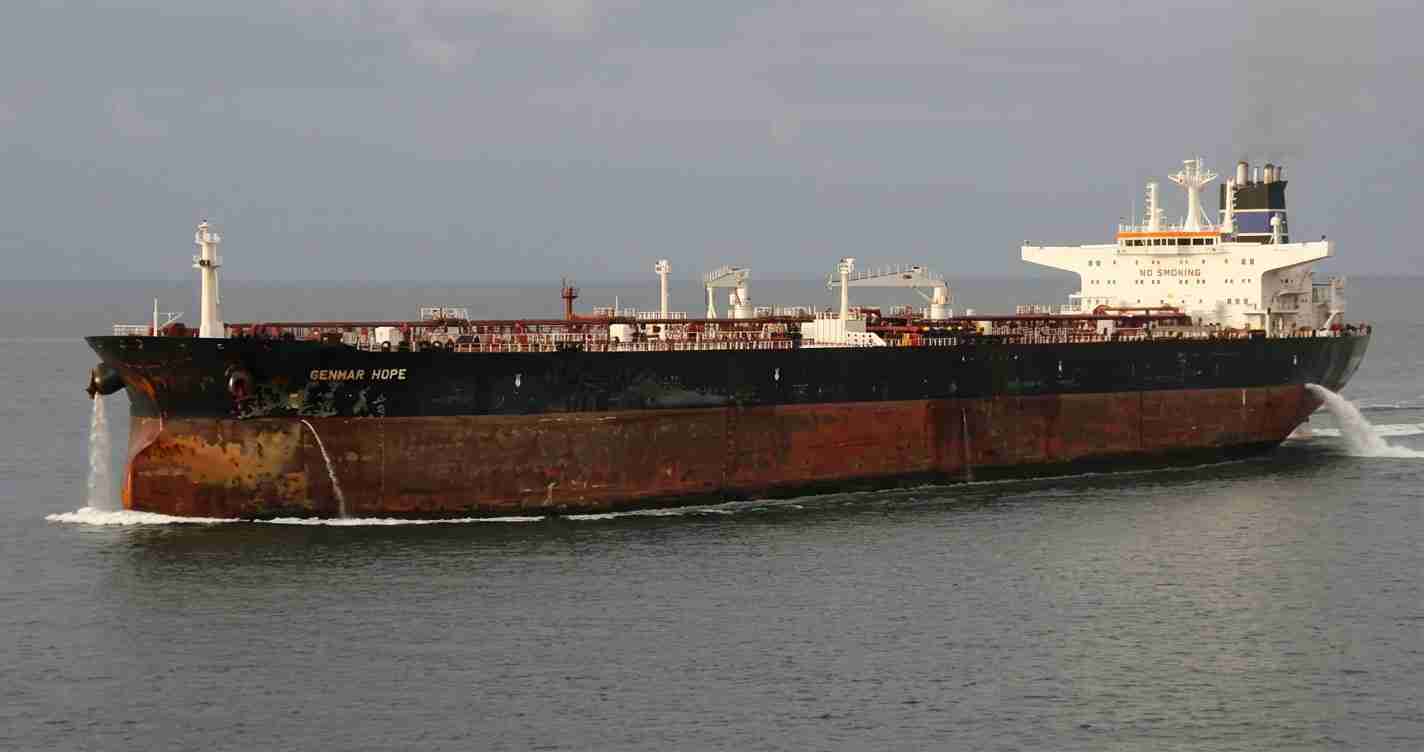
Beyond visible commercial shipping, a gray market of unflagged or covertly flagged tankers — the “shadow fleet” — moves sanctioned oil for countries under international restrictions. Western navies and law-enforcement partners have intensified operations against these vessels as the Iran‑Israel conflict escalated.
Belgian forces intercepted the MT Ethera in the North Sea and diverted it to Zeebrugge for seizure. Authorities allege the tanker is tied to figures close to Iran’s leadership and to networks moving Iranian and Russian crude (Euronews).
The U.S. has also established pressure points — including a quasi‑naval quarantine on oil bound for Cuba — and warned other potential intermediaries against facilitating shipments to sanctioned regimes, aiming to choke off alternative routes that have allowed Moscow and Tehran to monetize oil despite limits (Euronews).
Ural Price Cap and tightening the vise on Russia
A Western coalition enforcing the Ural Price Cap recently set the ceiling near $44 per barrel to limit Russian oil revenue. Combined with heightened interdictions of the shadow fleet, the cap squeezes channels that Moscow has used to offset sanctions.
If enforcement continues and shadow shipments shrink, Russia could see reduced cash flow to fund state activities, including military operations — a deliberate outcome of the cap and interdictions.
China’s exposure: reliance on sanctioned routes and rising costs
China has been reported to rely in part on sanctions‑evasion channels for Iranian crude. Disruption of the shadow fleet forces buyers like China to seek legally flagged supplies or pay higher premiums, increasing costs for industry and creating inflationary pressure.
Analysts warn such supply shocks could complicate Chinese military and industrial supply chains that depend on steady, low‑cost energy (Euronews).
Maritime losses and direct attacks
U.S. Central Command (CENTCOM) released footage of strikes on Iranian vessels carrying drones, and reporting cites that allied actions have sunk more than 30 Tehran‑linked ships since the offensive began. These losses degrade Iran’s ability to maintain covert shipping links and raise the risks and costs of using the shadow fleet (Euronews, Naval Today).
Broader market consequences
The combined effects of threatened Hormuz closures, higher insurance and rerouting costs, seizures of suspect tankers, and actual sinkings are reflected in commodity markets: oil and gas prices have moved higher amid supply uncertainty. Sustained pressure on shadow shipping could reduce flows of cheap sanctioned crude and push up costs for buyers that cannot replace those supplies.
Implications for Las Vegas, Nevada
Economic impact
- Gas and travel prices: Nevada has no major refineries, so higher global oil prices translate into elevated pump prices and airfares, affecting tourism and conventions.
- Business operating costs: Casinos, hotels and entertainment venues are energy‑intensive; rising energy costs could squeeze margins and prompt price increases for visitors.
Political consequences
- Local and state leaders may face pressure to seek federal action to stabilize supply or provide consumer relief.
- Foreign policy debates could gain salience locally among a politically engaged, diverse electorate.
Social effects
- Cost of living squeeze: Higher fuel and food prices (fertilizer disruptions affect food) would strain households and increase demand for assistance.
- Workforce pressures: Rising commuting costs could affect low‑wage hospitality workers and complicate hiring.
Cultural relevance
Las Vegas’s diverse communities include people with ties to the Middle East, China and Latin America. Disruptions that affect supply chains or heighten international tensions may call for targeted local outreach and information efforts.
Practical applications
- Travelers: Expect price volatility; consider booking protections and flexible plans.
- Businesses: Review fuel hedging, contingency plans for energy spikes, and supply chain vulnerabilities tied to fertilizer and shipping routes.
- Policymakers: Prepare targeted relief options, such as expanded fuel assistance or transit support, if inflation accelerates.
Sources and further reading
- Euronews: “Iran claims it hit US tanker as Israel launches fresh strikes on Tehran”
- Axios: “What a Strait of Hormuz shutdown would mean for the U.S. and global economy”
- Economic Times: “Strait of Hormuz is not closed, says Iran; clarifies it has ‘no intentions to shut it until further notice’”
- Wikipedia: “2026 Iran war”
- YouTube: maritime footage and reporting
Reporting assembled from Times Media Service research and the sources listed above.