Six Flags sells seven regional parks to EPR Properties in roughly $331M deal; company says guests won’t be disrupted
Six Flags announced March 5, 2026, it will sell seven regional parks to EPR Properties for roughly $331–342 million, aiming to reduce debt and focus on higher‑return parks while assuring guests of no major disruptions in 2026.
Key takeaways
- Buyer and operators: EPR Properties (a REIT) is acquiring the portfolio; U.S. parks will be operated under a master lease by Enchanted Parks, while La Ronde will be run by La Ronde Operations, Inc. — EPR Properties announcement
- Price and valuations: Six Flags expects about $331 million in cash; EPR reports a gross portfolio valuation of ~$342 million when including working capital and improvements.
- Parks and scale: Seven parks sold hosted ~4.5 million guests and generated ~$260 million in net revenue in 2025; deal expected to close by late Q1 or early Q2 2026.
Deal summary
Announcement date: March 5, 2026. Buyer: EPR Properties (a real estate investment trust). Consideration: Six Flags reported ~$331 million in cash proceeds; EPR described the gross portfolio value at about $342 million when including anticipated working capital and improvements.
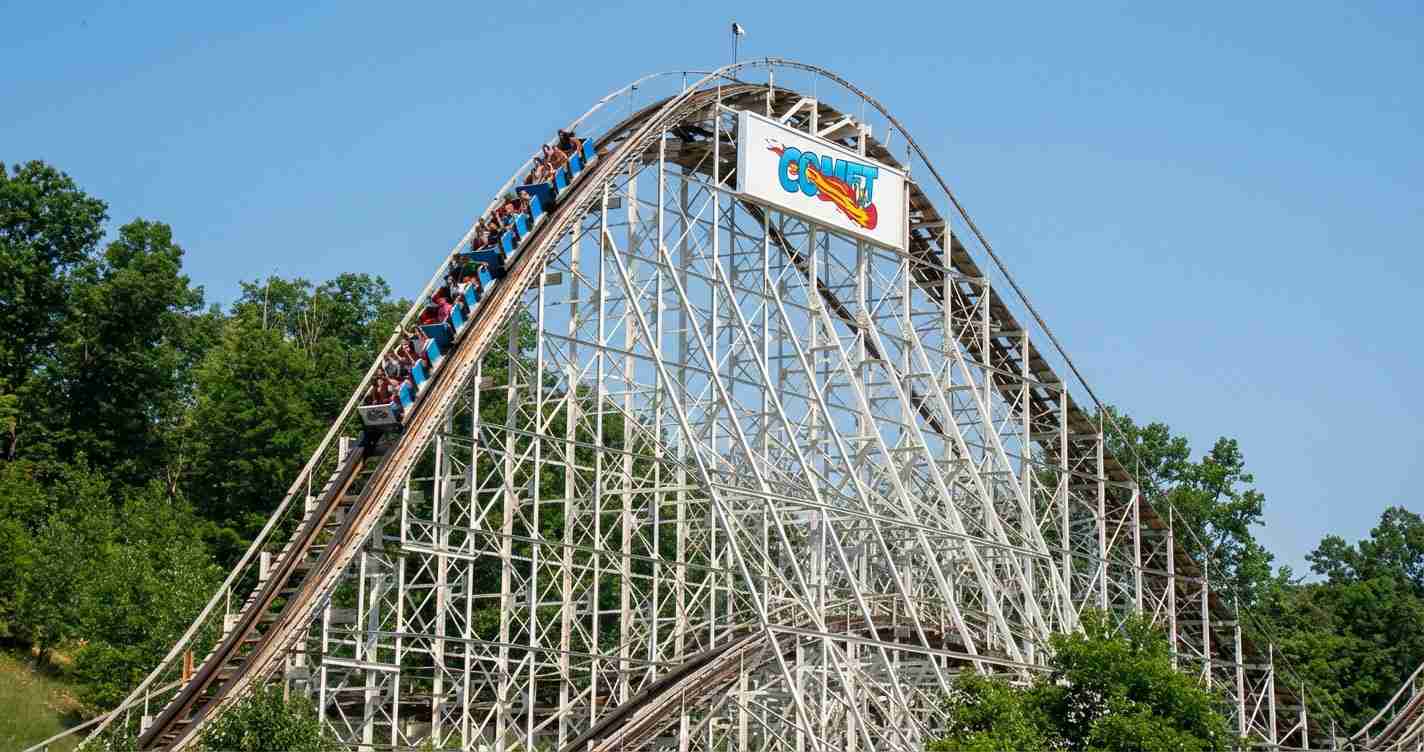
Parks included: Valleyfair (Shakopee, Minn.), Worlds of Fun (Kansas City, Mo.), Michigan’s Adventure (Muskegon, Mich.), Schlitterbahn Waterpark Galveston (Galveston, Texas), Six Flags St. Louis (St. Louis, Mo.), Six Flags Great Escape (Queensbury, N.Y.), and Six Flags La Ronde (Montreal, Quebec). Together the parks hosted roughly 4.5 million guests and produced about $260 million in net revenue in 2025.
Timing: The companies expect the transaction to close by the end of Q1 or the start of Q2 2026, subject to customary closing conditions.
What Six Flags and EPR said
Six Flags president and CEO John Reilly framed the divestiture as portfolio sharpening: “Consistent with our strategy, this divestiture enables us to concentrate our capital, leadership and operational focus on the properties that we believe generate the strongest returns and offer the greatest long-term upside,” adding that “decisions like this are never taken lightly.” (See coverage from Theme Park Insider.)
EPR CEO Gregory Silvers called the move an opportunity to expand EPR’s attractions footprint: “This strategic acquisition represents a compelling opportunity to expand our attractions portfolio with high-quality experiential real estate assets in established regional markets.” EPR noted this is its largest attractions acquisition since 2017. EPR Properties announcement
Deal details and post-sale operations
EPR’s release explains operational arrangements: six U.S. parks will be placed under a master lease to Enchanted Parks (formerly Innovative Attraction Management), while La Ronde in Canada will be run by La Ronde Operations, Inc. EPR’s underwriting referenced a 2.0x coverage ratio and described the portfolio as “high-quality real estate” with master-lease structures.
EPR reported it will fund about $315 million of the purchase and expect tenants/operators to provide working capital and fund improvements to reach the gross portfolio figure near $342 million. That underwrites the observed gap between Six Flags’ ~$331 million cash receipt and EPR’s larger gross portfolio valuation.
Branding and customer-facing changes
EPR is acquiring non‑Six Flags property names and obtains rights to use the Six Flags brand only through the end of 2026. This means park names, logos and brand partnerships could change after 2026 unless new agreements are struck. Both EPR and the incoming operators emphasized they will honor all 2026 season passes, including multi‑park privileges, and that parks should operate on regular schedules during the transition. (Sources: Theme Park Insider, Fox Business.)
Timeline, guest impact and financial context
Six Flags will continue to operate 34 parks across 23 North American locations for the 2026 season. By divesting these seven parks, Six Flags expects to reduce annual attendance exposure by about 4.5 million guests, lower operating complexity, and apply net cash from the sale (after taxes and transaction costs) to reduce corporate debt and reallocate capital toward core parks believed to have stronger long‑term upside.
Industry signals and unanswered questions
The move follows trademark filings tied to Enchanted Parks and underscores a broader trend of REITs and institutional buyers rethinking experiential assets—viewing them as stable, inflation‑hedged real estate with steady rent cash flows. Still, stakeholders will be watching:
- Branding timeline: How quickly will names/logos shift after 2026?
- Capital plans: What improvements will EPR and operators prioritize first?
- Labor and operations: Will staffing models, wages or management change under new operators?
Implications for Las Vegas, Nevada
Economic and tourism signals
- Investment appetite: The acquisition signals institutional interest in experiential and regional tourism assets, which may encourage local pitches for family‑focused attractions or mixed‑use entertainment districts in Las Vegas. (EPR Properties announcement.)
- Visitor patterns: While Las Vegas lacks many large family amusement parks, stronger investment in regional parks could modestly shift some family tourism dollars toward multi‑day regional trips if operators add new attractions.
Jobs and labor market
Transitioning U.S. parks to Enchanted Parks management may bring managerial and operational changes that Nevada employers and labor groups will monitor for potential effects on hiring practices, staffing models and wage standards.
Local investment and development outlook
EPR’s strategy highlights the value of park land and experiential infrastructure. In Las Vegas—where land use and resort expansion are ongoing topics—developers and planners may see opportunities to propose family‑oriented attractions or entertainment districts that borrow from the experiential model favored by REIT investors.
Consumer protections and season passes
For Nevada families holding multi‑park or national passes, the companies’ assurance that 2026 season passes will be honored is important. Consumers should monitor post‑2026 branding rights and operator announcements in case multi‑park privileges change after the brand‑use period expires.
Sources and reporting notes
Reporting for this article relied on Six Flags and EPR public releases and coverage by industry and business outlets. Primary sources include:
This sale marks a clear pivot for Six Flags and a sizable move for EPR. Near‑term continuity through 2026 is the companies’ promise; long‑term branding, capital plans and operational choices will determine how the partnership reverberates across regional and local markets, including Las Vegas.