Trump Confirms “Major Combat Operations in Iran” as U.S. and Israel Strike — Operation Epic Fury Underway
President Donald Trump announced early Saturday that the U.S. has launched “major combat operations in Iran,” calling the coordinated U.S.-Israeli campaign Operation Epic Fury a massive, ongoing effort to neutralize missile, naval and proxy threats to American interests.
Key takeaways
- Operation Epic Fury: The U.S. labeled its strikes on Iran as “major combat operations,” with Israel conducting parallel strikes.
- Stated goals: Destroy missile capabilities, degrade Iran’s navy and curb proxy militias that threaten U.S. forces and allies.
- Escalation and response: Iran launched missiles at Israel and at least two U.S. bases; independent verification remains limited.
- Local impact: A broader conflict could affect oil prices, travel and Las Vegas’s tourism-driven economy and communities.
What Trump said and how he framed the strikes
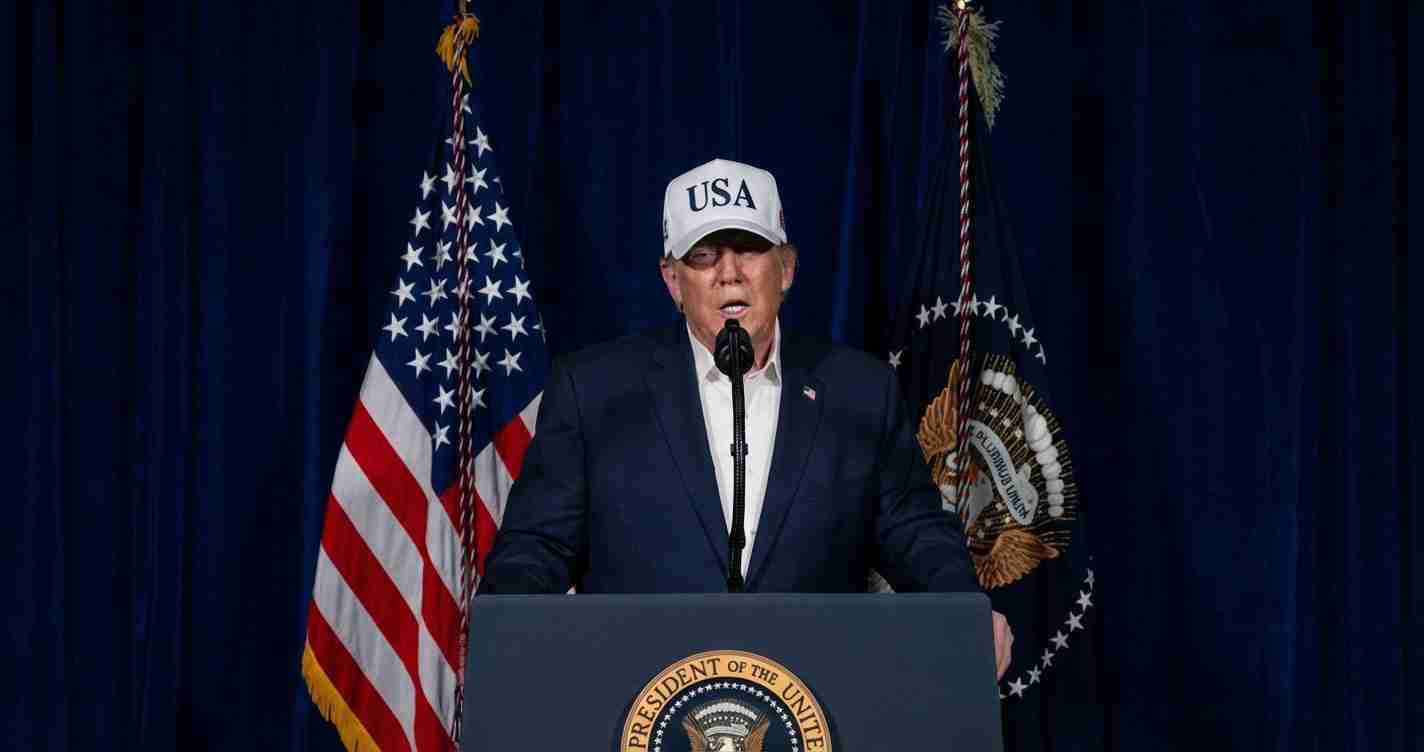
In an eight-minute video posted to Truth Social, President Trump addressed the nation directly. He described Iranian leaders as a “vicious group of very hard, terrible people” and framed the campaign as necessary to stop “mass terror.” Trump said the strikes would target missiles and the missile industry, eliminate naval threats and degrade Iran’s ability to use proxy forces against U.S. allies and troops (Politico; CBS News).
“I’ll say it again, they can never have a nuclear weapon,” Trump said, urging Iran’s military to lay down its weapons with an offer of “complete immunity” and calling on Iranian citizens to “rise up and take over your government.”
A timeline: how the crisis reached this point
The shift to kinetic action follows weeks of rising tension and failed diplomacy. In mid-January, Iran faced mass protests that were forcefully suppressed; President Trump responded with threats of military action and Iranian officials warned they were “ready for war” (see the compiled timeline: Crisis timeline (compiled)).
Through January the U.S. sent growing numbers of ships, aircraft and strike assets to the Middle East — deployments officials say were at levels not seen since 2003. By mid-February, U.S. leaders discussed options ranging from commando raids to air strikes on nuclear sites; the USS Gerald R. Ford carrier strike group was sent to the region on Feb. 14 to back up the USS Abraham Lincoln (Crisis timeline (compiled); CBS News).
The military operation: Operation Epic Fury and U.S.-Israel coordination
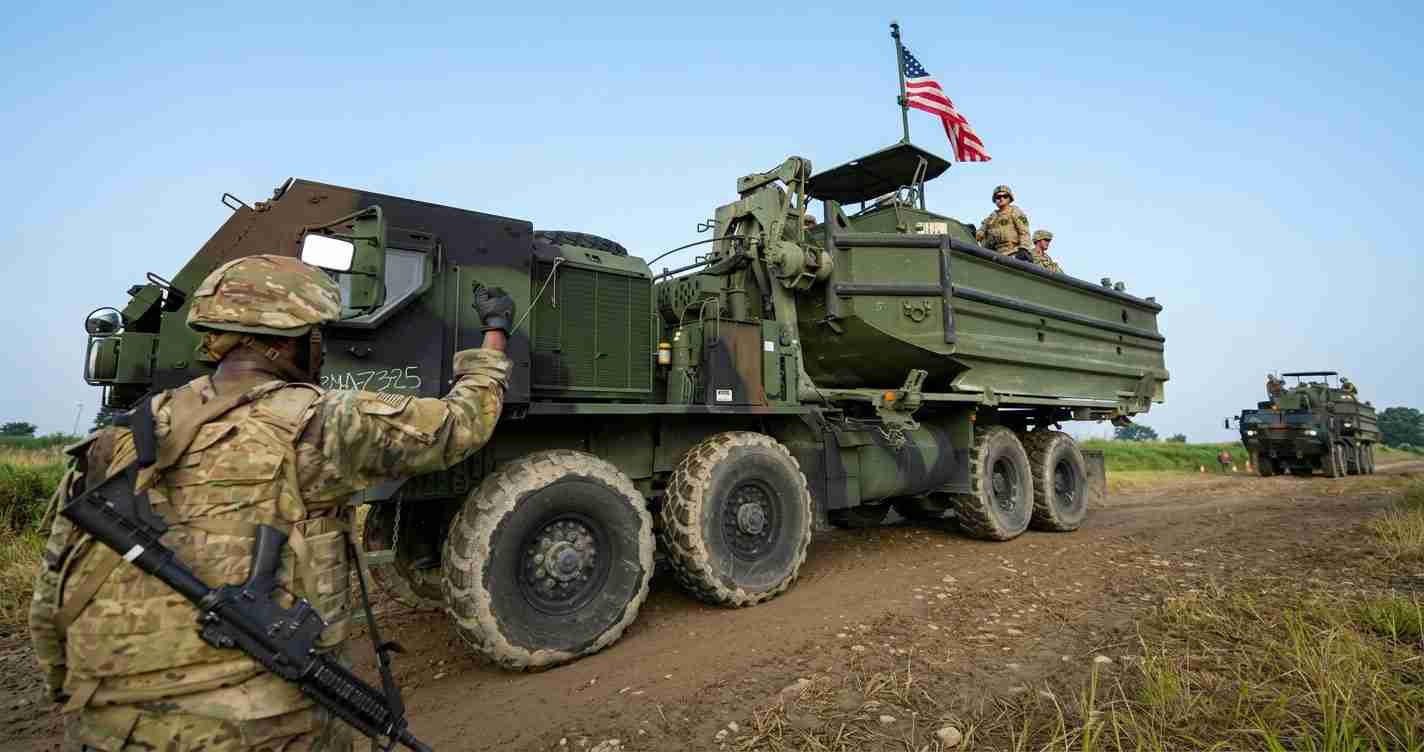
U.S. and Israeli forces reported strikes across Iran on Feb. 28, including explosions near Tehran. The U.S. military designated its campaign “Operation Epic Fury.”strong> Officials said strikes targeted sites presenting an “imminent threat” to Americans and allies — the administration’s stated legal justification for preemptive action (CBS News).
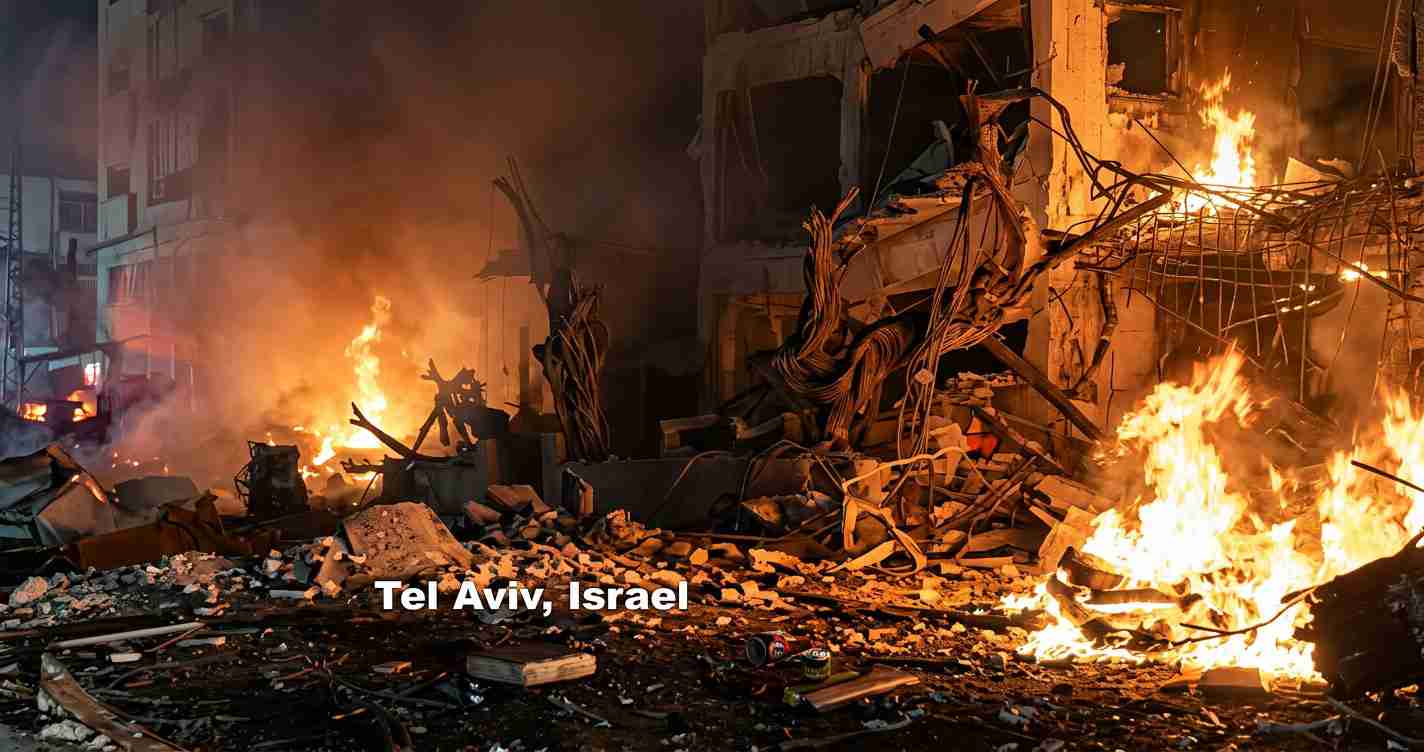
Israeli strikes reportedly targeted Iranian leadership and military sites in parallel with U.S. operations. Iran responded by launching missiles at Israel and at least two U.S. bases in the region, and explosions were reported in Tehran (CBS News; Crisis timeline (compiled)).
A U.S. official told reporters the focus was not regime change per se but neutralizing immediate threats — missile sites, naval capabilities and command-and-control nodes that might spark wider attacks (CBS News).
International and regional responses
Allies were publicly split. Some partners supported action aimed at stopping an active threat; others warned strikes risk widening conflict across the region. Iran called the strikes an act of aggression and vowed retaliation. Neighboring countries voiced concern about broader war and possible disruptions to energy supplies and trade (CBS News; Crisis timeline (compiled)).
Human and military costs
President Trump acknowledged U.S. forces “may have casualties”, saying losses are part of war. Iran’s missile launches and strikes on infrastructure raise risks of civilian harm, military deaths and wider regional escalation. Independent verification of damage and casualties is limited amid ongoing operations and communications disruptions in Iran (CBS News).
Legal and political questions
The administration’s strikes raise legal and political questions domestically and internationally. Lawmakers are expected to press for the legal basis for strikes, the intelligence supporting claims of an imminent threat, and the exit strategy. The decision to act without explicit new congressional authorization could divide lawmakers across parties. Analysts note public support will depend on evidence of imminent danger and steps to minimize civilian harm (Politico; CBS News).
Reporting limits and source notes
Much of the public account of early operations comes from government statements and faces verification challenges. Reporting on unfolding campaigns frequently relies on official briefings, allied statements and open-source observations of blasts and missile flights. The timeline above draws on contemporaneous news reporting and compiled accounts of the crisis; independent monitors are still working to confirm events.
Implications for Las Vegas, Nevada
Economic and travel effects: A wider Middle East conflict can push up oil prices and increase air travel and shipping costs. Las Vegas’s tourism-dependent economy could see fewer visitors, higher operating expenses for casinos, hotels and entertainment venues, and supply-chain-driven price increases.
Security and local military presence: Las Vegas hosts veterans, reservists and active-duty personnel who may be mobilized or face deployment-related uncertainty. Veterans’ groups and family services could see increased demand for support and counseling.
Political and community response: Local officials and civic groups are expected to press for clear federal explanations, congressional oversight and reassurance about civilian protection and legal authority.
Economic ties and investor reaction: Heightened geopolitical risk can spook investors and affect stock prices for travel- and tourism-exposed companies; planned expansions and hiring could slow if the conflict persists.
Social and humanitarian concerns: Las Vegas’s diverse immigrant communities, including Iranian Americans, may hold rallies, vigils and protests. Nonprofits and faith groups could mobilize humanitarian aid or refugee support.
Practical effects: Higher gas and transport costs may raise commuting and delivery expenses; Strip operations that rely on stable energy and staffing could face schedule and pricing impacts.
What local leaders can expect to ask federal officials
- The legal authority for Operation Epic Fury and whether Congress was consulted.
- Intelligence supporting claims of an imminent threat to American lives or assets.
- Steps and safeguards to limit civilian casualties and protect U.S. personnel.
- Contingency plans for regional escalation and effects on global energy markets.
Sources and further reading
- Politico: Trump announces major combat operations in Iran
- CBS News live updates: Israel, US attack Iran; Trump says major combat operations
- Crisis timeline (compiled): 2026 Iran–United States crisis
Reporting continues as officials and independent monitors provide further details on Operation Epic Fury and the scope of U.S. and Israeli strikes in Iran.