New FDD report says Iran may have used chemical agents on protesters, urges OPCW probe as nuclear talks stall
A Foundation for Defense of Democracies report alleges Iran may have deployed agents more lethal than tear gas against protesters during the December 2025 uprising, prompting U.S. and allied calls for an urgent OPCW investigation as nuclear talks stall.
Key takeaways
- The FDD report says Iran’s regime may have used agents more lethal than tear gas during the December 2025 uprising — the largest unrest in Iran since 1979. FDD report
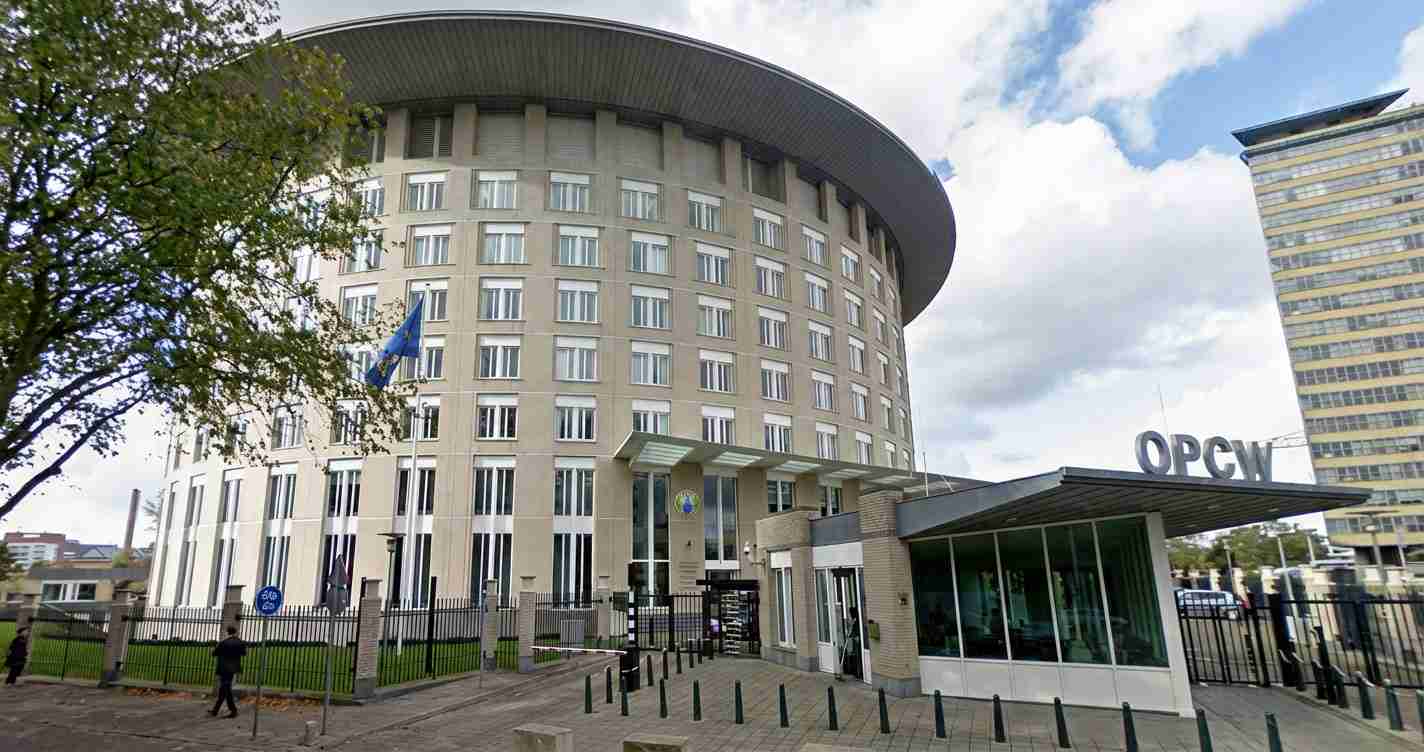
- Andrea Stricker, deputy director of FDD’s nonproliferation program and author, called on the U.S., allies and the OPCW to investigate “credible claims” of chemical attacks on civilians. Andrea Stricker / FDD
- Historic program: FDD warns Iran’s covert chemical weapons program dates to the 1980s and has attracted far less attention than its nuclear work. Countering Iran’s covert chemical weapons program
- Independent confirmation lacking: Public reporting at the time of the FDD release lacked OPCW confirmation or open-source medical analyses; allegations rest on eyewitness accounts, FDD analysis and allied intelligence reported in the press. Fox News coverage
What the FDD report says
Published in February 2026, the FDD report compiles eyewitness accounts from the December 2025 unrest describing protesters collapsing after exposure to agents appearing more harmful than standard crowd-control tear gas. The report argues those accounts are consistent with Iran reviving or expanding a covert chemical capability first developed during the Iran‑Iraq War in the 1980s.
“The United States, its allies and the Organization for the Prohibition of Chemical Weapons (OPCW) should investigate credible claims that Iran’s regime used chemical weapons against its own people,” the report cites Andrea Stricker as saying.
The report urges public disclosure of violations, stronger monitoring, and diplomatic pressure to prevent further use. Read the FDD analysis
Iran’s chemical weapons history and capabilities
FDD traces Iran’s chemical weapons work to 1983 as a response to Iraqi chemical attacks and warns elements of that program have persisted or been rebuilt. The analysis references allied intelligence and press reporting that allege Iran developed weaponized pharmaceutical agents — including opioid‑derived compounds — at research sites such as the Shahid Meisami Research Complex, which allied reports say was struck and damaged in 2025. Fox News coverage
FDD warns suspected chemical work could endanger Iranian civilians, regional populations and proxies alleged to have received materials or training. The report also calls on Israel to ratify the Chemical Weapons Convention to strengthen OPCW leverage and transparency. Countering Iran’s covert chemical weapons program
Legal obligations and the gap in independent proof
Iran is party to the 1997 Chemical Weapons Convention, which bans development, stockpiling, production and use of chemical weapons. Any proven state use of chemical agents against civilians would violate that treaty and international norms. FDD stresses the need for OPCW forensic and fact‑finding work but acknowledges that, at the time of publication, the OPCW had not publicly confirmed the allegations and no independent medical analyses in peer‑reviewed sources were cited.
That lack of independent confirmation is central to the international debate over next steps: push for rapid independent investigation, or risk acting on incomplete information.
Recommendations and escalation risks
FDD urges Western governments to publicize violations, issue ultimatums for monitoring, and press regional partners to act. The report also recommends that any U.S. military strikes contemplated over nuclear issues consider targeting Iran’s chemical weapons infrastructure to halt development and deter atrocities.
“If Washington launches strikes against Iran, it should give serious consideration to targeting the regime’s chemical weapons research and production facilities,” the report states.
FDD acknowledges such targeting carries risks: military strikes could escalate conflict, prompt retaliation, and complicate diplomacy — but failing to address a covert chemical program could leave civilians vulnerable and erode global norms.
Diplomatic and military context
The report arrives amid renewed indirect talks between the United States and Iran in Geneva, mediated by Oman, as negotiators seek a diplomatic path on nuclear issues. Tehran publicly seeks a “fair deal” preserving peaceful nuclear rights while U.S. officials caution Iran may not make meaningful concessions.
At the same time, Washington has increased naval and military presence in the Persian Gulf — including deployment of the aircraft carrier USS Gerald R. Ford — raising concerns about possible strikes if diplomacy fails. FDD media call transcript and press reports document these developments.
Israel and other regional actors have previously accused Iran of illicit chemical work; Israeli statements to the OPCW in 2025 alleged Iran developed weaponized pharmaceutical agents and shared materials with proxies — claims cited in the FDD analysis. Fox News coverage
Limits of the public record
News coverage and the FDD report depend heavily on eyewitness testimony, open‑source intelligence and allied statements. As of the report’s release, no OPCW public confirmation, peer‑reviewed medical studies, or official Iranian admissions were available in major open sources. That gap forces the international community to choose between pressing for an independent investigation or risking decisions based on incomplete information.
Implications for Las Vegas, Nevada
Economic impact: Las Vegas’ economy depends on tourism and a stable global business environment. A major U.S.–Iran confrontation could ripple into higher oil prices, market volatility and travel disruptions, affecting hotels, casinos and conventions.
Political consequences: Nevada’s delegation and state leaders may face constituent pressure over military action, sanctions and refugee policies; national security debates could influence local campaigns and town‑hall meetings.
Social effects: Las Vegas’ diverse communities, including Iranian‑Americans, may experience heightened fear, vigils, advocacy campaigns and calls for humanitarian assistance or independent investigations.
Cultural relevance: The allegations touch deep moral and legal concerns about weapons used on civilians; local faith groups, human rights organizations and universities may organize briefings and panels to push for an OPCW inquiry.
Practical applications: Nearby military installations such as Nellis Air Force Base could see operational impacts; Nevada businesses tied to defense contracting or global shipping might face supply or scheduling changes. Local emergency medical and public health agencies may review chemical‑exposure response protocols.
Why Las Vegas readers should care
The FDD charges combine security, legal and humanitarian concerns that extend beyond Tehran. Changes in Middle East risk can affect oil prices, travel plans and local politics. Community leaders, lawmakers and emergency planners in Las Vegas will monitor whether the OPCW opens an investigation and whether U.S. policy emphasizes diplomacy or military options. Local stakeholders should follow developments closely.
Sources and further reading
- FDD — “Did Iran use chemical weapons on protesters?” (Feb. 13, 2026)
- FDD — “Countering Iran’s covert chemical weapons program” (Feb. 13, 2026)
- FDD media call transcript, Feb. 2026
- Fox News coverage of FDD report and related allegations
Parent Publication: Times Media Service