U.S. Military Used Anthropic’s Claude AI in Raid That Captured Nicolás Maduro, Report Says
U.S. special operations used Anthropic’s Claude AI, via Palantir integration, during the January 2026 operation that captured Venezuelan President Nicolás Maduro and his wife, raising legal, ethical and oversight questions about private AI use in classified missions.
- Claude was reportedly accessed through Palantir’s platform, linking commercial AI into secure military systems (Axios; WSJ/Forklog).
- Operation led to Maduro’s capture and transfer to the U.S. on narcotics charges (The Jerusalem Post).
- Anthropic’s safety rules conflict with military needs, putting Pentagon contracts and oversight under scrutiny (Axios).
Main story
What happened
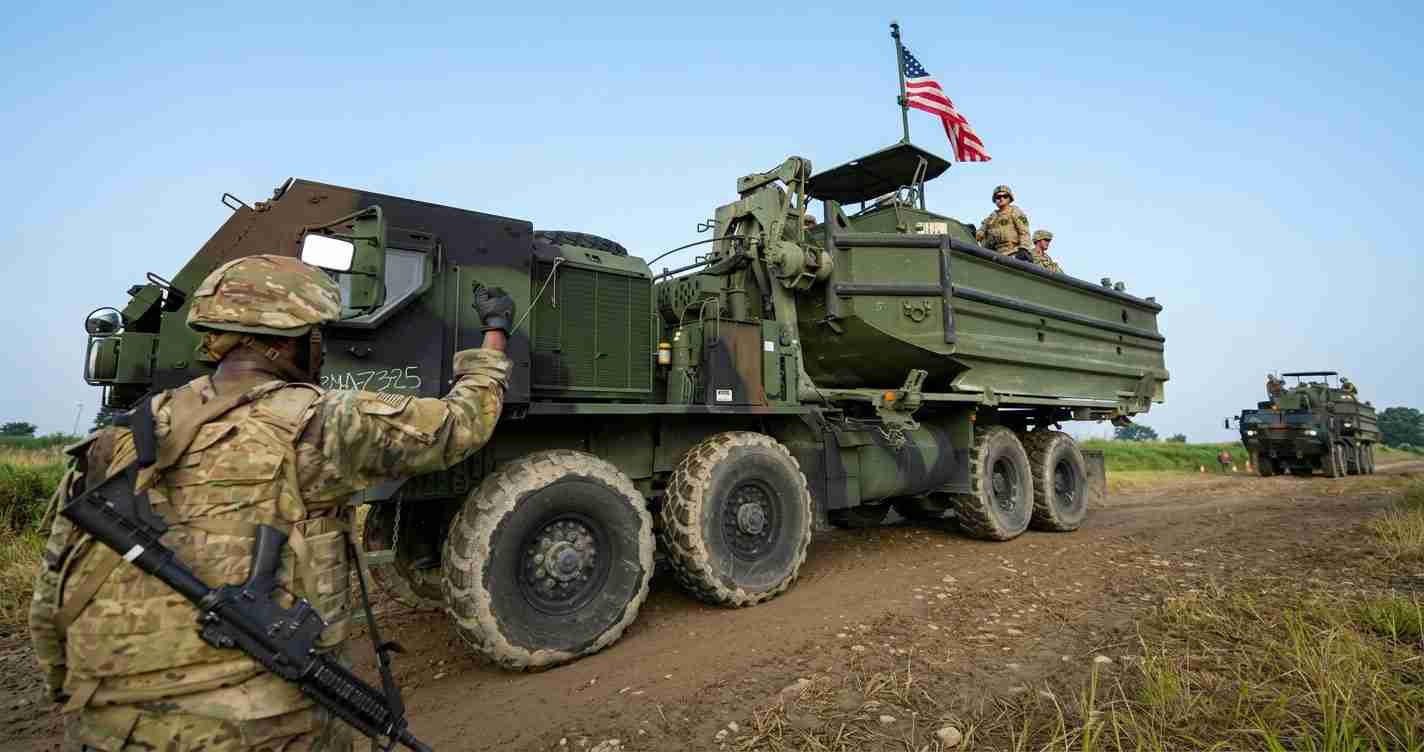
In January 2026, U.S. special operations forces executed an operation in Caracas that resulted in the capture of Venezuelan President Nicolás Maduro and his wife, Cilia Flores; both were reportedly flown to the United States to face narcotics charges (The Jerusalem Post). Reporting by multiple outlets later said the military used Anthropic’s Claude AI during the operation, deployed via a partnership with Palantir Technologies (WSJ/Forklog; Fox News).
How Claude was reportedly deployed
Sources familiar with the matter told reporters Claude was accessed through Palantir Technologies’ software, which is widely used across the Defense Department and federal law enforcement. Palantir’s platform can link data flows and analytic tools into secure military networks, and that connection is reported to be how Claude was made available to operational teams (WSJ/Forklog; Axios).
Those reports say Claude was used not only in planning but during the live operation—sorting and analyzing satellite imagery and other intelligence in real time to help guide strikes and tactical movements across Caracas (Axios; The Jerusalem Post). Local reporting and witness accounts described multiple explosions and power outages in southern districts the night of the raid (The Jerusalem Post).
Anthropic’s policies, statements and internal tension
Anthropic has publicly emphasized a “safety‑first” posture: its usage guidelines prohibit Claude from being used for violence, weapons development or surveillance. After reports of the raid, an Anthropic spokesperson declined to confirm whether Claude or any specific model was used, saying, “We cannot comment on whether Claude, or any other AI model, was used for any specific operation, classified or otherwise,” and reiterating that any use must comply with Anthropic’s usage policies and partner compliance practices (Fox News).
Reporting also points to internal confusion: one account says an Anthropic staffer messaged a Palantir colleague after the raid asking whether Claude had been used, suggesting uncertainty inside corporate ranks even as partners acted in the field (WSJ/Forklog).
The Pentagon relationship and political fallout
The Defense Department awarded contracts in mid‑2025 to AI firms including Anthropic, OpenAI, Google and xAI under programs meant to accelerate AI tools for national security; the agreements were described as potentially worth up to $200 million (WSJ/Forklog). However, tensions have emerged: Pentagon officials sought broader permissions for government use, while Anthropic resisted categories of use such as mass domestic surveillance or fully autonomous lethal systems (Axios).
By January 2026 the Anthropic contract was reported to be at risk as officials weighed usability against safety constraints. After coverage of Claude’s reported role in the Maduro raid, some Pentagon officials said they were reassessing the partnership, arguing vendors whose policies might limit troop effectiveness required review (Axios).
Why this matters: ethics, oversight and battlefield decisions
This episode highlights a new reality: commercial AI models with public safety pledges are being integrated—sometimes quietly—into sensitive military missions. Reporting calls this the first documented use of an Anthropic model in a classified operation, underscoring friction between military demand for powerful tools and private companies’ efforts to limit harmful applications (Fox News; WSJ/Forklog).
Experts warn that if private policies prohibit certain uses but integrations or partnerships allow those tools to be used in practice, it creates oversight blind spots and accountability gaps when operations go wrong.
Palantir’s role and the “Palantir Venezuela operation” framing
Palantir’s software served as the technical bridge connecting data sources, analytic tools and secure systems. How Palantir integrates commercial models into its platform determines what data an AI can access and how outputs reach decision‑makers—making Palantir’s footprint central to reporting about the so‑called Palantir Venezuela operation (WSJ/Forklog; TRT World).
Implications for Las Vegas, Nevada
Economic impact:
- Defense and tech contracting: Las Vegas benefits from regional tech and defense‑adjacent businesses; a shift in Pentagon partnerships could alter contracting opportunities for local firms providing data, cloud or engineering services (Axios).
- Tourism and investor confidence: National security headlines can influence perceptions, but Las Vegas’ diversified economy is generally resilient; indirect effects could still hit local tech service providers.
Political consequences:
- Nevada leaders may face pressure to weigh in on federal AI policy and procurement practices; local representatives could call for clearer oversight (Axios).
- City and county officials may demand assurances about domestic use of similar tools by police or fusion centers that share intelligence with federal partners.
Social effects and cultural relevance:
- Civil liberties: Reports that private AI tools can surface in sensitive operations—despite company policies—could heighten local privacy and surveillance concerns.
- Immigrant communities: Venezuelan and broader Latino communities in Las Vegas may track developments closely, as high‑profile overseas arrests can influence local activism and engagement.
- Public conversation: The episode is likely to sharpen debates about AI ethics among residents and businesses familiar with customer‑facing AI uses.
Practical applications for residents:
- Local agencies adopting AI will monitor federal standards and vendor behavior; enforceability of usage policies will shape procurement language at municipal and state levels.
- Workforce and contracting: Changes in federal procurement could shift local job and contracting opportunities toward compliance, auditing, or different technical specializations.
Sources and further reading
- WSJ summary and Forklog
- Fox News Digital reporting and Anthropic comment
- The Jerusalem Post on operation details
- Axios on Pentagon–Anthropic tensions and contract reconsideration
- TRT World coverage of deployment method
This developing story highlights the complex interplay of technology, ethics and national security at the highest levels of government and industry, with local implications for Las Vegas’ economy, politics and civic life.