Ex-Google engineer convicted of stealing AI secrets, jury finds he spied for China-linked firms
A federal jury convicted former Google engineer Linwei Ding on 14 counts of theft of trade secrets and economic espionage for allegedly transferring confidential AI hardware and software designs to China-linked firms, the Justice Department said.
Key takeaways
- Guilty on all counts: A federal jury found Linwei (Leon) Ding guilty on all 14 counts — seven theft counts and seven economic espionage counts.
- Extensive copying: Prosecutors say he copied more than 1,000 unique files—about 14,000 pages, including 105 core confidential documents.
- Targeted AI hardware: Stolen material included design and operational details for Google’s TPUs, GPUs and SmartNICs, components used to build AI supercomputers (report).
- First AI-related espionage conviction: The Justice Department called this the first U.S. economic espionage conviction tied directly to AI technology (DOJ statement).
Main story
Background and charges
Ding joined Google on May 13, 2019, as a software engineer working on supercomputing data centers that house the chips and systems used to train large AI models. Federal prosecutors say he had access to highly sensitive technical documents about TPUs, GPUs and networking cards known as SmartNICs (report).
Prosecutors allege Ding began copying files in May 2022, transferring material from Google systems to personal cloud accounts and taking steps to evade internal security tools. The indictment and trial papers say he copied over 1,000 unique files—roughly 14,000 pages—including a core set of 105 documents describing Google’s hardware and software approaches (report, LA Times).
Timeline presented at trial
- May 2022: Prosecutors say Ding began copying sensitive AI hardware and software data from Google (report).
- Oct. 29, 2022 – March 25, 2023: He traveled to China, attended investor meetings for Rongshu, and later founded Shanghai Zhisuan Technology Co. Ltd., listing himself as CEO on May 30, 2023 (report, Fox Business).
- Dec. 8, 2023: Ding signed a Self-Deletion Affidavit to Google denying retention of company data despite evidence of prior uploads (report).
- Dec. 14–26, 2023: He booked a one-way flight to Beijing and resigned from Google by email on Dec. 26, 2023; Google suspended his access and later raised alarms about his movements and colleagues’ assistance (report).
- Jan–Mar 2024: Google seized devices, the FBI executed a search warrant, and a grand jury returned an indictment in March 2024; superseding indictments in 2025 expanded charges (report).
Evidence and verdict
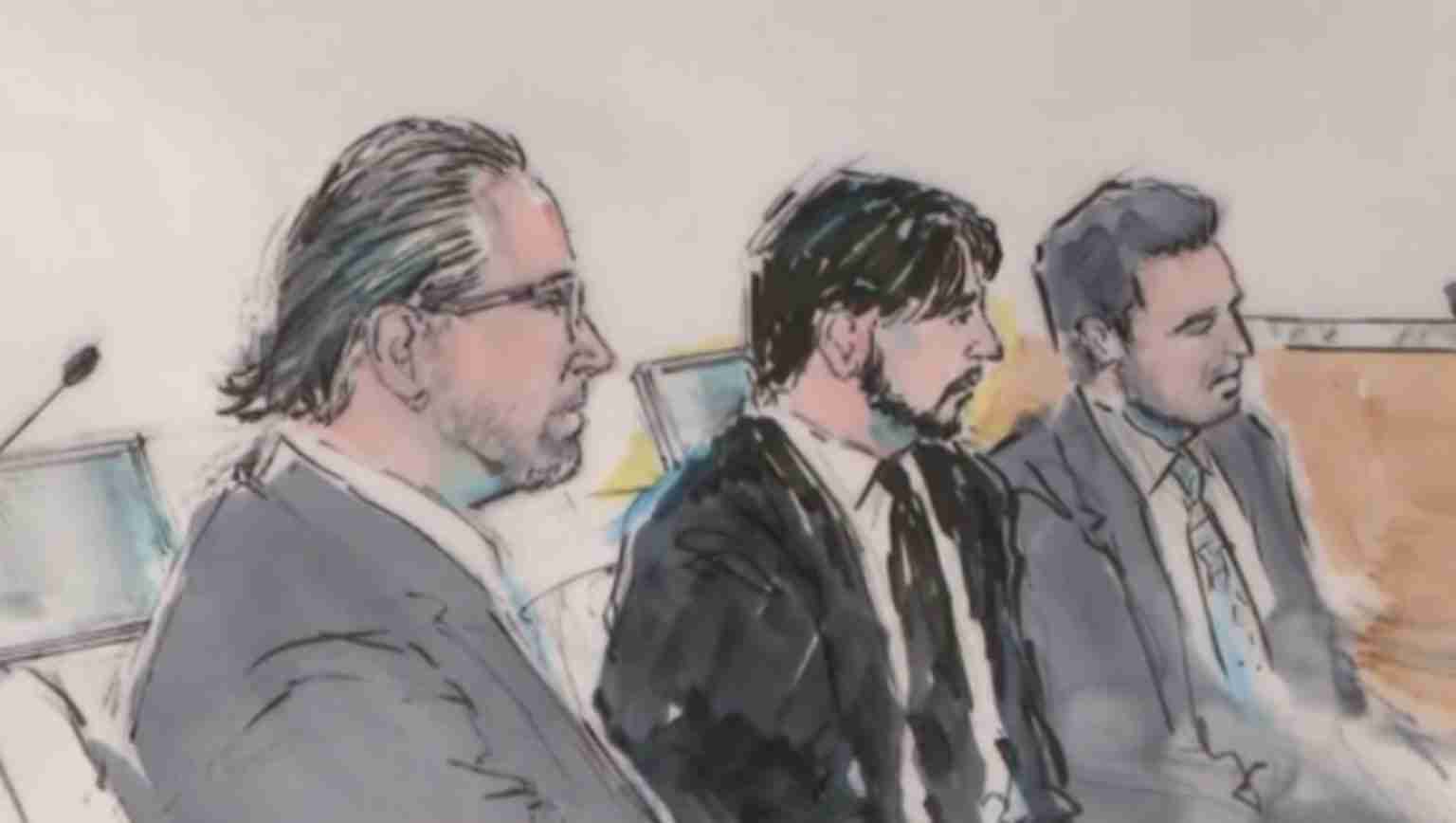
At trial prosecutors presented system logs, file histories and internal Google records they said show Ding copied and moved sensitive documents and uploaded them to personal Google Drive accounts while taking steps to conceal activity. The jury returned a unanimous guilty verdict after an 11-day trial (DOJ, LA Times).
“Stealing this valuable technology will not go unpunished,” the DOJ and FBI said, framing the conviction as a warning to would-be spies.
Defense stance and court rulings
Ding’s lawyers argued the evidence did not establish that he handed secrets to a foreign government or intended to benefit China, and they contended Google failed to protect documents adequately. They also maintained Ding never sold or used the data. U.S. District Judge Vince Chhabria denied a motion to dismiss and allowed the case to proceed to trial (report, Fox Business).
After the verdict, defense attorney Grant Fondo said he was disappointed but respectful of the jury’s decision.
Statements from agencies and companies
Google: Lee-Anne Mulholland, vice president of regulatory affairs, thanked the jury and said the verdict sends a message that stealing trade secrets has serious consequences (report, LA Times).
U.S. Attorney & FBI: U.S. Attorney Craig H. Missakian said the jury delivered a clear message that theft of valuable technology will not go unpunished. FBI officials warned the theft threatens U.S. technological competitiveness (Fox Business, LA Times).
Sentencing and next steps
Ding faces significant potential penalties: each theft count carries up to 10 years, and each economic espionage count up to 15 years. In aggregate his theoretical exposure could extend for decades plus fines under the U.S. Sentencing Guidelines. A status hearing is scheduled for Feb. 3, 2026. Judge Chhabria ordered Ding released pending sentencing, stating he is not a flight risk (report, Fox Business).
Public record does not disclose whether the stolen secrets are now in the hands of PRC entities.
Implications for Las Vegas, Nevada
Economic impact: Las Vegas has been expanding its tech and data center footprint to diversify beyond tourism and gaming. The case highlights how sensitive AI hardware and designs are valuable targets and may lead local firms, start-ups and investors to face higher insurance costs and stricter compliance demands (report).
Workforce and hiring: The conviction could prompt employers to increase background checks and monitoring for engineers working with specialized chips and cluster designs, potentially slowing hiring or raising costs for specialized roles (DOJ).
Political and social effects: Nevada leaders balancing openness with security may push for state support for cybersecurity and trade-secret protections. Residents and voters may demand transparency when public funds or incentives support tech firms, and oversight of foreign investment could increase (LA Times, Fox Business).
Practical actions: The verdict offers Las Vegas policymakers and business leaders a chance to act: strengthen local cybersecurity support, clarify noncompete and confidentiality rules, and educate the workforce on handling proprietary AI material to reduce risk (DOJ, Fox Business).
Conclusion
The conviction of Linwei Ding marks a consequential legal milestone: the Justice Department describes it as the first U.S. economic espionage conviction tied directly to AI technology. The case underscores the national and local stakes in protecting AI and chip-related know-how as cities like Las Vegas expand their tech footprints (DOJ, report).