Federal judge bars agents from detaining or tear-gassing peaceful demonstrators in Minneapolis amid Operation Metro Surge
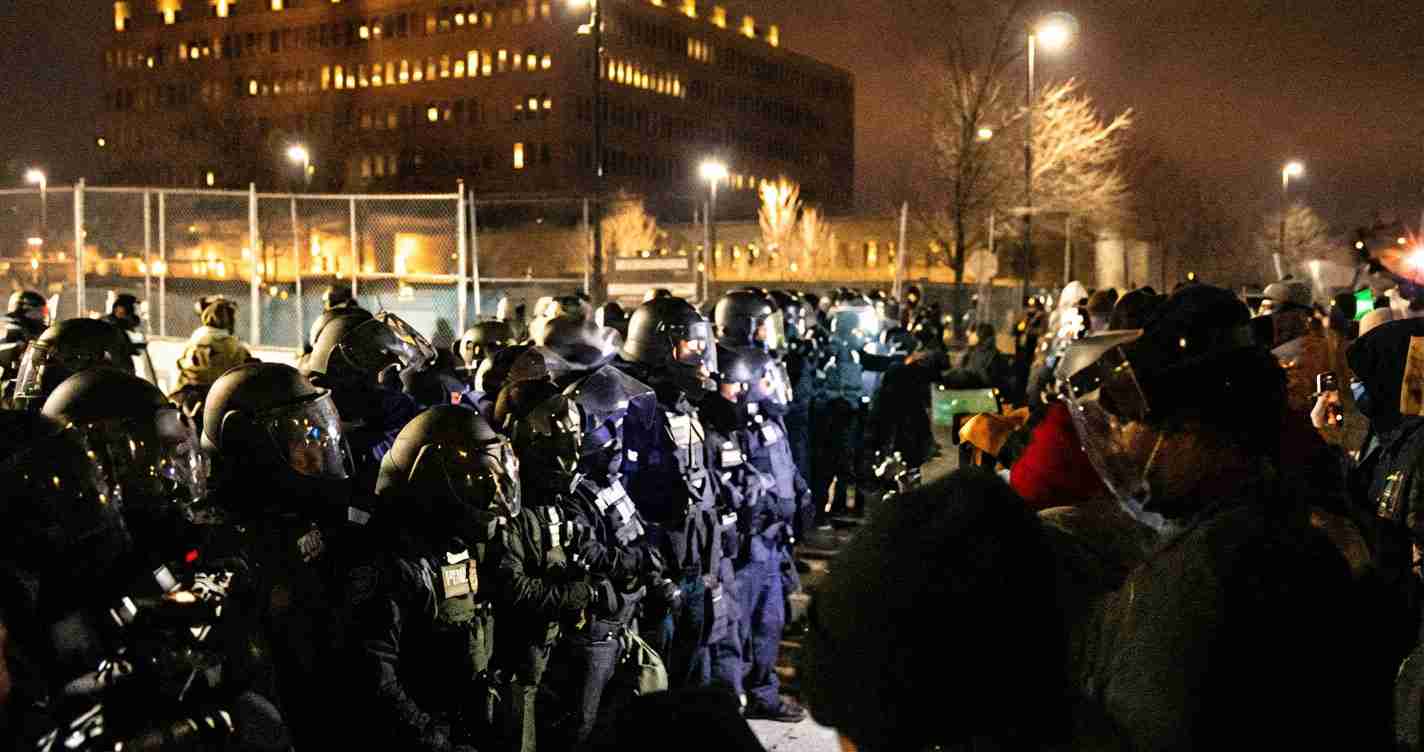
A federal judge barred agents from detaining or using chemical agents on peaceful demonstrators and observers and journalists in Minneapolis during Operation Metro Surge, issuing an 83‑page preliminary injunction to protect First and Fourth Amendment rights.
- Judge Kate Menendez issued an 83‑page preliminary injunction limiting arrests, detentions, and crowd-control tactics against peaceful protesters and observers — see RNZ and CBS News.
- The order applies only to Minneapolis–St. Paul while Operation Metro Surge is active and does not halt federal immigration enforcement across Minnesota — see RNZ and CBS News.
- The injunction stems from a Dec. 17, 2025 lawsuit by six plaintiffs alleging unlawful arrests, pepper-spray use, guns pointed at protesters, threats to drivers, and follow-ups at homes — reported by RNZ and CBS News.
What the judge’s order says
Judge Menendez concluded the plaintiffs were likely to prevail on claims that federal officers acted unlawfully. In her opinion she described certain conduct as “disturbing” and criticized the government for failing to justify force used against peaceful observers (CBS News).
Key prohibitions in the order
- No detaining peaceful protesters or observers without probable cause or reasonable articulable suspicion of interference or another crime (RNZ).
- No chemical agents or crowd-control munitions against nonviolent demonstrators or bystanders recording federal operations (CBS News).
- No stopping vehicles unless drivers are engaged in dangerous or obstructive conduct (RNZ).
Background: Operation Metro Surge and the Renee Good shooting
Operation Metro Surge began under the prior administration, deploying nearly 3,000 ICE and Border Patrol agents to the Twin Cities to target undocumented immigration and alleged fraud, particularly in Somali communities (RNZ; Politico).
Tensions escalated after an ICE agent fatally shot 37‑year‑old Renee Good on Jan. 7, 2026. Authorities described her actions as “stalking,” “impeding,” and labeled them domestic terrorism, alleging she tried to run over agents; local leaders and activists disputed that account and pointed to video they say shows Good driving away (CBS News; RNZ).
“The conduct described in the record is disturbing,” Judge Menendez wrote, emphasizing the need to protect peaceful assembly and observation.
Government responses and legal fallout
DHS defended agents as responding to “dangerous rioters”, saying officers use the “minimum force necessary.” Agency officials noted obstructing officers is a federal crime and assaulting them is a felony (CBS News; Politico).
The federal government has indicated it may appeal Judge Menendez’s decision (Politico). Separately, federal prosecutors issued grand jury subpoenas seeking information under 18 U.S.C. § 372 for Governor Walz and Mayor Frey; both called the subpoenas political intimidation and denied wrongdoing (CBS News; Politico).
Scope and limits of the injunction
The injunction is narrowly tailored to the Minneapolis–Saint Paul area and remains in effect only while Operation Metro Surge is active. It does not enjoin all federal immigration enforcement across Minnesota and did not grant plaintiffs’ requests for a statewide halt to the immigration crackdown (WABE; RNZ).
Judge Menendez noted the “unique” character of Minneapolis protests, which often move through neighborhoods and draw many observers and journalists, creating situations with limited legal precedent.
Implications for Las Vegas, Nevada
Although the injunction applies only to the Twin Cities, the ruling may influence how other cities respond when federal agents are deployed. Las Vegas officials, residents, and businesses should monitor whether similar legal arguments are raised locally.
Economic, political and social effects
- Economic: Casinos and tourism depend on public safety; limiting chaotic enforcement could protect Las Vegas’s image, while high-profile incidents may cause short-term concern.
- Political: The ruling could provide a legal reference for local leaders seeking clearer oversight of federal deployments.
- Social: Community advocates and immigrant groups may cite the decision when pushing for training and rules that protect peaceful observation and speech.
Practical applications for residents
Residents in Southern Nevada should know their rights: peaceful protest and observation are protected unless someone is committing or interfering with a crime. Local lawyers and civil-rights groups may reference Judge Menendez’s order in future challenges.
Local law enforcement and civic leaders should review policies about cooperation with federal agents to balance public safety and civil liberties—the Menendez order underscores the need for clear rules and training.
Reporting sources and further reading
- RNZ: U.S. judge orders federal agents to stop arresting, teargassing lawful Minnesota protesters
- CBS News: Judge rules federal agents can’t arrest or use pepper spray on peaceful protesters in Minneapolis
- Politico: ICE Minneapolis arrests and protests coverage
- WABE: No immediate judicial decision on a request to stop the immigration crackdown in Minnesota
Bottom line: The injunction narrows federal officers’ authority in Minneapolis during Operation Metro Surge and may help shape debates and policies in other cities, including Las Vegas, about how federal agents interact with protesters, observers, and local communities.