Viral claim that U.S. used “sonic weapon” in Maduro capture raid amplified by Karoline Leavitt; no official confirmation
An unverified eyewitness account—amplified by White House press secretary Karoline Leavitt—says U.S. forces used a “sonic weapon” during the Jan. 3, 2026 raid that captured Nicolás Maduro; U.S. officials have not confirmed the allegation or released forensic evidence publicly.
- Single-source claim: The sonic-weapon story originates from one anonymous eyewitness interview that went viral.
- Amplification: White House press secretary Karoline Leavitt shared the interview on X, increasing its reach without independent verification.
- No official confirmation: U.S. government and Pentagon spokespeople have not confirmed use of an acoustic weapon.
- Local impact: The allegation has potential economic, political and social implications for Las Vegas residents and institutions.
What the eyewitness account says
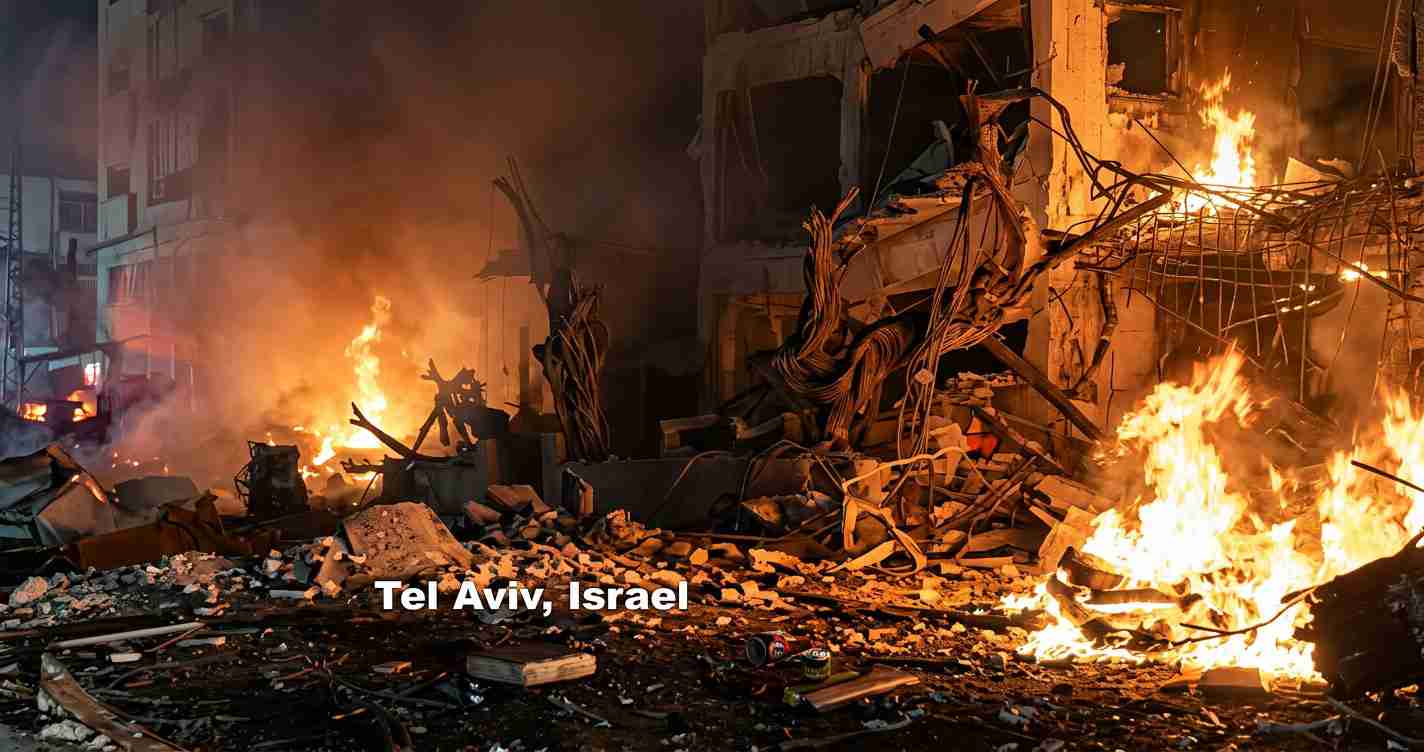
The widely shared interview features a man who identified himself as a guard at a Caracas military base describing chaos as the operation unfolded. He reported radar systems failing, drones overhead, a small highly trained force arriving by helicopter and extremely precise fire.
“It felt like your head was exploding from the inside,”
The witness claimed an “intense sound wave” or “sonic weapon” struck Venezuelan troops, causing severe pain, nosebleeds, vomiting blood and collapse, and alleged that a small U.S. force killed hundreds of Venezuelan troops while suffering no casualties. Reporting tying the account to a U.S. tactic began circulating Jan. 11, 2026 (see Fox News).
How the claim spread
The interview gained wider attention after White House press secretary Karoline Leavitt shared a link on X, urging followers to read the account; that share helped the recording go viral and drew attention from news sites, independent writers and social video channels.
Several outlets reproduced core allegations or discussed possible explanations without independent evidence (see Fox News and commentary such as Marine Corps Compass Points).
Official U.S. statements and verification status
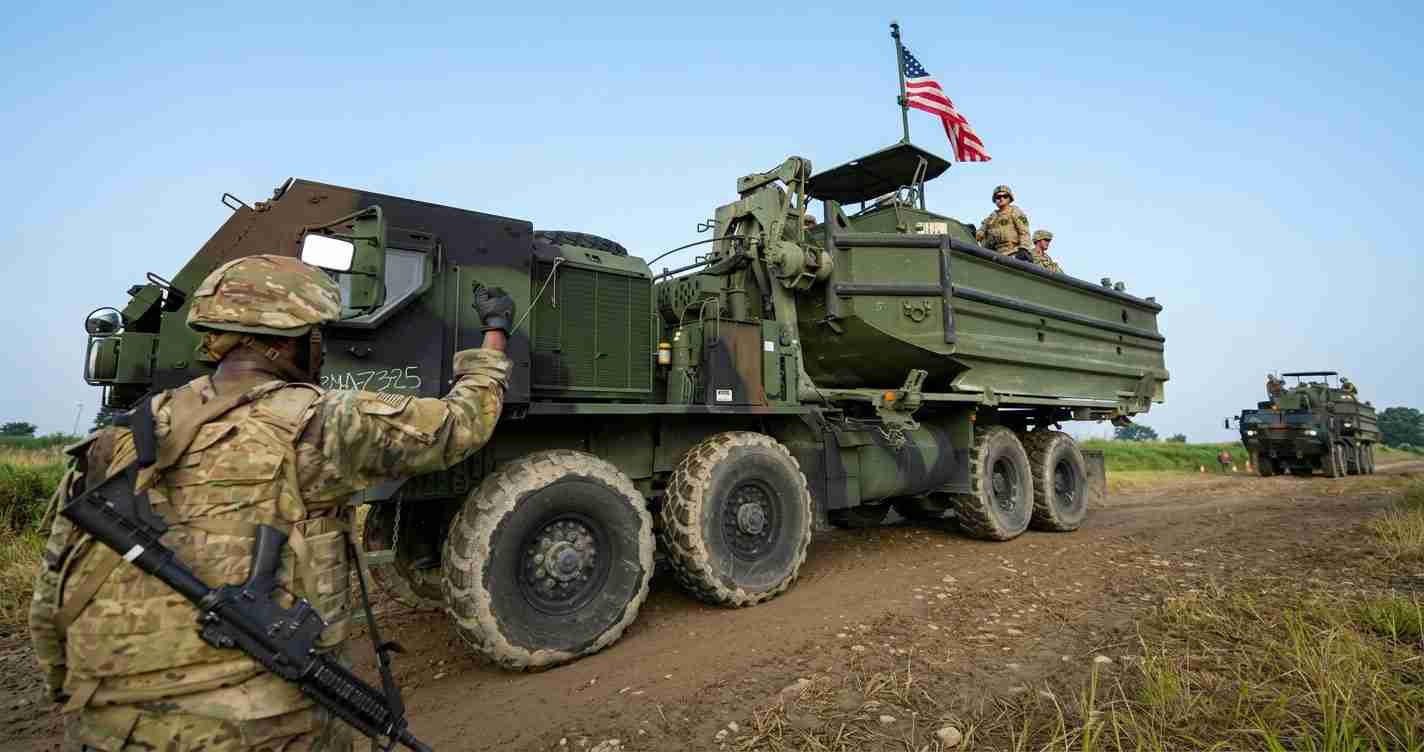
U.S. officials publicly described a Jan. 3 operation involving CIA personnel and special operations forces that detained Maduro on drug- and weapons-related charges. Officials said radar and air defenses were struck in advance and Maduro was flown to the United States; videos later showed Maduro in custody at a federal building in Brooklyn.
When asked about the sonic-weapon allegation, Pentagon spokespeople and other U.S. officials did not confirm use of such a device in initial reporting. No named U.S. official, forensic evidence or public technical data has been released to support the claim (see WUNC and Fox News).
Media and analyst coverage
Various media outlets and online commentators repeated or analyzed the eyewitness account. A WION video posted Jan. 11 mirrors the guard’s account of radar failure, drones and an acoustic effect. Independent military-focused platforms and republished pieces also circulated the narrative (see AOL and Marine Corps Compass Points).
Limitations and open questions
- Single-source origin: The story depends on one anonymous interview; reporters have not identified other witnesses corroborating the same effects at the same sites and times (see Fox News).
- No official evidence released: The U.S. government has not publicly acknowledged using an acoustic weapon; the Pentagon did not confirm the claim in initial coverage (see Fox News).
- Technical uncertainty: Systems that project intense sound—such as long-range acoustic devices (LRADs)—exist, but experts have not tied any known system to this operation; commentary remains speculative without forensic proof (Marine Corps Compass Points).
- Conflicting casualty reports: U.S. and some Venezuelan accounts differ on casualty numbers and engagement details; independent verification tied to the guard’s account is missing (see WUNC).
Why verification matters
Claims of novel or unusual weapons carry legal, moral and political weight. If true, use of a weapon that causes internal bleeding and incapacitation would raise questions about international law compliance, congressional disclosure and public accountability. Without confirmation, repeating unverified claims risks spreading misinformation and complicating diplomatic and domestic discussions about the raid.
Implications for Las Vegas, Nevada
Economic impact
- Trade and tourism: Las Vegas’s business and tourism links with Latin America mean geopolitical shocks can ripple into currency, travel markets and bookings for hospitality firms.
- Defense contractors and tech firms: Nevada-based companies with defense ties may see public debate spur contract discussions or scrutiny around sonic or nonlethal technologies.
Political consequences
- Local leaders and voters: City and state officials could face constituent questions about oversight, transparency and executive action in foreign operations.
- Nevada’s role in national debates: Panels and town halls in Las Vegas might host discussions on the story, shaping local political discourse.
Social effects
- Community concerns: Residents with family ties to Latin America may be sensitive to narratives of an unverified weapon causing severe harm, possibly prompting protests or vigils.
- Information environment: Viral claims can spread quickly on social platforms used by Las Vegas residents; local newsrooms and leaders may need to counter misinformation with verified reporting and official updates.
Cultural relevance
Las Vegas’s diverse population includes many with direct interests in Latin American affairs; cultural centers, churches and neighborhood groups may follow developments closely. University and arts communities may respond with public events or debates exploring the ethics of modern warfare and media verification.
Practical applications for residents
- Travel and safety: Travelers from Las Vegas to Latin America should monitor State Department advisories and check airline or tour operator updates if regional tensions shift.
- Staying informed: Residents are advised to rely on verified reporting and official advisories rather than unconfirmed social posts; local outlets and Nevada officials will provide clearer guidance as facts emerge.
Sources and further reading
- Fox News: “US used sonic weapon on Venezuelan troops, report shared by Leavitt claims”
- WION video report (YouTube)
- Marine Corps Compass Points Substack
- Mirror Now video (YouTube)
- AOL article republishing the account
- WUNC report on U.S. operation and regional responses
Reporting note
The account of a “sonic weapon” remains unverified. This article reports on the claim, its spread and potential local impact while noting the lack of confirmation from U.S. officials or independent forensic evidence.