Iran’s ‘kill switch’ plunges country into digital blackout as rights groups say shutdown hides lethal force and mass arrests
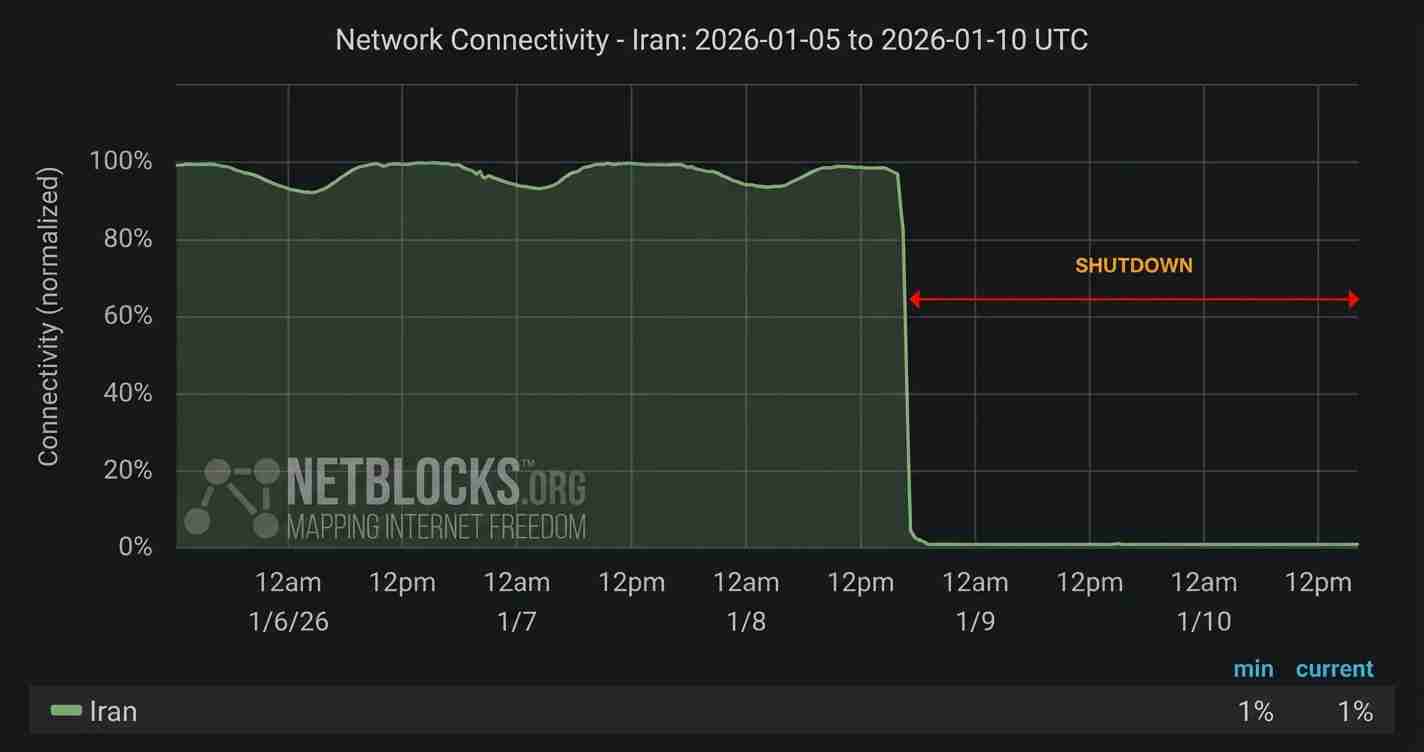
Iran cut nearly all internet and telecom services on Jan. 8, 2026, amid the largest protests since 2022, a blackout rights groups say is being used to conceal lethal force, mass arrests and widespread human-rights abuses.
Key takeaways
- Nationwide blackout: Authorities imposed a near-total internet and telecom shutdown on Jan. 8, 2026, severing most residents from online communications.
- Rights groups warn: Amnesty International and analysts say the shutdown is being used to hide unlawful killings, mass arrests and other abuses.
- Verification hampered: Confirmed casualty counts remain incomplete; Amnesty documented at least 28 deaths but warns the toll is likely higher.
- Global and local implications: International condemnations are rising and the blackout has indirect consequences for communities, including in Las Vegas.
What happened and when
Protests began on Dec. 28, 2025, in Tehran after Iran’s currency plunged and basic costs rose sharply. What began as economic demonstrations quickly expanded into nationwide unrest, with some protesters raising broader political demands and calls for regime change. Rights researchers describe this wave as the largest unrest since the 2022 “Woman, Life, Freedom” movement, citing analyses from Amnesty International and the Institute for the Study of War.
As demonstrations intensified, Iranian authorities imposed a blanket cut to internet and telecom services on Jan. 8, 2026. Network-monitoring groups and human-rights researchers report the blackout is nationwide and has continued while protests persist, severely limiting the flow of information.
Nature of the Iran internet shutdown
Deliberate, broad disruption: Amnesty’s Security Lab analyzed network data and concluded the shutdown amounted to a deliberate “blanket” cut that went beyond social-media throttling to full telecom disruption. The result is widespread digital darkness that prevents people from contacting family, sharing eyewitness evidence, or calling for help (Amnesty International).
The Institute for the Study of War also described an ongoing nationwide shutdown as of Jan. 10, 2026, linking it to government efforts to control information while security forces respond to protests.
Purpose: rights groups say shutdown conceals abuses
“Cutting communications gives security forces cover and reduces the chance that abuses will be documented and reported to the world,” Amnesty investigators warned, calling the shutdown itself a serious human-rights violation and urging urgent diplomatic action.
Amnesty International argues the blackout is being used to hide unlawful killings and mass arbitrary arrests and has urged global action to prevent further bloodshed (Amnesty International).
Reported casualties and arrests
Accurate counts remain difficult because the blackout blocks independent reporting. Amnesty confirmed at least 28 deaths in crackdowns from Dec. 31, 2025, to Jan. 3, 2026, across 13 cities in eight provinces and said those figures are likely underestimates. The group documented unlawful use of firearms and warned of an intensifying pattern of lethal force following the shutdown (Amnesty International).
Other human-rights networks and activist tallies circulating in real time suggest higher figures — for example, claims of at least 65 killed and more than 2,300 arrested — but those specific totals are not verified in the cited Amnesty or ISW reports and are hard to confirm while the blackout continues.
Geographic spread
Nationwide movement: Amnesty documented killings in 13 cities and said protests had spread across the country. The Institute for the Study of War reported sustained protest activity across multiple provinces during the shutdown, indicating broad, nationwide unrest rather than isolated incidents.
International reaction
Human-rights organizations have urged swift diplomatic pressure on Tehran. Amnesty called for global action, deeming blanket internet cuts disproportionate and in violation of international human-rights law. Western governments have publicly condemned killings of protesters and warned against travel to Iran. A recent media segment highlighted international responses (CTV report via YouTube).
Historical pattern of shutdowns in Iran
Repeated ‘kill switch’ tactic: Amnesty situates the January 2026 blackout within a history of near-total internet cutoffs by Iranian authorities, notably during the November 2019 protests and the 2022 “Woman, Life, Freedom” uprising — periods when security forces also used lethal force. Amnesty argues repeated shutdowns show a pattern intended to silence dissent and enable impunity (Amnesty International).
Why verification is hard now
With the digital blackout in place, journalists, investigators and families face major obstacles: no live street video, disrupted messaging apps and limited ability to cross-check eyewitness accounts. Rights organizations say this digital darkness makes it harder to hold perpetrators accountable and to determine the full human cost of the crackdown (Amnesty International).
Implications for Las Vegas, Nevada
Economic impact: The blackout is unlikely to affect Las Vegas’s daily economy directly, but sustained instability in Iran can influence global oil markets, investor confidence and international tourism patterns, potentially affecting businesses dependent on global travel and conventions.
Political consequences: The crisis may prompt local leaders, faith groups and universities to issue statements or host forums on human rights and digital censorship. Elected officials could face questions about U.S. policy responses and protections for Iranian Americans and immigrant communities.
Social effects: Las Vegas’s Iranian and Middle Eastern communities may experience anxiety for relatives in Iran. Community organizations and local media should prepare to support affected families and provide verified updates, legal aid and mental-health resources.
Cultural relevance & practical steps: Cultural institutions and advocacy groups may organize teach-ins or exhibitions connecting global human-rights issues to local values. Residents with family in Iran should rely on phone contact when possible, connect with humanitarian groups, and watch for verified updates from major rights organizations. Local hospitals, consulates and community groups should review response plans.
Sources and further reading
- Amnesty International: Internet shutdown in Iran hides violations in escalating protests
- Institute for the Study of War: Iran update, Jan. 10, 2026
- CTV/Global News segment (YouTube): international reactions
If you would like, I can next track real-time tallies from Iranian human-rights networks, compare reporting by major international outlets, or prepare verified resources for Las Vegas community groups and local outlets covering the crisis.