Trump orders Christmas Day strikes on ISIS in Nigeria, citing protection of Christians; Abuja welcomes help but disputes religious framing
President Donald Trump ordered surprise U.S. airstrikes against ISIS-linked militants in northwest Nigeria on Dec. 25, 2025, saying the strikes were intended to protect Christians; Abuja welcomed assistance but rejected framing the operation as targeting one faith.
- U.S. strikes on Dec. 25, 2025: Surprise airstrikes hit suspected ISIS-affiliated positions in northwest Nigeria, with U.S. and Nigerian officials saying multiple militants were killed. (Sources: White House video statements; expert analysis video)
- White House rationale: President Trump framed the action as protecting Christians and described the timing as deliberate, calling it a “Christmas present” to terrorists and warning of more lethal action.
- Nigeria’s stance: Abuja praised operational cooperation and intelligence sharing but pushed back on characterizing the operation as aimed solely at protecting one religious group, saying it protects all civilians.
- Verification limits: Independent, on-the-ground confirmation of casualties, precise locations and civilian impact remains limited in public reporting.
Strike execution and coordination
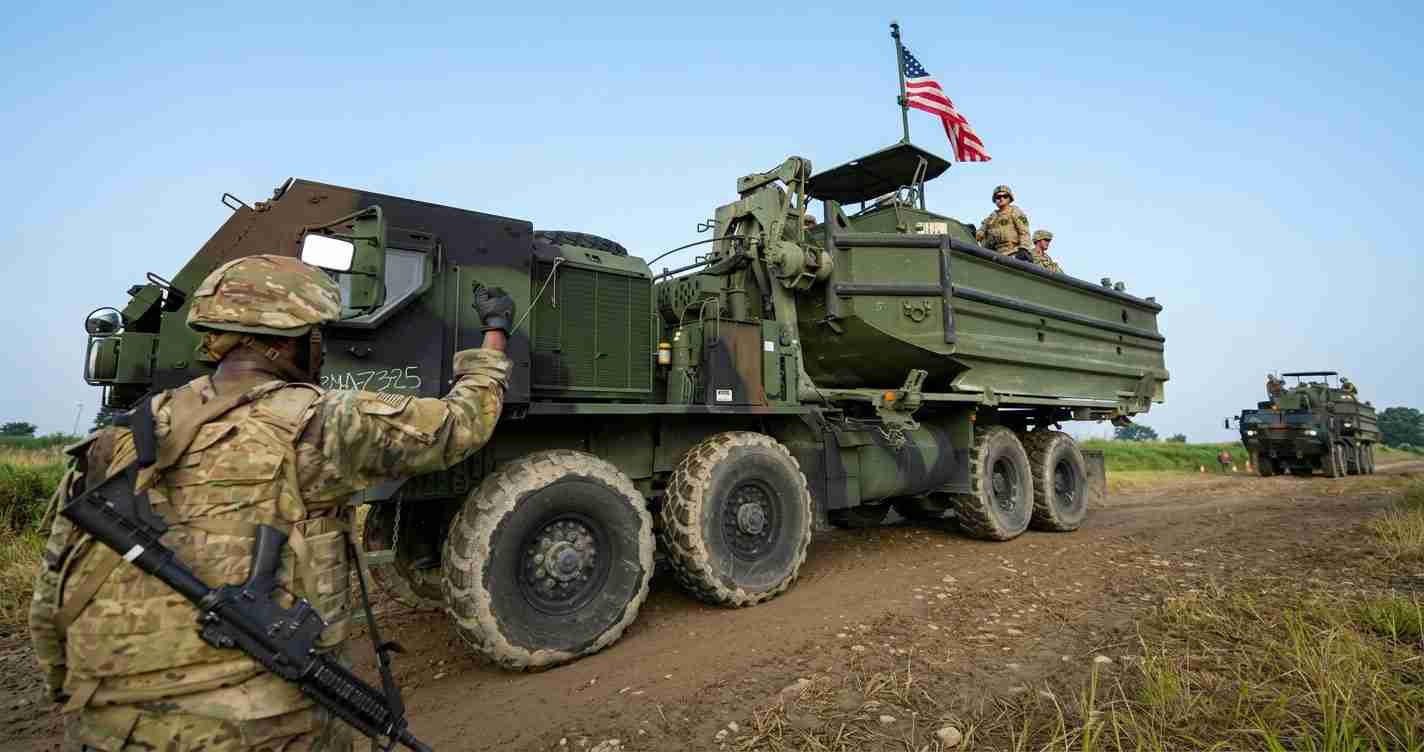
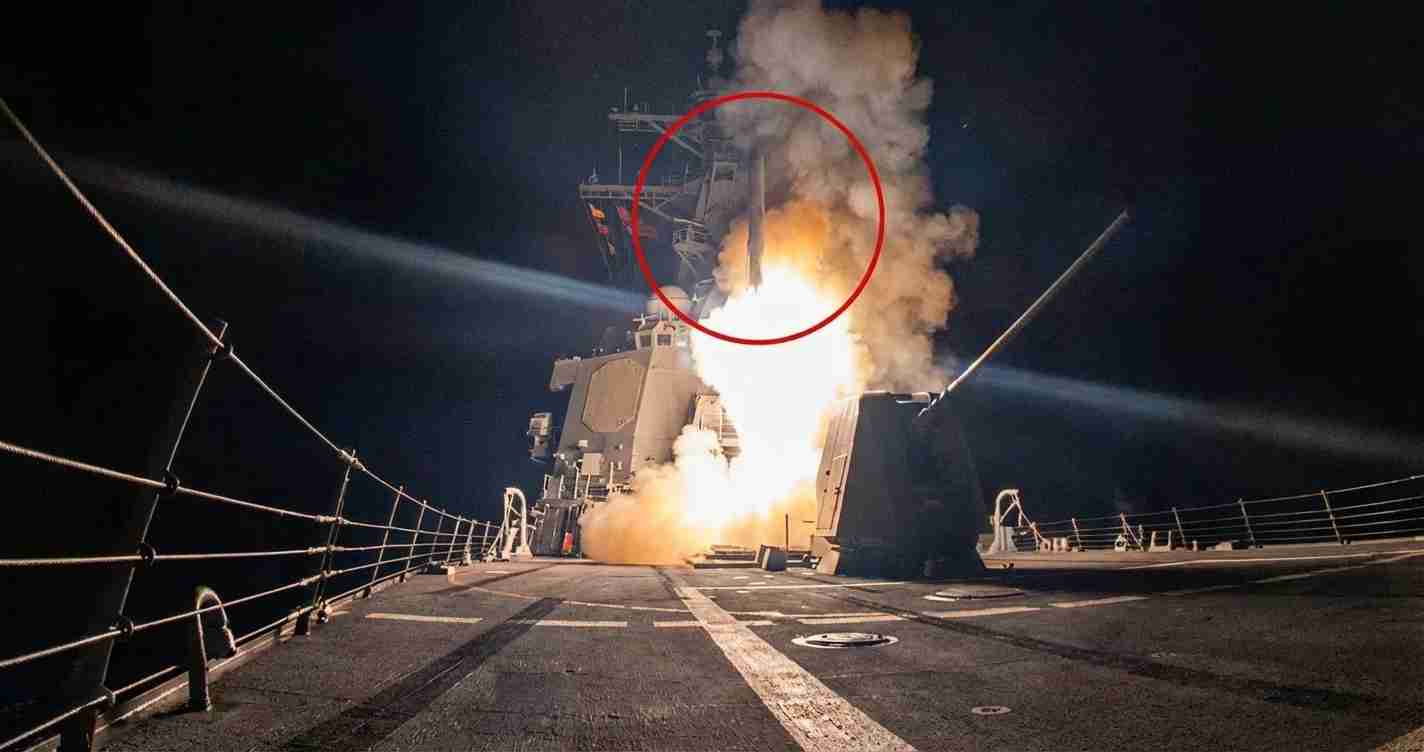
What happened: U.S. military assets conducted surprise airstrikes against several suspected ISIS-affiliated positions in northwest Nigeria on Christmas Day. Officials said the operation used U.S. intelligence to target militants accused of attacking Christian communities.
Nigeria’s federal government publicly acknowledged working with U.S. forces, praising the tactical cooperation and intelligence sharing, while cautioning against describing the campaign as singling out one religious group. Reporting for this section references public video briefings: White House video statements and regional expert analysis video.
Officials said multiple militants were killed, but open-source verification of casualty figures and exact strike sites is not yet available.
Trump’s rationale and warnings
Public message: In a recorded statement, President Trump tied the strikes to protecting Christians and said the timing was deliberate to “send a message.” He described the action as a “Christmas present” to terrorists and warned there would be “hell to pay” and “many more dead terrorists” if attacks on Christians continued.
Context: These remarks follow earlier hardline statements in which the president suggested further operations could follow and emphasized a no-mercy stance toward those labeled terrorists. Critics say linking U.S. force to religious protection risks inflaming sectarian tensions; supporters say the strikes respond to atrocities against civilians.
Nigerian government response
Abuja publicly welcomed the tactical support and intelligence cooperation but rejected the idea the strikes targeted militants solely because they attack Christians. Nigerian officials emphasized that violence in the region affects both Christians and Muslims and insisted the state’s objective is to safeguard all innocent civilians, not a single faith group.
That response underscores Abuja’s concern about domestic unity and the political consequences of appearing to favor one community amid a complex security environment.
Context of the Nigerian conflict
Violence in northwest Nigeria combines multiple threats: ISIS-affiliated extremists, local criminal “bandit” groups and long-standing governance and resource disputes. Some local Christian leaders report militants have spoken about “cleansing” areas of Christians, which prompted calls for outside help. At the same time, experts stress that weak governance, local grievances and competition over land and resources fuel much of the violence and that military action alone is unlikely to resolve those underlying problems.
Expert analysis and reactions
Voices quoted: J. Peter Pham, a former U.S. special envoy to the Sahel under the Trump administration, said the strikes demonstrate Washington’s willingness to act and could pressure Nigeria to address governance gaps that allow militants to thrive. Other analysts warn that framing strikes as protecting a particular religious group can inflame sectarian tensions and complicate diplomacy.
Within U.S. political circles, the action follows previous praise of troops after an ISIS attack in Syria and precedes planned international meetings. Critics worry the religious framing sets a precedent for selective engagement; supporters view the strikes as a justified response to atrocities against civilians.
Limitations and open questions
Publicly available materials — including presidential statements and government briefings — do not provide exhaustive detail on the number of militants killed, whether any civilians were harmed, or the exact geographic coordinates of the strikes. Independent media and international monitors had not published detailed on-the-ground verification at the time of reporting. As a result, coverage relies heavily on official U.S. and Nigerian statements and expert commentary.
Implications for Las Vegas, Nevada
Economic impact: Overseas military operations usually have limited direct effects on Las Vegas’s local economy, but higher geopolitical tensions can influence global markets, oil prices and investor confidence, which could indirectly affect tourism and gaming revenue.
Political consequences: The strikes and the president’s religious framing are likely to be discussed by Nevada’s political leaders and civic groups and could shape local debates on foreign policy and messaging.
Social effects: Las Vegas hosts diverse religious and immigrant communities, including families with ties to Nigeria. News of the strikes and attacks may heighten concern; local faith leaders and community organizations may mobilize relief or informational efforts.
Practical steps for residents: Monitor travel advisories and consular guidance, and support local nonprofit or faith-based relief efforts if organized. Public officials and community groups should prepare outreach to provide accurate information to immigrant populations.
Reporting notes and sources
This article is based on official statements and public video briefings. Primary sources referenced include President Trump and White House statements (video) and expert analysis and regional context (video). Journalists and readers should note the absence of independent on-the-ground verification of casualty counts and exact strike locations; further reporting is needed from independent outlets, Nigerian local journalists and international monitors to confirm details.
Note: All factual claims, direct quotations and sources in this report preserve the original content and linked primary video materials referenced above.