Trump set to sign $901B defense bill as Congress backs sweeping acquisition reforms and nearly 4% troop pay raise
President Donald Trump is expected to sign the fiscal 2026 National Defense Authorization Act, a bipartisan $900.6–$901 billion authorization that includes a near‑4% troop pay raise, new Ukraine and Baltic security funding, and sweeping acquisition reforms.
Key takeaways
- Authorization total: Roughly $900.6 billion to $901 billion for fiscal 2026 national defense programs.
- Troop pay: The bill authorizes a nearly 4% pay raise for service members in 2026.
- Acquisition reform: Lawmakers call it the most sweeping Pentagon acquisition overhaul in decades to speed technology fielding.
- Foreign aid and politics: New funding for Ukraine and Baltic security, plus conservative policy riders that stirred White House debate.
What’s in the bill: spending, pay and foreign aid
The fiscal 2026 NDAA authorizes roughly $900.6 billion to $901 billion for defense programs, covering operations, training, procurement and nuclear modernization at the Energy Department. The NDAA is an authorization measure; actual spending still requires separate appropriations from Congress. Read more on the bill’s passage via Breaking Defense and coverage at Politico.
Troop pay raise
One clear win for service members is the nearly 4% pay raise for 2026. Media described the increase as “nearly 4%,” intended to keep military pay competitive to support retention and recruitment in a tight labor market. The phrasing “Troop pay raise 2026” has been widely used in coverage, including reporting from Breaking Defense.
Foreign aid and posture
The NDAA provides additional support for Ukraine and bolsters security ties with Baltic states. Those provisions persisted despite White House reservations. The bill also includes language aiming to scale back certain U.S. security commitments abroad and sets limits on some European force posture decisions — measures designed to give Congress more oversight over deployments. See related reporting at The Jerusalem Post and Politico.
Defense acquisition reform: the big rework
A central theme of the NDAA is acquisition reform. Lawmakers from both parties pushed to speed how the Pentagon buys technology so the military can field new capabilities faster. Senate Armed Services Committee Chair Roger Wicker called the changes “the most sweeping upgrades to these business practices in 60 years.” For analysis of the reform package, see Breaking Defense.
“Supporters say this will help the U.S. respond faster to threats such as advanced missiles, cyber attacks and AI-enabled systems.”
Reform measures are designed to clear red tape, encourage prototype work, and give program managers more authority to partner with private firms — opening potential paths for small businesses and startups to compete for defense contracts. Analysts caution the impact depends on Pentagon implementation and whether appropriations follow through.
Conservative priorities and contested items
The NDAA enshrines several politically charged items: it codifies some Trump executive orders, rolls back certain Pentagon diversity, equity and inclusion programs, and requires the sharing of some incident video footage. Republicans hailed these as alignment with the president’s agenda; critics warned they could affect military cohesion and civil-military relations. Coverage of these contested riders appears in Politico.
How the bill moved through Congress and the president’s stance
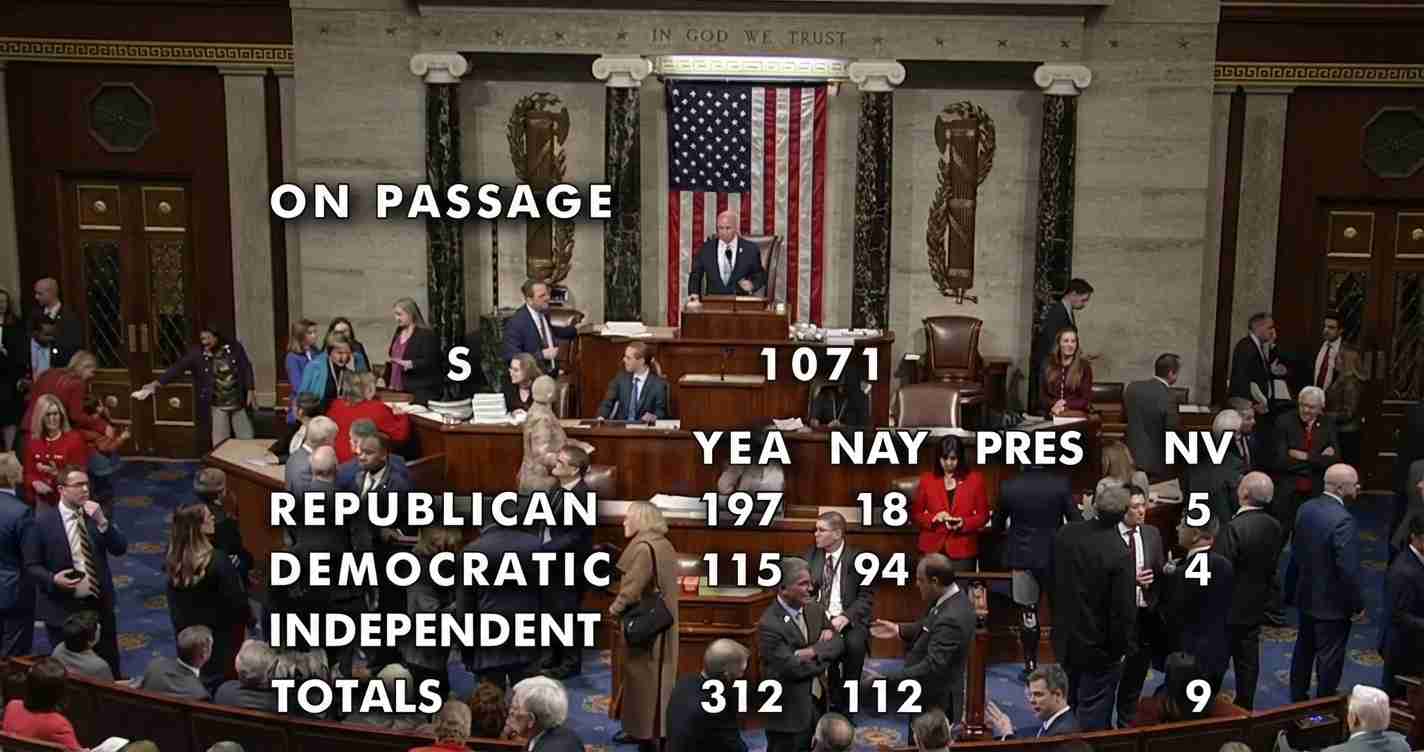
Legislative path: The House approved its version on Dec. 10, 2025; the Senate followed with a bipartisan 77–20 vote. That margin reflected support for pay raises, readiness funding and acquisition fixes. President Trump indicated he would “enthusiastically sign” the measure, despite objections from some White House advisers about its size and Ukraine aid. See reporting at Breaking Defense and Politico.
Media accounts described an expected signing rather than an immediate or secret signature; as of the latest reporting there was no independent confirmation of a completed signing. (See Breaking Defense and Politico.)
What experts and lawmakers say
Supporters contend the NDAA balances readiness spending with reforms that help the military keep pace with evolving threats, arguing acquisition changes could shave years off delivery timelines. Critics counter that policy riders — such as rolling back DEI programs or constraining alliance decisions — could harm partnerships and morale. Oversight groups and budget analysts emphasize that authorization is not appropriations; Congress must still fund the programs.
Implications for Las Vegas, Nevada
Economic impact
Las Vegas and Nevada could see benefits if acquisition reform spurs contracting opportunities. Local defense contractors, tech firms and suppliers near Nellis Air Force Base and Creech Air Force Base may gain new work from programs tied to aircraft, testing and training. However, authorization does not guarantee immediate projects — appropriations must follow for hiring to occur.
Troops and families
The nearly 4% pay raise could ease household budgets for active‑duty families in and around Las Vegas, potentially aiding retention and recruitment at local units. That boost may translate into increased local consumer spending and demand for services.
Political consequences
Nevada lawmakers will face questions on how NDAA provisions affect local priorities. Voters in urban, moderate districts may focus on concrete impacts — jobs, base support and benefits for service members — over broader foreign policy debates.
Social and cultural effects
Las Vegas has a sizeable veteran and military family population. Changes to pay, benefits and mission posture can ripple into veteran services, schools and community programs. Local nonprofits may see shifts in demand or opportunities for new federal partnerships as dollars flow through appropriations.
Practical applications
For business owners and job seekers, acquisition reform could open contracting pipelines in tech, manufacturing and logistics. Local colleges and training programs might see increased demand for graduates skilled in cybersecurity, avionics and systems engineering. Residents should track upcoming appropriations to see which projects receive funding.