Accused assassin Tyler Robinson makes first in-person court appearance in Provo as media groups press for access to sealed records
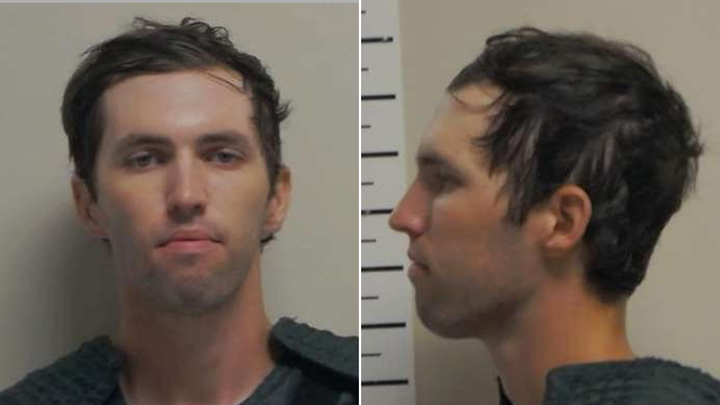
Tyler James Robinson, accused of assassinating Charlie Kirk at Utah Valley University, made his first in-person court appearance in Provo, Utah. He faces aggravated murder charges with prosecutors seeking the death penalty in a politically charged case.
- Defendant: Tyler James Robinson, 22, charged with aggravated murder and related felonies; prosecutors have notified they will seek the death penalty.
- Evidence: Authorities cite DNA on a towel and a screwdriver, plus digital communications about acquiring a rifle, scopes and engraved bullets.
- Secrecy dispute: Portions of the case record remain sealed and media organizations are pushing for greater access to materials.
- Legal stakes: Death-penalty notice triggers expanded pretrial procedures, discovery and likely high-profile disclosure battles.
First in-person appearance and the court scene
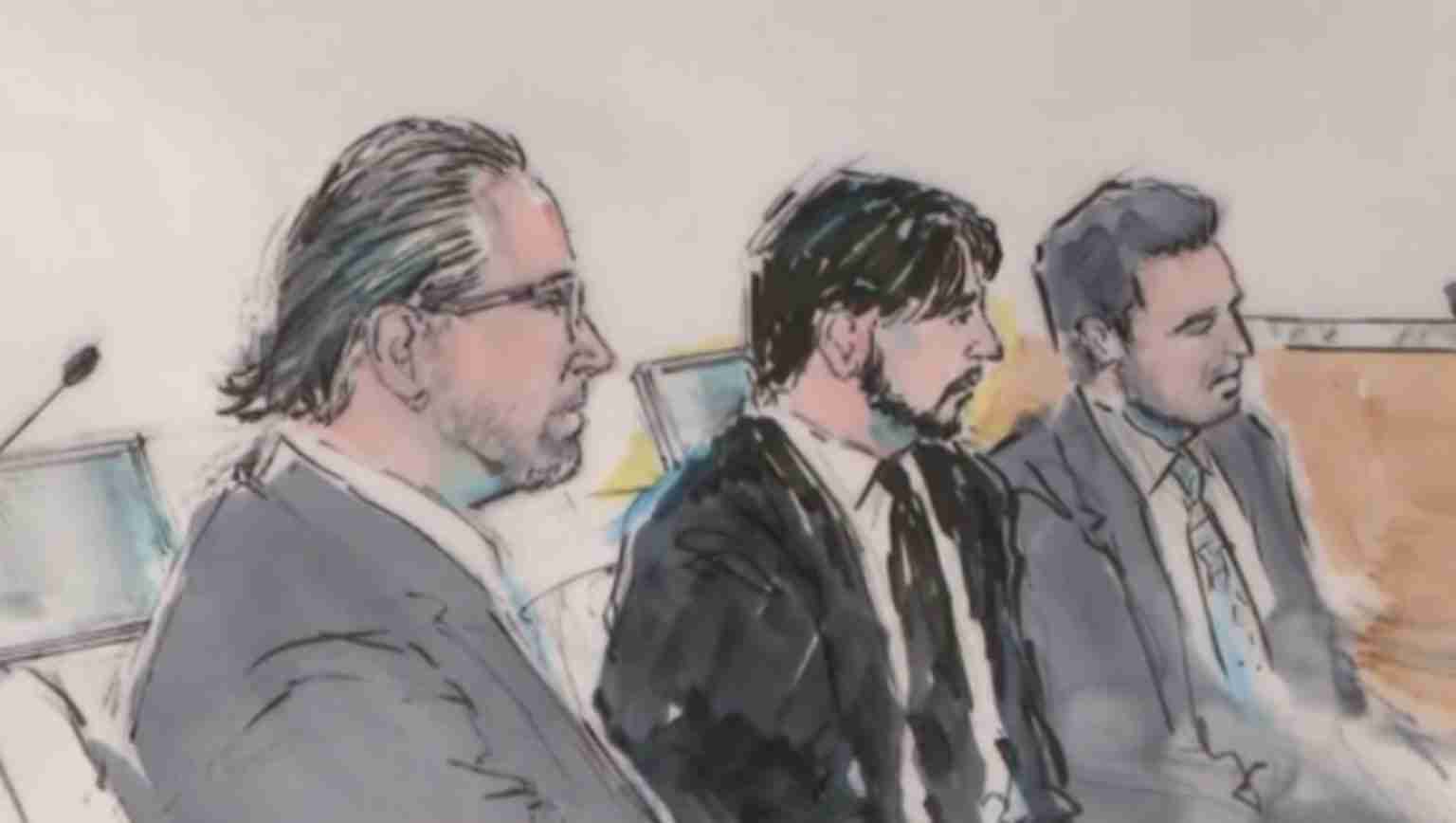
Robinson’s Dec. 11 appearance in Utah’s Fourth District Court was his first in person after earlier virtual and audio-only hearings. Court video shows him standing before the judge, handcuffed, wearing a button-up shirt and tie, and appearing mostly still while procedural matters were addressed.
Prosecutors read charges and summarized the evidence they say connects Robinson to the rooftop shooting. Observers noted the appearance’s formal tone and the courtroom’s focus on pretrial scheduling and discovery issues.
See court video and reporting: courtroom video and KUER coverage.
Prosecutors’ death penalty filing and implications
Prosecutors notified the court they will seek the death penalty, arguing the attack was politically motivated and occurred in view of children — an aggravating factor under Utah law. The filing obliges prosecutors to assemble expanded discovery and expert proof to meet capital-case standards.
“The filing of a death-penalty notice changes the pretrial calendar and raises the stakes for disclosure fights,” legal observers said.
Evidence detailed by authorities
Investigators cite a chain of physical and digital evidence: DNA from a towel wrapped around a suspected rifle and DNA on a screwdriver left on the rooftop; Discord and text messages discussing the procurement of a rifle, scopes and engraved bullets; and a cooperative roommate who provided purchase and message details.
Prosecutors contend these items, combined with surveillance and investigative work, form a coherent narrative linking Robinson to the rooftop shooting.
Sources referenced in reporting include courtroom video and a background account on the Assassination of Charlie Kirk.
Arrest and investigation timeline
Charlie Kirk was shot on Sept. 10, 2025, at Utah Valley University. Authorities launched a multi-day manhunt; Governor Spencer Cox identified Robinson as the sole suspect. Robinson surrendered peacefully on Sept. 11 after his parents recognized him in news images and arranged his surrender, reportedly via contact with a retired detective.
Robinson has been held in custody since his arrest. Prosecutors allege he planned the attack for more than a week and point to online discussions and changes in his views as part of motive evidence.
Sealed records, media access and public scrutiny
Portions of the case file remain sealed, including private electronic messages seized during the probe. That has produced public friction as local and national news organizations press for access, citing strong public interest in a politically charged campus killing.
As of Dec. 11, Times Media Service’s review found no publicly posted, signed motion from a named media coalition seeking immediate access; reporters and outlets continue to push for transparency while prosecutors and defense counsel seek protections for witnesses and the integrity of the process.
The coming weeks are likely to feature contested motions over sealed materials, balancing openness with witness safety and fair-trial concerns.
Legal stakes: death penalty in Utah
Utah permits capital punishment for certain aggravated murders. With a death-penalty notice filed, the case enters a different procedural track: expanded discovery duties, additional pretrial hearings, heightened admissibility battles and almost certain appeals if conviction leads to a capital sentence.
Defense teams commonly challenge death-penalty notices on procedural and constitutional grounds; the public debate over capital punishment’s use in politically charged crimes may intensify as the case proceeds.
Victim and family context
Charlie Kirk, founder of the conservative organization Turning Point USA, was giving a campus talk about mass shootings when he was struck. The event occurred in a public setting and, prosecutors say, endangered children and bystanders — a factor cited in seeking capital punishment.
Family statements and public tributes have circulated widely; Times Media Service did not obtain a direct, on-the-record statement from Kirk’s widow regarding sealed records at the time of this report.
Court process ahead
With the death-penalty notice filed, expect a fuller slate of pretrial motions: challenges to digital-evidence admissibility, disputes over sealed materials, jury-selection motions and venue arguments. Judges will weigh competing requests for sealed treatment against open-court principles.
Key upcoming issues include the scope of discovery, expert testimony scheduling and whether media groups will gain access to portions of the record now under seal.
Implications for Las Vegas, Nevada
Though the attack occurred in Utah, the assassination has ripple effects beyond state lines. In Las Vegas, organizers and venues that host national political speakers may face increased security costs and altered logistics for events.
Political, social and cultural impacts: Local political leaders may be asked to weigh in on safety and free-speech issues; universities and community groups may reassess safety protocols and outreach programs; media and civic forums will likely mirror national debates over transparency and security at public events.
Residents planning to attend political rallies should anticipate more visible security, stricter entry rules and possible limits on public access. News consumers seeking full details should follow court calendars and filings; some records may remain sealed pending judicial rulings.
Sources and reporting
This report draws on courtroom video, public records and local reporting. Key sources include: