New Orleans leaders decry “Operation Katahula Crunch” as wrong people swept up, mayor‑elect demands answers
New Orleans is confronting “Operation Katahula Crunch,” a federal immigration sweep launched in early December 2025 that officials say targets serious‑crime suspects but local leaders and advocates say has wrongly detained U.S. citizens and authorized workers, sparking widespread fear.
Key takeaways
- Operation scope: Federal authorities say the sweep targets people accused of serious crimes; national reporting estimates up to 5,000 potential targets.
- Large deployments: Local reports and footage describe roughly 250 federal agents operating across the metro area in coordinated teams.
- Wrongful detentions reported: Advocates and leaders say some U.S. citizens and authorized workers were briefly detained before release.
- Mayor‑elect response: Helena Moreno has demanded transparency on criteria, detention counts, and complaint processes.
Main coverage
Operation launch and scope
The Department of Homeland Security began a New Orleans–area operation called “Operation Katahula Crunch” in early December 2025. Federal officials framed the action as focused on removing undocumented immigrants accused of serious crimes, while national reporting places the operation within a coordinated wave of heightened interior enforcement in several Democratic‑led cities. National reporting put the potential target number as high as 5,000, a figure cited in local coverage and compiled clips. (Sources: WABE; AILA Daily News Clips.)
How the sweeps are being carried out
Local television footage and eyewitness accounts describe federal teams—many wearing tactical gear and masks—moving in groups through parking lots, near stores, and to gathering spots for day laborers and immigrant workers. Teams reportedly detained people at worksites, sometimes leaving personal belongings such as cars, bikes and tools behind. One eyewitness account describes a removal of an individual from a roof. For video coverage, see the local reporting video.
Reports of U.S. citizens and authorized workers detained
Community groups and civil‑rights advocates report instances where U.S. citizens and people with valid work permits were briefly detained before being released after proving lawful status. Those accounts have raised concerns about the criteria agents use in the field and whether racial or ethnic profiling influenced stops. Independent, fully verified accounts of mistreatment are still being collected.
“We have heard accounts of people stopped who are not enforcement targets. The lack of clarity is harming residents,” said local advocates documenting cases.
Helena Moreno’s response and calls for transparency
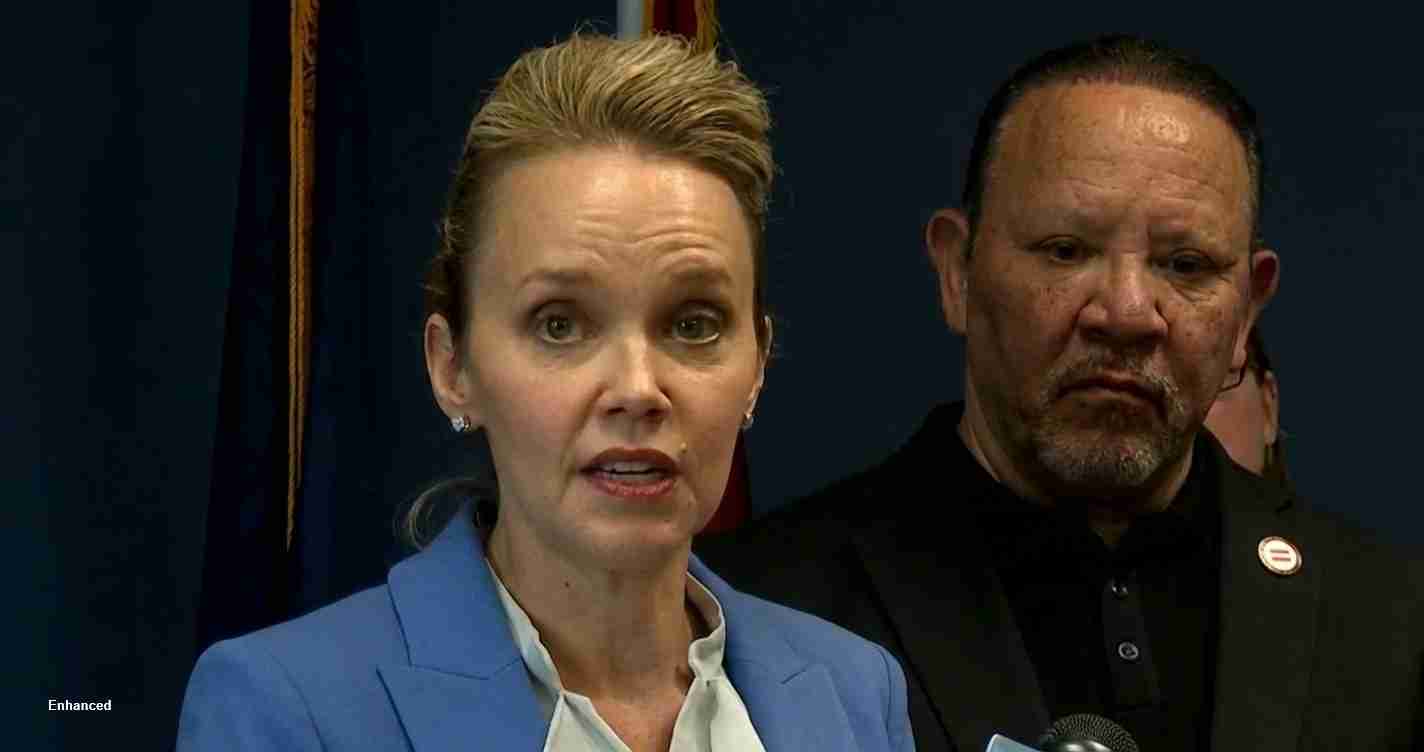
Mayor‑elect Helena Moreno has publicly demanded that federal agencies provide clear data on how many people have been detained, the criteria guiding arrests, and how complaints about wrongful detention or mistreatment will be handled. Moreno warned that fear of enforcement can create a chilling effect—deterring people from going to work, seeking city services, or reporting crimes—which in turn harms public safety and public health. (Source: WABE.)
Local and state reactions
Community leaders, faith organizations, and immigrant‑rights groups in New Orleans condemned the operation, describing stunned and fearful reactions from families who witnessed arrests in public places. Many said that broad sweeps risk disrupting workplaces and households more than removing the “worst of the worst” the federal government claims to target. At the state level, Louisiana’s governor welcomed the operation and signaled an expectation that National Guard members could be deployed to support public‑safety efforts across the state before Christmas, intensifying political division over the sweeps.
National context
Operation Katahula Crunch is part of a recent trend of high‑profile federal immigration actions in several major cities, including Los Angeles, Chicago, Memphis, Charlotte and Minneapolis. Federal authorities have expanded use of Border Patrol and other DHS components domestically and broadened enforcement priorities, which national outlets describe as a coordinated effort to intensify interior immigration enforcement. (Sources: AILA Daily News Clips.)
Implications for Las Vegas, Nevada
Although the operation is centered in New Orleans, its effects could echo in urban centers like Las Vegas. Key potential impacts include:
- Economic: Hospitality and service industries in Las Vegas could face worker shortages and schedule disruptions if immigrant workers fear leaving home.
- Political: Local leaders may face pressure to demand transparency, coordinate legal aid, or adopt policies limiting local cooperation with federal immigration enforcement.
- Social and public health: Fear can reduce reporting of crimes and avoidance of health and city services, undermining community wellbeing.
Practical applications for local leaders and residents
Local officials and organizations in Las Vegas and similar cities should consider preparedness steps: review contingency plans for workforce disruptions; publish clear guidance about residents’ rights if stopped by federal agents; expand funding for legal clinics; and work with community groups to document incidents and connect affected people with counsel. Employers should plan for contingencies and inform staff of rights and resources.
Sources and reporting notes
This article is based on reporting from: WABE; AILA Daily News Clips, Dec. 4, 2025; and local television reporting and eyewitness footage (local reporting video). Reporting is ongoing; officials have not released a comprehensive tally of arrests or a full accounting of how targets were selected. Times Media Service will continue to seek comment from DHS, local law enforcement, and community groups and report updates.