DHS disputes Adelita Grijalva’s claim that she was pushed aside, pepper‑sprayed during Tucson ICE raid
Arizona Rep. Adelita Grijalva says federal agents pushed her aside and pepper‑sprayed her while observing an ICE operation in Tucson; DHS and ICE deny targeting peaceful observers, saying force responded to assaults and perimeter breaches.
- Rep. Adelita Grijalva says she was pushed aside and pepper‑sprayed while trying to observe an ICE operation — KTVU.
- DHS/ICE say pepper spray was used only after some in the crowd allegedly assaulted officers or tried to breach the perimeter — KTVU.
- Video and witness accounts show spray deployed but available clips do not definitively show Grijalva being directly targeted — KTVU.
What happened
Local reporting documents a targeted immigration enforcement action in Tucson that drew a crowd of observers and protesters. According to multiple accounts, officers from Immigration and Customs Enforcement and Homeland Security Investigations were conducting a detention operation when a group formed outside the property.
Grijalva’s account
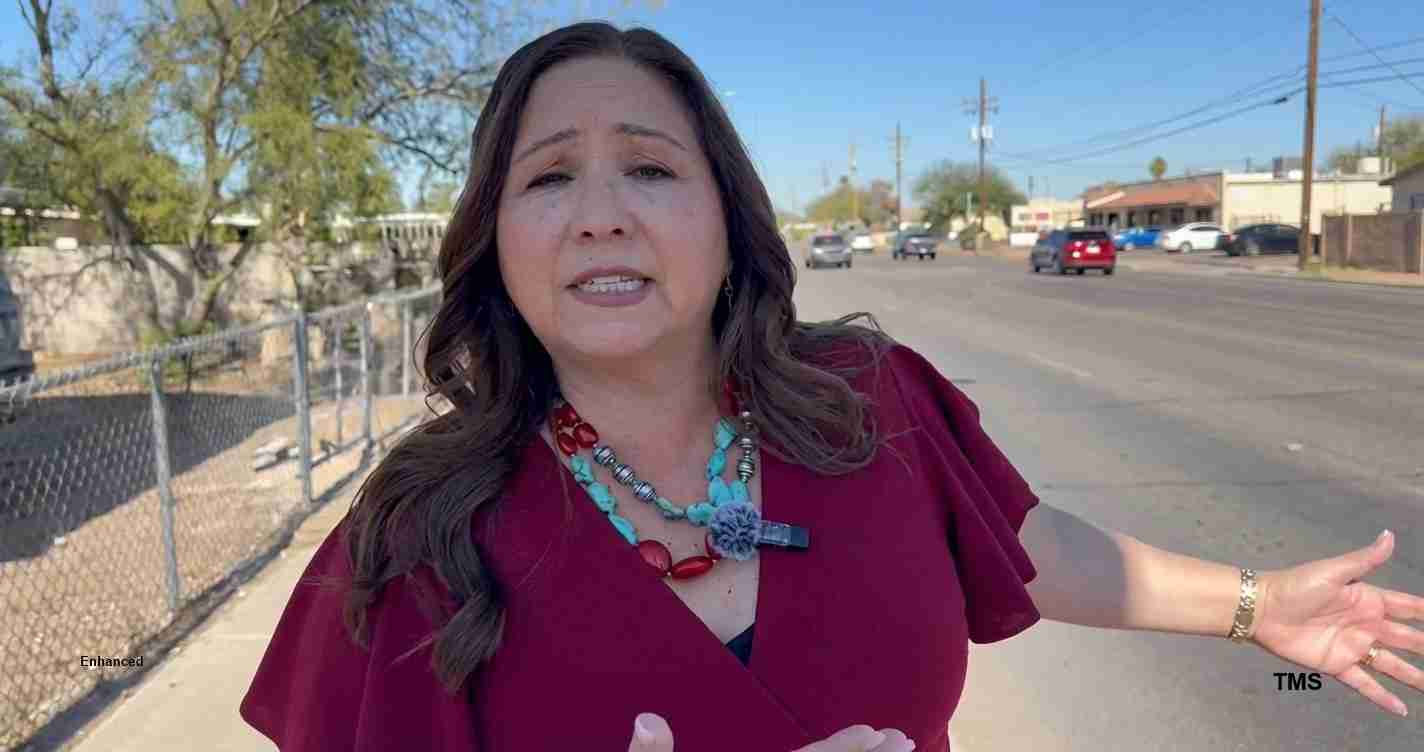
Rep. Adelita Grijalva, who represents parts of Tucson and is known for immigrant‑rights advocacy, says she arrived at the scene to observe and ask questions to protect detainees’ rights. She told reporters agents “pushed [her] aside and pepper sprayed” her during the confrontation, framing the incident as an example of excessive force and a lack of transparency.
“They pushed me aside and pepper sprayed me,” Grijalva said, according to local reports.
DHS and ICE response
The Department of Homeland Security and ICE provided a contrasting narrative, stating the operation was lawful and that officers encountered resistance. Agency statements say pepper spray was used after some people allegedly assaulted officers or attempted to breach a secure perimeter. DHS and ICE deny intentionally targeting peaceful observers and say force was used to restore safety.
Officials defended the agents’ actions as necessary and proportional, pointing to internal officer reports and logs to support their account.
Video, witnesses and evidence
Local outlets published video showing officers deploying pepper spray toward a crowd. Witnesses offer conflicting descriptions: some say bystanders and observers were affected, while others say parts of the crowd tried to breach the perimeter and assaulted officers. Publicly available clips do not conclusively show whether Grijalva was directly targeted at the moment sprays were deployed.
DHS/ICE cite officers’ internal accounts and logs; no independent inspector general report or public review has been released to settle the competing narratives.
Political and policy context
The episode has intensified criticism from Democrats and immigrant‑rights groups who argue that federal enforcement tactics remain too aggressive in border states. Grijalva and allied lawmakers are pressing for greater transparency and limits on use‑of‑force against observers and community members. DHS and ICE emphasize legal authority for operations and officer safety concerns when crowds intervene.
Legal and oversight angles
Grijalva has indicated she may file formal complaints or push for oversight. Congressional allies have discussed requests for reviews by the DHS Office of Inspector General or the Civil Rights and Civil Liberties (CRCL) office to determine whether policies were followed and civil‑rights protections respected. As of reporting, no formal disciplinary action, lawsuit, or independent investigation specific to this incident has been made public.
Points of agreement and dispute
- Agreement: an ICE/DHS enforcement action occurred in Tucson; a crowd assembled; officers used pepper spray; Grijalva was present and says she was affected.
- Dispute: whether observers were peacefully watching or actively interfering; whether chemical agents affected bystanders and elected officials; and whether use‑of‑force policies were followed.
Context from similar incidents
Comparable disputes have arisen in other border states where advocates accuse federal agents of heavy‑handed tactics while agencies cite threats to officer safety. Investigators typically seek fuller video, body‑cam footage, dispatch logs, and witness statements to judge whether use of force was within policy or part of a pattern.
Implications for Las Vegas, Nevada
Although the incident occurred in Arizona, the controversy resonates in Nevada and Las Vegas communities with large immigrant populations. Key implications include:
- Public trust: Perceptions of heavy‑handed tactics can erode trust and discourage cooperation with law enforcement.
- Local policy and politics: Nevada officials may face pressure to demand federal transparency or adopt protections for observers.
- Legal oversight: Calls for inspector general or CRCL reviews in Arizona could spur similar requests in Nevada.
- Community effects: Coverage of alleged force can heighten fear, affecting school participation, health‑care access, and crime reporting.
- Practical response: Community groups may increase documentation, training for safe observation, and coordination with elected officials for complaints.
Reporting and sources
This article draws on local reporting and public statements covered by KTVU. Additional review and records requests may clarify disputed details as officials, lawmakers and advocates seek further oversight and documentation.