
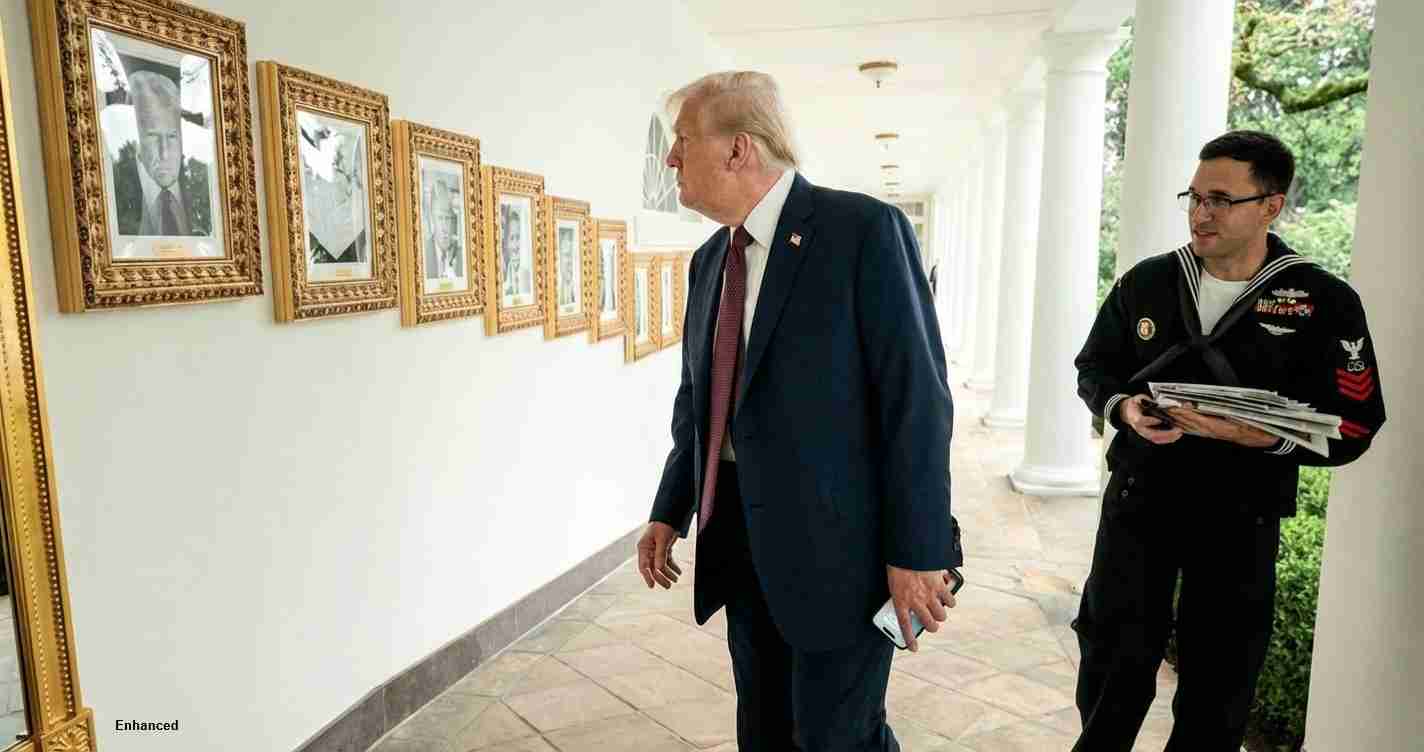
Trump orders review of Biden documents signed by autopen, threatens perjury charges
The Trump administration has launched a formal review of thousands of presidential actions issued in President Biden’s name, alleging widespread autopen use and warning witnesses could face perjury charges — raising legal challenges to late-term Biden policies.
Key takeaways
- Formal review: The Trump White House has ordered a review of actions it says were signed with an autopen, questioning their legality and authorization.
- Perjury threat: Officials warn of possible perjury charges for false testimony about who authorized autopen use or the president’s involvement.
- Congressional findings: A House Oversight report alleges aides sometimes used the autopen and obscured President Biden’s decline.
- Local impact: The review could affect federal funding, rules, and clemency decisions that matter to Las Vegas and Nevada.
Autopen use and the White House review
The Trump White House announced a formal review of thousands of documents signed in President Biden’s name, saying many appear to have been executed with an autopen. The administration argues the widespread use of the device could indicate actions taken without the president’s active, informed approval, creating constitutional and legal questions about those executive actions.
Scope and process of the review
According to the White House, the review will examine which documents were signed by autopen, who authorized that method, and whether the signatures reflect the president’s intent. Categories under scrutiny include executive orders, presidential memoranda, clemency actions, and other presidential actions issued late in the Biden administration. Officials say they will determine whether items should remain in effect, be rescinded, or be subject to legal challenge.
Congressional findings on Biden’s health and document handling
Earlier, the House Committee on Oversight and Government Reform released a staff report titled “The Biden Autopen Presidency: Decline, Delusion, and Deception in the White House.” The report alleges senior aides sometimes used the autopen and sought to hide President Biden’s decline from the public, and it flags irregularities in how certain clemency grants and commutations were handled in the final days of the administration.
Perjury threat and legal questions
The administration has warned it may pursue criminal charges if witnesses provide false testimony about who approved autopen use or about the level of Biden’s involvement. Officials say they are prepared to bring perjury charges where testimony conflicts with documents or other evidence.
“If testimony conflicts with documentary evidence, we will consider criminal referrals,” officials said, underscoring the seriousness of sworn testimony.
Legal experts note autopen use is not unprecedented for routine or ceremonial matters, but the scale and context matter. The current review alleges staff may have used the device for weighty policy moves without the president’s direction, which could undermine the lawful foundation for those actions. Judicial outcomes would likely depend on evidence of authorization and proof of the president’s intent or oversight.
What documents are under review
The White House statement identifies categories for review: executive orders, presidential memoranda, clemency grants, commutations, and other presidential actions issued late in the Biden administration. Internal records showing who drafted, routed, and approved these items will also be examined to determine authorization and intent.
How the review could unfold
Officials have not provided a detailed timeline. They say they will gather records, interview witnesses, and may seek depositions under oath. Findings of false statements during sworn testimony could prompt criminal referrals to the Department of Justice or civil actions to challenge the validity of specific policies. Expect legal fights if former officials or outside groups seek to block attempts to void past actions; courts will likely weigh autopen signatures against other evidence of presidential intent.
Political reaction and public debate
The review has intensified partisan debate. Supporters call for transparency and accountability; critics say the move is politically motivated and risk destabilizing settled policy. Republicans who backed the Oversight Committee report defend the review; Democrats urge careful, fact-based investigation and caution against criminalizing routine processes.
Implications for Las Vegas, Nevada
Local leaders and residents in Las Vegas may experience economic, political, and social consequences if federal actions affecting Nevada are rescinded or delayed as a result of the review.
Economic impact
- Federal rules, grants, and actions affecting Nevada could be re-examined or rescinded, potentially slowing funding for housing, infrastructure, or wildfire mitigation that benefit Las Vegas.
- Regulatory re-examinations could affect tourism, gaming, construction, and related industries if labor, immigration, or environmental rules are altered — creating short-term uncertainty.
Political consequences
- Nevada’s competitive politics mean local leaders and voters will closely watch how presidential capacity and document legality are framed in campaigns.
- Members of Nevada’s congressional delegation may face pressure to take positions or cooperate with record requests, raising partisan tensions.
Social effects
- If clemency or commutation decisions tied to Nevada residents are reviewed, affected families could see renewed legal or administrative action.
- Public trust in federal decision-making may be affected, especially among residents already skeptical of government transparency.
Cultural relevance
Debates about presidential fitness and autopen use may resonate in diverse Las Vegas communities, including federal workers, retirees, and veterans, prompting calls for clearer rules about presidential health and signature authority.
Practical applications for residents
- Expect possible delays in federal services or grant decisions; individuals waiting on benefits or immigration outcomes should monitor official notices and consult counsel if affected.
- Local governments and businesses should prepare for policy uncertainty by reviewing compliance plans and communicating with federal partners about which actions remain in force.



