Ghislaine Maxwell pleads the Fifth in House Oversight deposition, lawyer offers clemency swap saying Trump, Clinton cleared
Ghislaine Maxwell invoked her Fifth Amendment right during a closed-door House Oversight virtual deposition on Feb. 9, 2026, refusing to answer questions; her lawyer offered cooperation in exchange for clemency and said she has no evidence implicating Trump or Clinton.
- Maxwell pleaded the Fifth and ended the closed-door virtual deposition after under an hour, citing a pending federal petition and her constitutional right against self-incrimination.
- Attorney David Oscar Markus said Maxwell would testify only if granted clemency or a shortened sentence and asserted she has no evidence tying President Trump or former President Bill Clinton to wrongdoing.
- The Oversight probe will continue: committee leaders plan additional depositions and documentary requests as part of a bipartisan review of federal handling of the Epstein matter.
What happened at the deposition
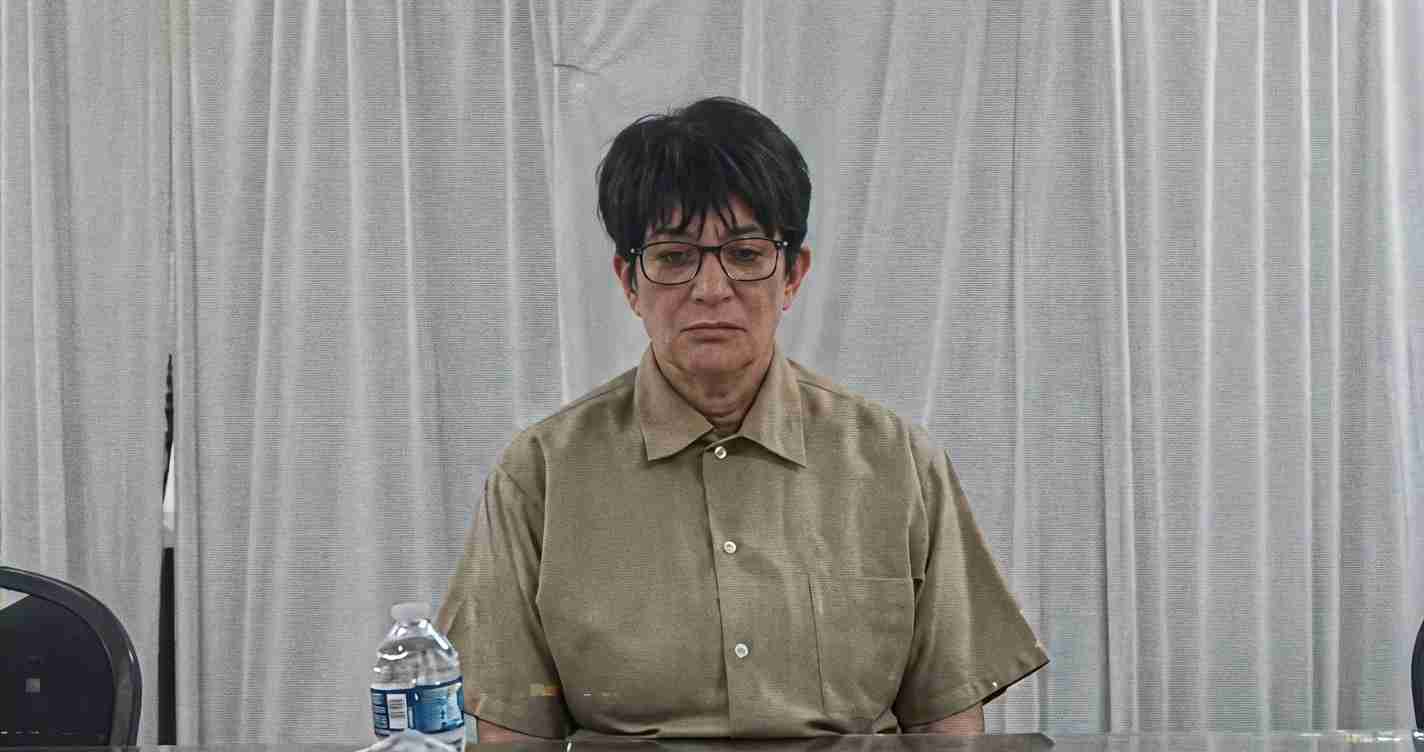
Ghislaine Maxwell, serving a 20-year sentence for sex trafficking in connection with Jeffrey Epstein, appeared virtually from a Texas prison camp after being served a congressional subpoena in July 2025. She logged on for a closed-door interview with the House Oversight Committee on Feb. 9, 2026, but declined to answer questions, invoking her Fifth Amendment rights and citing a pending petition in federal court in New York. The session lasted under an hour and ended without substantive testimony.
News outlets covering the event included ABC News and CBS News, which reported on the deposition and Maxwell’s invocation of the Fifth.
Attorney’s statement and the clemency offer
Maxwell’s counsel, David Oscar Markus, read a written statement to the committee asserting that Maxwell has no evidence linking President Donald Trump or former President Bill Clinton to any wrongdoing. Markus said Maxwell “is prepared to speak fully and honestly if granted clemency by President Trump,” and that she would answer questions only if her sentence were commuted or shortened. Markus framed the offer as a straightforward path to the “unfiltered truth,” arguing that only Maxwell can provide a complete account.
“She is prepared to speak fully and honestly if granted clemency by President Trump,” Markus said, according to media accounts.
Committee reaction and partisan split
Republicans, led by Oversight Chair Rep. James Comer, called Maxwell’s refusal “very disappointing” but said the probe will continue; Comer rejected offering immunity or any clemency-like deal, citing survivor concerns. Some Republican members highlighted Markus’s claim that Maxwell did not implicate Trump or Clinton, a point used to argue certain high-profile figures were not involved.
Democrats criticized the attorney’s public offer as a thinly veiled attempt to seek a presidential pardon. Representatives including Jasmine Crockett and Robert Garcia said Maxwell showed “no remorse” and raised questions about her custody treatment and recent transfers. Democrats described the appearance as potentially an effort to barter information for leniency.
Bipartisan probe: scope and next steps
The House Oversight Committee’s inquiry is a bipartisan review into how federal agencies handled the Epstein cases and whether officials acted improperly. The committee has subpoenaed former Justice Department and FBI officials, as well as associates and estate managers tied to Epstein. Committee leaders said more depositions are planned, including interviews with figures tied to Epstein’s finances and operations, and scheduled interviews with Bill and Hillary Clinton later in February, according to reporting by ABC News and CBS News.
Congress also enacted the Epstein Files Transparency Act in November 2025, which released Justice Department records referencing Maxwell and is part of efforts to bring more documents into the public record.
Legal context and what pleading the Fifth means here
Invoking the Fifth Amendment allows a witness to refuse to answer questions that could be self-incriminating. That constitutional protection does not by itself indicate guilt or innocence. Maxwell’s decision to plead the Fifth in a closed-door congressional interview prevents lawmakers from obtaining new testimony from her unless legal circumstances change. Prosecutors in other jurisdictions or civil plaintiffs may still pursue charges or claims based on existing evidence.
Markus’s public offer to trade testimony for clemency raises questions about incentives and accountability; Democrats called it a political ploy, while some Republicans pointed to Markus’s assertion that Maxwell did not implicate Trump or Clinton. Those claims originate with Maxwell’s attorney and have not been independently verified by this news organization.
Why this matters to the public
The Maxwell appearance was expected to be a potentially revealing moment for the Oversight probe. Instead, it highlighted limits on congressional fact-finding when a witness declines to testify. Survivors of Epstein’s trafficking and members of the public seeking accountability reacted strongly. Lawmakers must now rely on documents, subpoenas and additional testimony to fill gaps in the record.
The dispute over whether clemency could or should be used to elicit testimony adds a political layer to an already fraught investigation, complicating questions of justice, incentives and public trust.
Implications for Las Vegas, Nevada
Economic impact
Las Vegas has business and charitable ties to national donors, public figures and legal firms. A prolonged federal probe into Epstein’s network could affect local attorneys, private investigators and compliance firms that handle sensitive reviews. If released records name Nevada-based contacts or financial ties, local businesses serving high-net-worth clients could face greater scrutiny, with potential knock-on effects for tourism marketing tied to conferences and donor events.
Political consequences
Investigative developments or high-profile testimony could be used in local campaigns in Nevada, where voters pay attention to national ethics issues. Urban moderate voters in Las Vegas may press local representatives for transparency. If Nevada officials or donors appear in released documents, the story could surface in state and municipal races.
Social effects and cultural relevance
Survivor advocacy groups in Nevada, including those in Las Vegas, monitor national developments for lessons in trauma-informed response and survivor support. A brief deposition that yielded no testimony may spur renewed calls for better services, reporting mechanisms and victim protections. The public debate over privilege, accountability and clemency resonates in a city where tourism, celebrity and nightlife intersect.
Practical applications for residents
For Las Vegas residents, immediate effects are indirect, but anticipate more document releases and hearings that could name additional people and entities. Those developments may prompt local news coverage, demands for transparency from Nevada’s congressional delegation, and policy pushes by community organizations seeking better victim services.
Sources and reporting notes
This report draws on coverage of the deposition and committee reactions from multiple outlets. For original reporting and details see:
This article reports statements made to the House Oversight Committee and public comments from legal counsel and lawmakers. Claims that President Donald Trump or former President Bill Clinton were or were not involved in wrongdoing are attributed to Maxwell’s attorney and to statements from Republican members, and have not been independently verified by this news organization.