Rahmanullah Lakanwal National Guard shooter had decade of ties to U.S. forces and CIA in Afghanistan, officials say
Rahmanullah Lakanwal, 29, an Afghan evacuee with a decade of ties to U.S. special forces and a CIA-backed partner force, is in custody after a November 26, 2025, shooting near the White House now probed as possible international terrorism.
- Suspect: Rahmanullah Lakanwal (also reported as Rahmatullah Lakanwal), 29, Afghan national, in custody after the November 26 shooting near the White House.
- U.S. ties: Worked with U.S. special forces and, officials say, a CIA-backed Kandahar partner force.
- Immigration status: Evacuated in 2021, sought asylum in December 2024, granted protected status in April 2025.
- Investigation: FBI treating the attack as a potential act of international terrorism; motive and foreign contacts under review.
Background: who is Rahmanullah Lakanwal?
Law enforcement officials and U.S. agency statements say Lakanwal served in Afghan security forces for roughly a decade and worked closely with American troops in parts of southern Afghanistan. He is described as a logistics coordinator and a member of a CIA-backed partner unit that operated alongside U.S. special operations forces in Kandahar and Helmand provinces.
Officials, citing public remarks relayed to reporters, say CIA Director John Ratcliffe described Lakanwal as a vetted, badged member of a Kandahar partner force — reported in some accounts as the Kandahar Strike Force (KSF) — operating out of Firebase GECKO. Those sources indicate he held an E-5 equivalent rank and had endorsements from U.S. service members he assisted in combat.
Work with U.S. forces and contractors
According to officials and reporting, Lakanwal’s role included logistics and supply runs for U.S. special forces in volatile districts of Helmand and Kandahar. He also worked for a U.S. contractor during the final years of the war, moving supplies and coordinating missions. Multiple accounts say he aided American Marines in 2019 and that four Marines later provided positive endorsements about his conduct under fire.
“Endorsements from U.S. troops and contractors were central to how Lakanwal was processed for evacuation and later asylum,” advocates and officials noted.
Arrival, vetting and immigration status
Lakanwal was evacuated to the United States in September 2021 amid the chaotic U.S. withdrawal from Afghanistan. He lived in Alexandria, Virginia, where neighbors described him as quiet and increasingly withdrawn in the months before the attack.
Federal officials say he filed for asylum in December 2024. His case underwent interagency vetting that included biometric checks and interviews. Officials told reporters his asylum claim was approved in April 2025 and that he received protected status and a work permit. Authorities emphasize the Afghan evacuee vetting process involved multiple agencies, though the depth and timing of checks are now part of public debate.
The shooting and immediate response
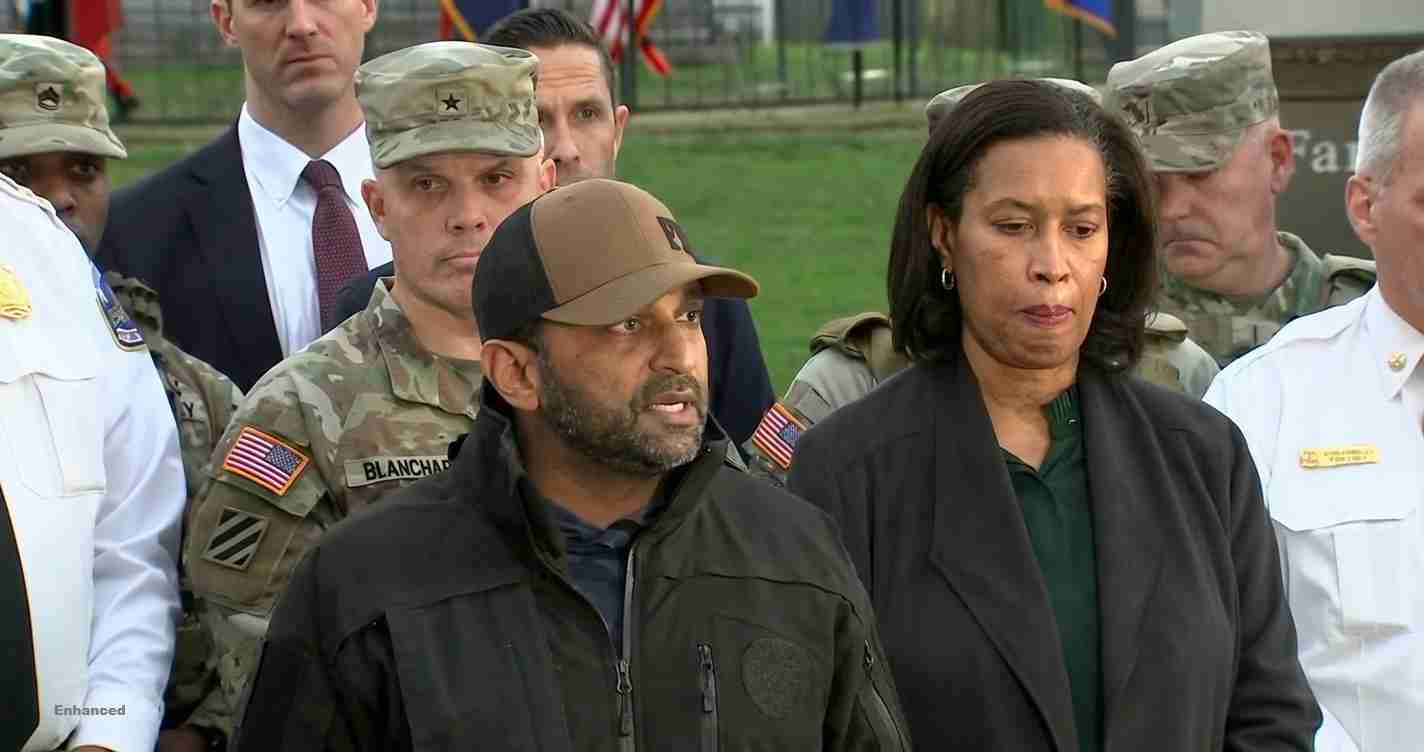
On November 26, 2025, just blocks from the White House and near a downtown metro station, two National Guard soldiers were shot and critically wounded. Police quickly took the suspect into custody at the scene. The FBI announced it would treat the incident as a potential act of international terrorism and has led the multiagency investigation into the suspect’s background, motive and any possible foreign connections.
President Donald Trump publicly condemned the attack, calling it “a heinous assault,” an “act of evil and an act of hatred and an act of terror,” and saying it was “a crime against our entire nation” and “a crime against humanity.”
Social media, behavior and possible motives
Investigators say Lakanwal had no known criminal record in the United States. They are examining his social media posts and contacts for signs of radicalization or ties to extremist groups. Neighbors reported he grew more withdrawn over the summer of 2025. Investigators noted that Lakanwal’s now-deleted X account included anti-Western posts and shares of Taliban propaganda, according to law enforcement sources.
As of November 27, 2025, FBI officials said they had not established any definitive operational links between Lakanwal and an international terrorist organization. The inquiry remains active, with agents reviewing travel records, communications and any overseas contacts.
Official statements and source attributions
Federal agencies commenting on the case have referenced Lakanwal’s work with U.S. military units and CIA-supported partner forces. Statements relayed to reporters cite CIA Director John Ratcliffe and other officials noting the suspect’s membership in the Kandahar partner force and his vetted status. The FBI announced it is investigating the shooting as a possible international terrorism case, and the White House issued formal condemnations.
Broader context: vetting, resettlement and political fallout
The case has reignited debate over U.S. evacuation and resettlement practices for Afghan allies. Groups such as No One Left Behind and Veterans for Afghan Allies have advocated protections for interpreters and others who aided U.S. forces, noting that endorsements from U.S. troops and contractors are key evidence in resettlement claims.
High-profile incidents like this shooting also fuel calls for tougher vetting and oversight of evacuees. Lawmakers and security officials face pressure to explain how someone with reported ties to U.S. agencies could carry out an attack on U.S. service members. The investigation’s outcomes will influence Congressional debates and state policies on future evacuation screening standards.
Implications for Las Vegas, Nevada
- Security and Guard readiness: Nevada National Guard leaders may review training and protective measures for soldiers on federal and local assignments.
- Refugee and ally communities: Afghan Americans and aid organizations in Las Vegas may experience increased scrutiny and community anxiety; outreach and support efforts could expand.
- Political and policy debates: The case could affect local discussions on immigration policy, vetting practices, and collaboration with federal resettlement programs.
- Public safety and tourism: Authorities may increase coordination with federal partners to reassure residents and visitors and monitor risks to public events.
- Practical effects: For most residents, impact may be limited to heightened news coverage and debate, though Afghan community members could face added questioning from landlords, employers or service providers.
Sources
- Times of Israel
- Times of India
- KOMO News
- Ariana News
- FBI news and statements
- White House statements and remarks
- Central Intelligence Agency (general)
Reporting note: This article synthesizes statements and reporting from federal officials and the outlets listed above. The investigation into the November 26 shooting is ongoing. Authorities continue to review evidence to determine motive and whether any international extremist group was involved.