Over 41,000 Bottles Pulled in Walgreens Nasal Spray Recall Over Pseudomonas lactis Contamination Risk
Walgreens recalled over 41,000 bottles of its 1.5-ounce Saline Nasal Spray with Xylitol after tests indicated possible contamination with Pseudomonas lactis. Consumers should stop using affected lots and return bottles to Walgreens for a refund immediately.
- Product: Walgreens Saline Nasal Spray with Xylitol, 1.5-ounce (NDC 0363-3114-01)
- Impacted lot numbers: lot numbers 71409 (expires 02/28/2027) and 71861 (expires 08/31/2027)
- Total recalled: 41,328 nationwide
- Reason & action: Possible contamination with Pseudomonas lactis; stop use and return to any Walgreens for a refund
What was recalled and where it was sold
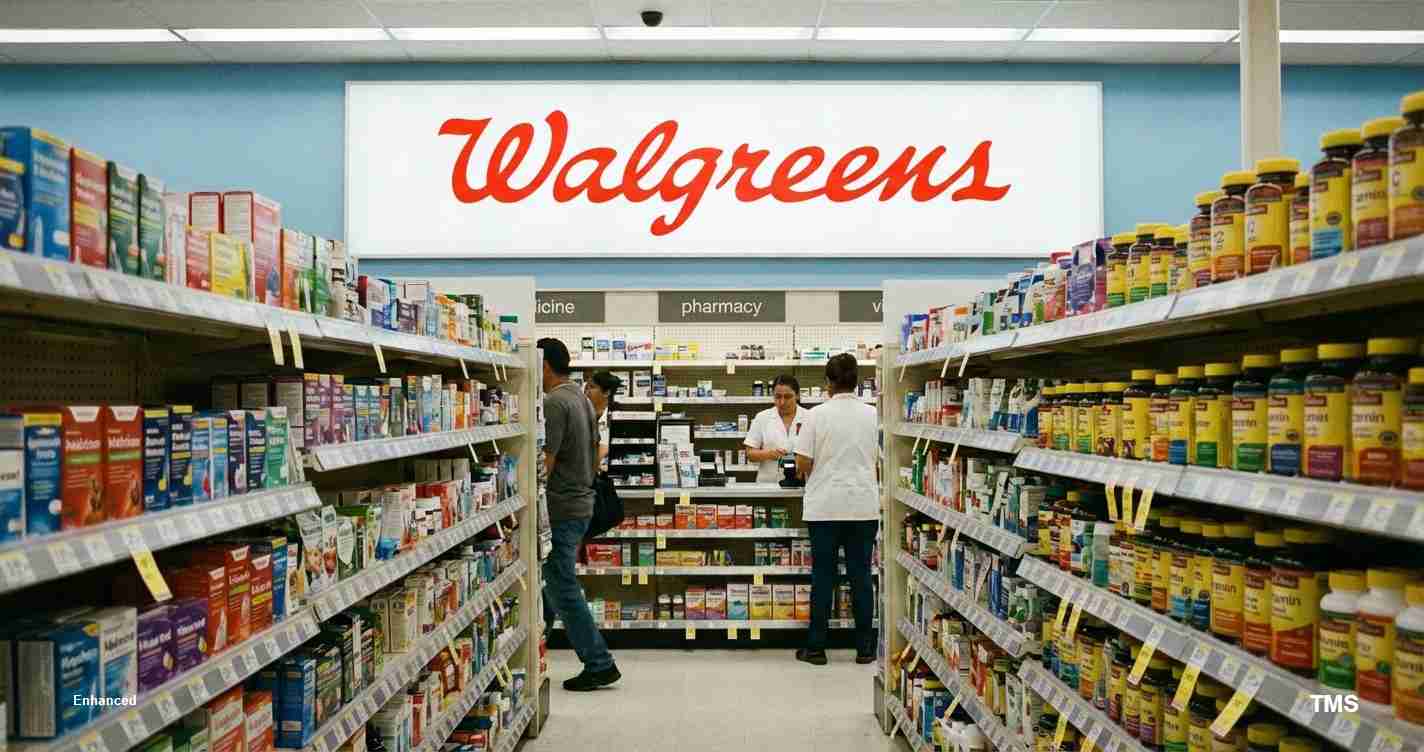
Walgreens is the retail source for the recalled saline spray sold at stores across the United States. The recall applies specifically to 1.5-ounce bottles of Walgreens Saline Nasal Spray with Xylitol identified by NDC 0363-3114-01 and the impacted lot numbers 71409 and 71861. Reporting indicates a total of 41,328 bottles are included in the recall.
Why officials recalled the product
Samples tested positive for the bacterium Pseudomonas lactis, an organism more commonly associated with spoilage in dairy products but that can pose a risk if introduced into products used near the nose and airways. The supplier initiated a voluntary recall under FDA guidance; the Food and Drug Administration classified the action as a Class II recall, indicating moderate risk of temporary or medically reversible adverse health consequences (Scripps News).
“The recall was voluntary and follows FDA guidance; it is intended to remove potentially contaminated product from circulation and limit exposure.”
Health risks and what is known so far
Authorities advise that the risk to most healthy consumers is low. However, people with weakened immune systems, chronic respiratory conditions, or other serious health issues may be more vulnerable to infection or irritation after using an affected bottle (Taunton municipal notice).
As of reporting, no confirmed illnesses or outbreaks have been publicly tied to these bottles (Fox Business; Scripps News). Officials have not released a specific root cause or whether manufacturing, packaging, or storage were responsible (My Paris Texas).
FDA classification explained
A Class II designation from the FDA means the recalled product could cause temporary or medically reversible adverse health consequences, or where the probability of serious adverse health consequences is remote. The label helps consumers and clinicians gauge urgency; it does not quantify the likelihood that anyone will become ill (Scripps News).
What consumers should do now
If you possess a bottle marked lot 71409 or lot 71861, stop using it immediately and return it to any Walgreens for a full refund. For return details and guidance, consult the retailer or the municipal notice (Taunton notice).
Consumers with questions should contact Walgreens customer service or speak with their healthcare provider if they are concerned about exposure or symptoms. Seek prompt medical attention if you develop unusual nasal irritation, increased congestion, fever, or signs of infection after using an affected product (Scripps News).
Investigative notes: what remains unclear
Reporting shows no confirmed illnesses to date and public authorities have not detailed how Pseudomonas lactis entered the product. Open questions include whether contamination was limited to particular production runs, whether sampling was routine or complaint-driven, and whether corrective manufacturing or quality-control steps are underway.
Reporting sources and official notices
This article summarizes reporting and public notices from multiple outlets and local government sources describing the recall and recommended actions:
- My Paris Texas — Walgreens Saline Nasal Spray with Xylitol recalled due to contamination
- Scripps News — Nasal spray recalled over contamination concerns
- Fox Business — Over 41K Walgreens nasal spray recalled over contamination risk
- Taunton, MA municipal notice — Civic Alert with product and return details
Implications for Las Vegas, Nevada
Economic impact: Walgreens operates many stores across Las Vegas and southern Nevada. Returns and refunds will require staff time and inventory checks; pharmacies may temporarily remove affected lots from shelves, potentially causing short supply gaps for this specific product.
Political and regulatory consequences: Local public-health officials and Nevada regulators monitor recalls closely, especially during cold and flu season. The event may trigger local inspections, inquiries about supplier practices, and interest from lawmakers focused on consumer safety.
Social effects and public behavior: Residents who rely on over-the-counter saline may seek alternative saline rinses or homemade solutions, or consult urgent care and primary care clinics. For people with chronic lung disease, the recall could change short-term care decisions.
Cultural relevance: In a tourism-driven city with many high-contact jobs, quick symptom relief is important. Concerns about contaminated nasal sprays may increase demand for safe alternatives from clinics, employers, and community health centers.
Practical advice for Las Vegas residents: Check medicine cabinets for 1.5-ounce Walgreens Saline Nasal Spray with Xylitol and the lot numbers 71409 or 71861. If you find an affected bottle, stop using it and return it to any Walgreens for a refund (return details). Immunocompromised people and those with chronic lung disease should consult healthcare providers before switching products and seek care if symptoms develop.
Sources and further reading
- My Paris Texas — Walgreens Saline Nasal Spray with Xylitol recalled due to contamination
- Scripps News — Nasal spray recalled over contamination concerns
- Fox Business — Over 41K Walgreens nasal spray recalled over contamination risk
- Taunton, MA municipal notice — Civic Alert with product and return details
Reporting is based on product notices and media coverage; the recall was initiated by the supplier under FDA guidance and remains a voluntary action as described in cited sources.