
Trump administration bars five Europeans, including Thierry Breton, in escalation over extraterritorial censorship
In a dramatic escalation of transatlantic tensions, the Trump administration on December 23, 2025, imposed visa bans on five prominent Europeans, including former EU Commissioner Thierry Breton, for alleged extraterritorial online censorship of U.S.-protected speech.
Key takeaways
- Visa restrictions: The U.S. State Department announced Dec. 23 visa bans on five Europeans accused of pressuring U.S. platforms to suppress speech protected under U.S. law.
- Named individuals: Former EU Commissioner Thierry Breton, Imran Ahmed (CCDH), Clare Melford (GDI), and Josephine Ballon and Anna‑Lena von Hodenberg (HateAid) were identified.
- Policy basis: The move cites a May 2025 visa policy barring entry to those who coerce U.S. platforms into censoring American speakers.
- Global impact: The action provokes European condemnation and raises commercial and social concerns — notably for hubs like Las Vegas that rely on cross‑Atlantic tech, events and advertising.
What happened
On Dec. 23, the U.S. State Department announced visa restrictions barring five Europeans from entering the United States, accusing them of pressuring American platforms to remove or suppress speech protected under U.S. law. U.S. officials framed the move as a defense of free expression and tied it to a May 2025 visa policy aimed at people “responsible for censorship.” Coverage of the announcement appeared in Le Figaro, Euronews and Le Monde.
Who the five are and why they were named
Thierry Breton: Breton served as EU Commissioner for the Internal Market from 2019 to 2024 and is widely seen as a chief architect of the European Digital Services Act (DSA). U.S. officials pointed to public warnings he made to social platforms — notably a letter to Elon Musk in August 2024 — as crossing into attempts to influence U.S. platforms’ treatment of American speech. Breton called the ban “McCarthy’s witch hunt” and stressed the DSA was approved unanimously by the European Parliament and all 27 EU states (Le Figaro; Le Monde).
Imran Ahmed: The British CEO of the Center for Countering Digital Hate (CCDH) has led campaigns pressuring platforms to limit harmful content. U.S. officials accused him of organized efforts to get U.S. platforms to remove or demonetize American speech; CCDH’s transatlantic operations were noted as blurring the line between moderation and coercion (Euronews; Le Monde).
Clare Melford: Head of the Global Disinformation Index (GDI), which rates media sites to identify disinformation. U.S. officials said such rating systems can be used to pressure platforms and advertisers to restrict content (Euronews; Le Monde).
Josephine Ballon and Anna‑Lena von Hodenberg: Co‑founders and leaders at HateAid, a Germany‑based NGO that assists people targeted by online hate and pushes platforms to strengthen moderation. U.S. officials accused them of participating in cross‑border efforts that amount to coercion of U.S. platforms (Le Figaro; Euronews).
U.S. rationale, statements and policy background
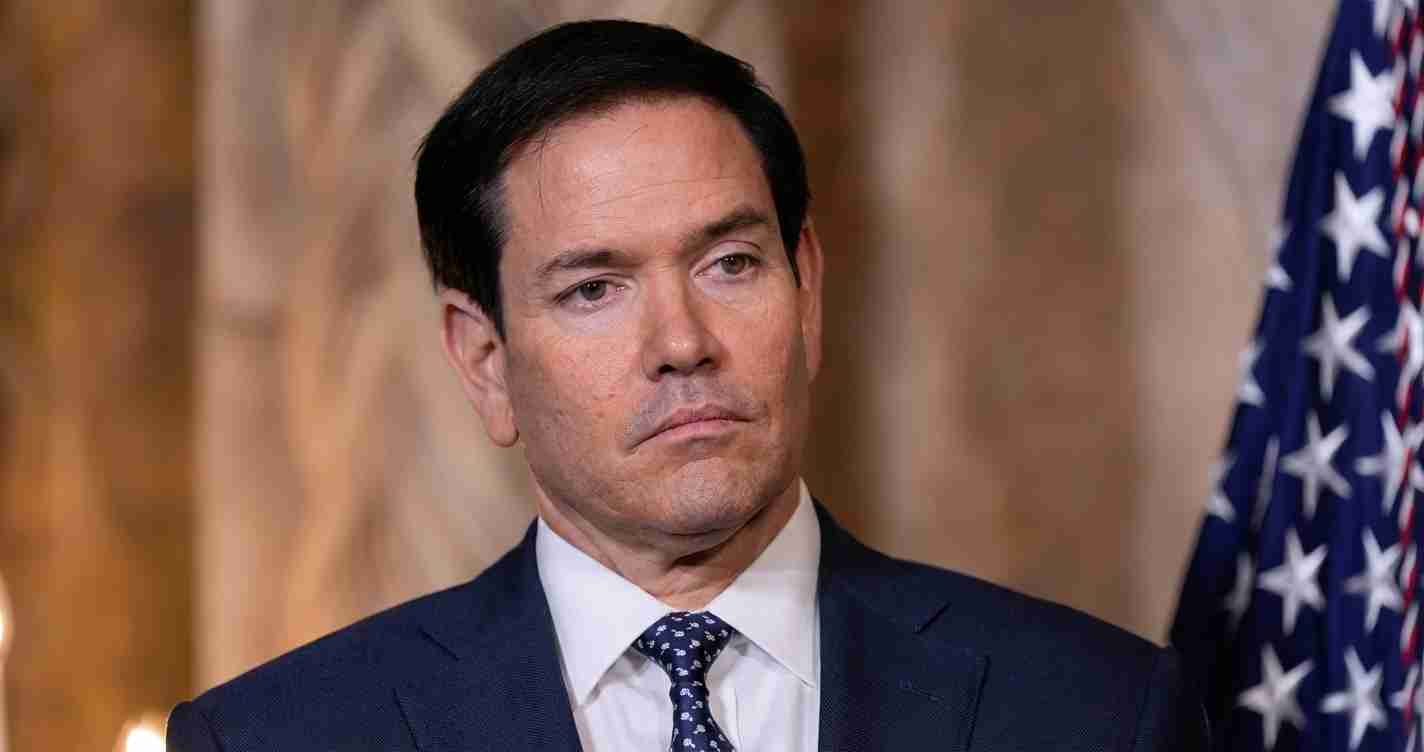
Senator and Secretary of State Marco Rubio and Under Secretary Sarah Rogers framed the move as a defense of American free speech. Rubio said the five “led organised efforts to coerce American platforms” and accused them of advancing “censorship crackdowns by foreign states targeting American speakers and companies,” warning of a so‑called “global censorship industrial complex.” Rogers named the individuals on social media and in a State Department communiqué that cited the May 2025 visa policy. The action builds on earlier Trump administration moves in 2025, including visa restrictions introduced in May and a State Department memo tightening H‑1B visas for content moderators (Le Figaro; Le Monde).
What the Digital Services Act is — and why Breton is central
The Digital Services Act (DSA) is the EU’s sweeping law setting responsibilities for online platforms, including removal rules for illegal content and transparency obligations for large services. Breton helped shape and champion the DSA while European Commissioner. European officials emphasize the DSA applies to services operating in Europe and is not intended to regulate American speech abroad; U.S. officials argue DSA‑linked warnings and enforcement can produce extraterritorial effects by pressuring U.S. platforms to change practices globally (Le Monde; Le Figaro).
European and NGO reactions
France’s foreign minister Jean‑Noël Barrot strongly condemned the moves, saying Europe is “free and sovereign” and cannot accept external pressure on its digital rules; he spoke with Breton by phone after the announcement. The European Commission has previously described similar U.S. claims as “nonsense.” Breton compared the bans to a historical “witch hunt.” The NGOs named rejected the accusations and defended their work as aimed at curbing disinformation and online harm (Le Figaro; Euronews).
Questions raised and disputes about evidence
The announcement did not include publicly released detailed evidence tying the five individuals to specific coercive acts. Media summaries cite the State Department’s rationale, statements by Rubio and Rogers, and earlier public letters and campaigns by the named figures. European critics warn the move risks politicizing tech policy and chilling legitimate debate; U.S. supporters say the bans protect First Amendment rights from foreign pressure (Le Figaro; Le Monde).
Implications for Las Vegas, Nevada
Economic impact: Las Vegas’ tech and hospitality sectors — including conferences and business travel — could be affected if European regulators or NGOs limit cooperation or cross‑Atlantic participation changes. Local startups tied to European labs or ad markets may face indirect effects if platforms alter moderation or advertising rules in response to diplomatic friction (Le Figaro; Euronews).
Political consequences: Nevada, a swing state with a large urban moderate base in Las Vegas, may see local leaders pressured to balance protection of free speech with addressing online harms like harassment and fraud. The episode could prompt state-level guidance for platforms or calls for federal clarity on how platform rules intersect with U.S. foreign policy (Le Monde).
Social and cultural effects: Las Vegas communities — including immigrant groups and service workers — rely on social media for organizing and finding work. Shifts in moderation or platform policies stemming from international pressure could change local outreach and advertising dynamics. Hotels, entertainment firms and small businesses dependent on targeted ads and influencer marketing may need to adjust strategies if algorithms or policies shift (Le Figaro; Euronews).
What Las Vegas residents and leaders can watch for next
- Any U.S. release of evidence or further State Department guidance explaining how the May 2025 visa policy will be applied (Le Figaro).
- European government responses or reciprocal measures that could affect travel, business visas, or regulatory cooperation (Euronews).
- Changes in platform moderation driven by legal pressure or diplomatic fallout that might shift content seen by Nevada audiences (Le Monde).
Sources
Reporting based on coverage in Le Figaro, Euronews and Le Monde.
“The five led organised efforts to coerce American platforms,” — statement attributed to Senator Marco Rubio as cited in U.S. officials’ commentary on the sanctions.
Note: All factual details, names and source URLs in this article have been preserved from the original reporting.



